
Opening branch overview
Building the branch home surface
Loading branch highlights, featured unit context, and gallery moments.
Overview
Members
Units
Building the branch home surface
Loading branch highlights, featured unit context, and gallery moments.
Building the branch units surface
Loading unit filters, rankings, and the branch unit grid.

3 members•1 unit
Relive and share the memories of your service-time with your brothers and sisters in arms today. VetFriends.com can help you reconnect.
Did you proudly serve in the NAWC china lake, ca.?
Are you looking for someone who is or was in the NAWC china lake, ca.?
Do you have NAWC china lake, ca. photos you'd like to share?
Then join a community with your brothers and sisters of the NAWC china lake, ca..
Branch
U.S. Navy
Members
3
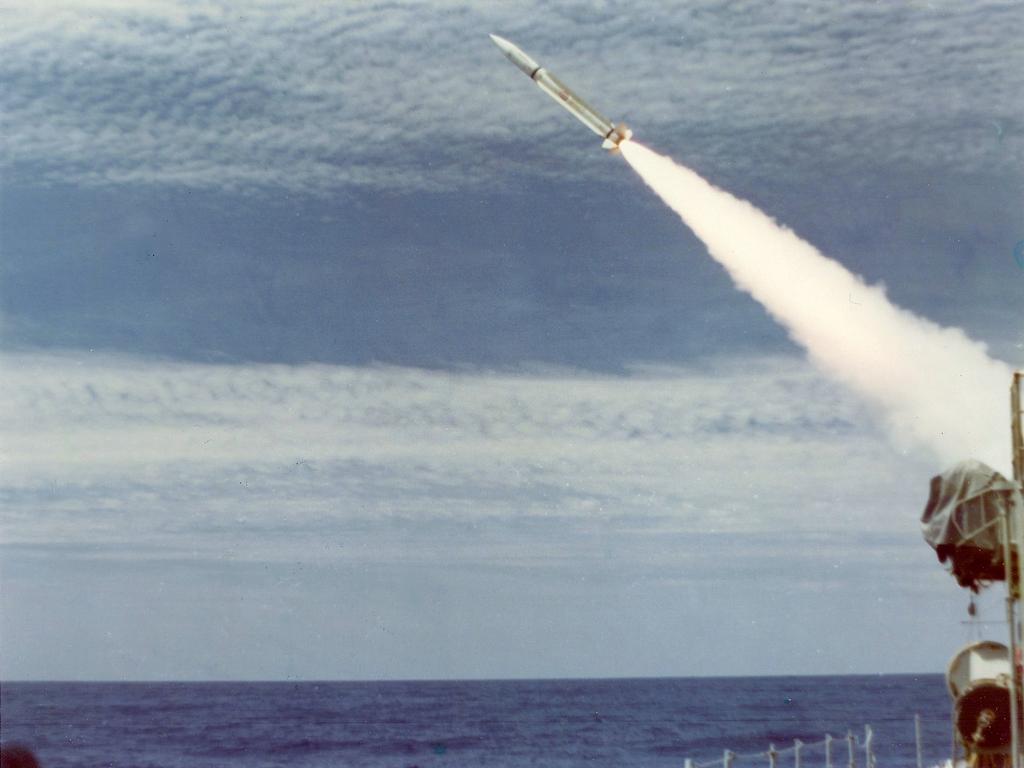
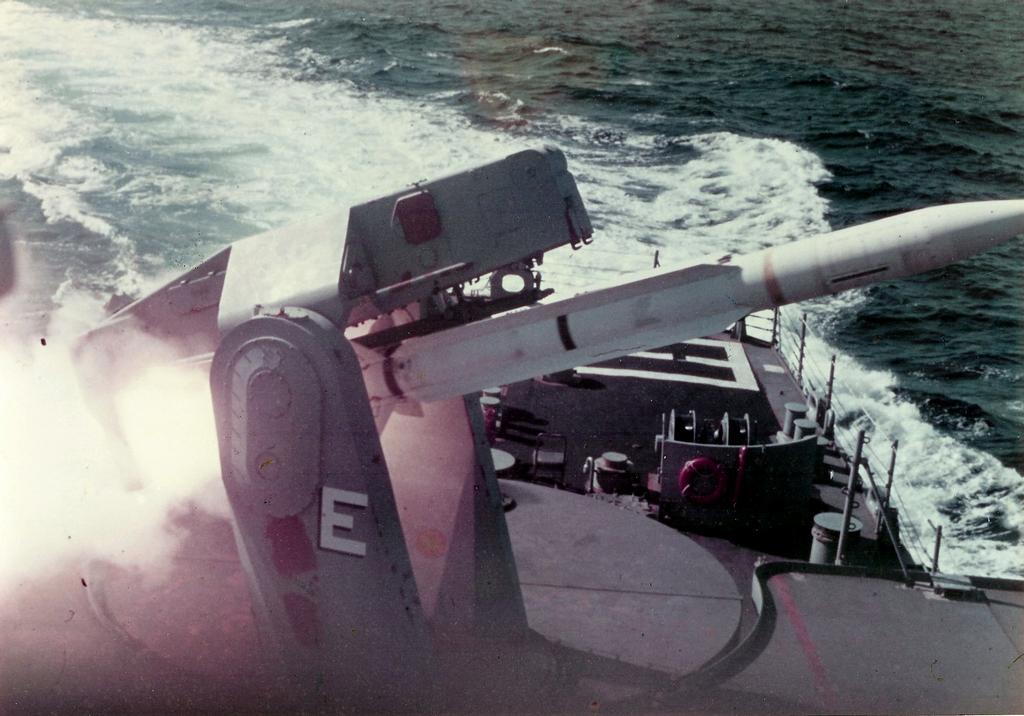
The Naval Air Warfare Center Weapons Division (NAWCWD) at China Lake, California, was established in 1943 as the Naval Ordnance Test Station to support World War II weapons research and testing. Located in the Mojave Desert, China Lake became a premier site for developing and testing naval airborne weapons, including the legendary Sidewinder missile. Over the decades, the facility expanded its mission to include research, development, acquisition, testing, and evaluation of cutting-edge naval weapons and systems. Today, NAWCWD China Lake remains a critical hub for the U.S. Navy, driving innovation in weapons technology and supporting fleet readiness worldwide.
U.S. Space Force
U.S. Navy
U.S. Navy