
Opening branch overview
Building the branch home surface
Loading branch highlights, featured unit context, and gallery moments.
Overview
Members
Units
Building the branch home surface
Loading branch highlights, featured unit context, and gallery moments.
Building the branch units surface
Loading unit filters, rankings, and the branch unit grid.

2 members•1 unit
Relive and share the memories of your service-time with your brothers and sisters in arms today. VetFriends.com can help you reconnect.
Did you proudly serve in the NavySchool E.O.D. Elgin AFB,FL?
Are you looking for someone who is or was in the NavySchool E.O.D. Elgin AFB,FL?
Do you have NavySchool E.O.D. Elgin AFB,FL photos you'd like to share?
Then join a community with your brothers and sisters of the NavySchool E.O.D. Elgin AFB,FL.
Branch
U.S. Navy
Members
2
NavySchool E.O.D. (Explosive Ordnance Disposal) at Elgin Air Force Base, Florida, traces its origins to the early days of World War II, when the U.S. military recognized the urgent need for specialized training in bomb and mine disposal. Established as a joint-service training facility, the school has since evolved into the premier center for EOD instruction, providing rigorous courses for Navy, Marine Corps, Air Force, and Army personnel. Over the decades, the unit has played a critical role in preparing EOD technicians for operations ranging from combat zones to humanitarian missions worldwide. Today, NavySchool E.O.D. at Elgin AFB remains at the forefront of explosive ordnance disposal training, integrating cutting-edge technology and tactics to address emerging threats.
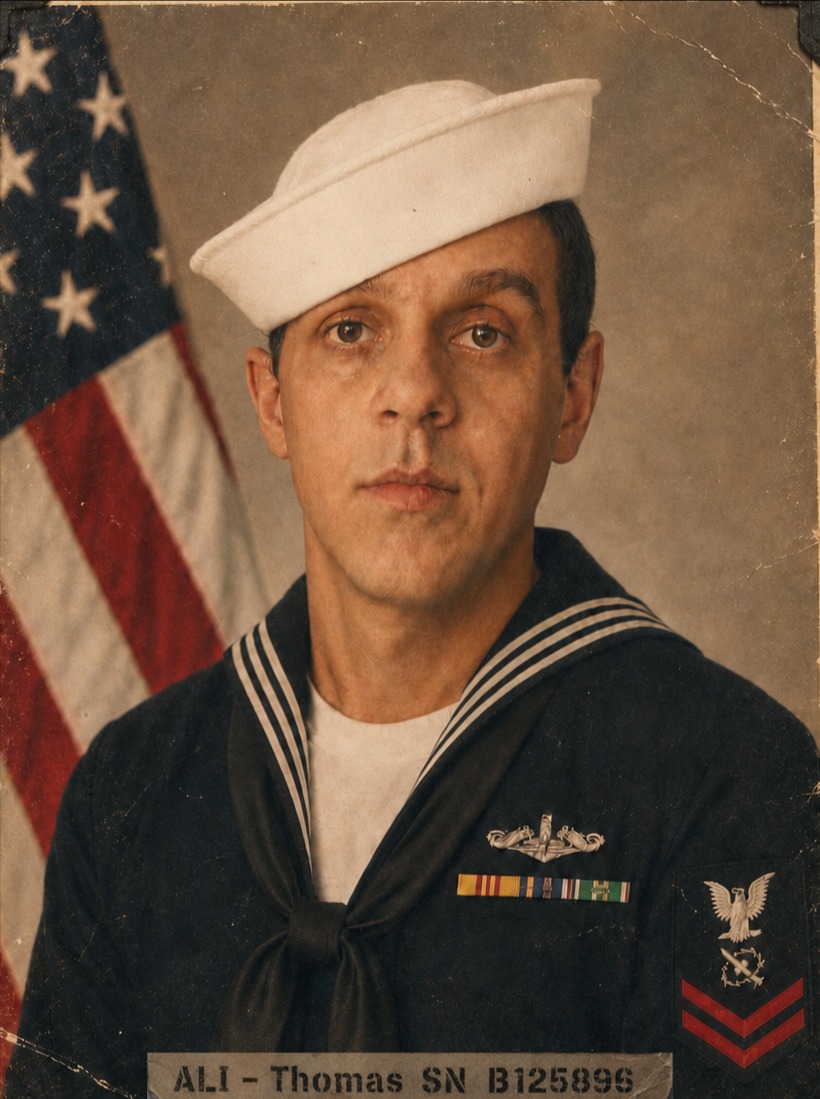
WEAPONS • U.S. Navy • 1968
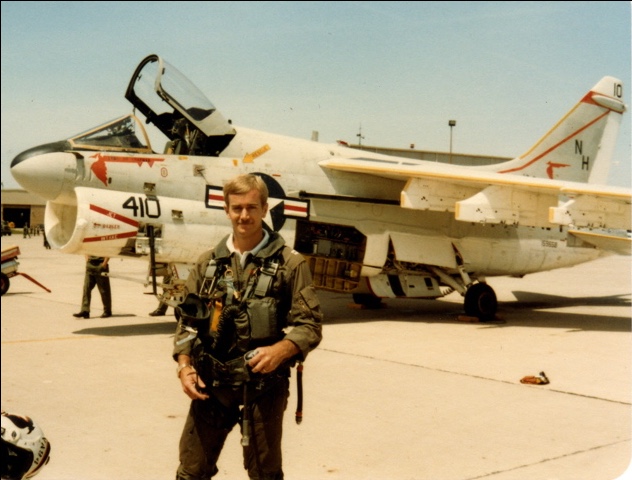
U.S. Navy

U.S. Navy

U.S. Navy