
Opening branch overview
Building the branch home surface
Loading branch highlights, featured unit context, and gallery moments.
Overview
Members
Units
Building the branch home surface
Loading branch highlights, featured unit context, and gallery moments.
Building the branch units surface
Loading unit filters, rankings, and the branch unit grid.

2 members•1 unit
Relive and share the memories of your service-time with your brothers and sisters in arms today. VetFriends.com can help you reconnect.
Did you proudly serve in the navy saturation diver?
Are you looking for someone who is or was in the navy saturation diver?
Do you have navy saturation diver photos you'd like to share?
Then join a community with your brothers and sisters of the navy saturation diver.
Branch
U.S. Navy
Members
2
Navy saturation divers are elite military personnel specially trained to conduct deep-sea diving operations using saturation diving techniques, enabling them to work at great depths for extended durations. The concept emerged during the 1960s, as militaries worldwide recognized the need to support submarine rescue, salvage, and covert underwater missions. Using advanced equipment and living in pressurized chambers, saturation divers can perform complex engineering tasks, explosive ordnance disposal, and clandestine operations beneath the ocean. Their expertise has proven vital in both wartime and peacetime, supporting missions such as submarine rescue, recovery of sensitive materials, and maintenance of underwater military infrastructure.
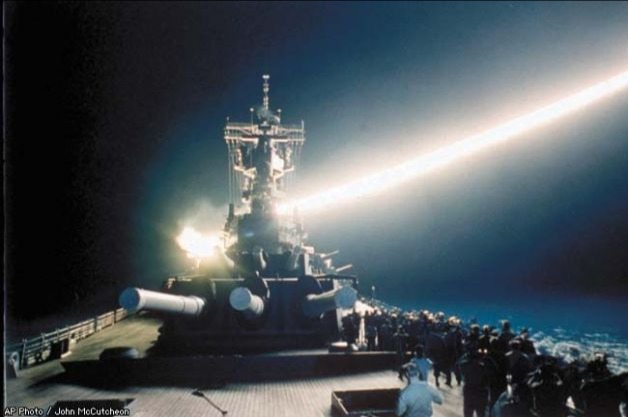
U.S. Navy • 1991
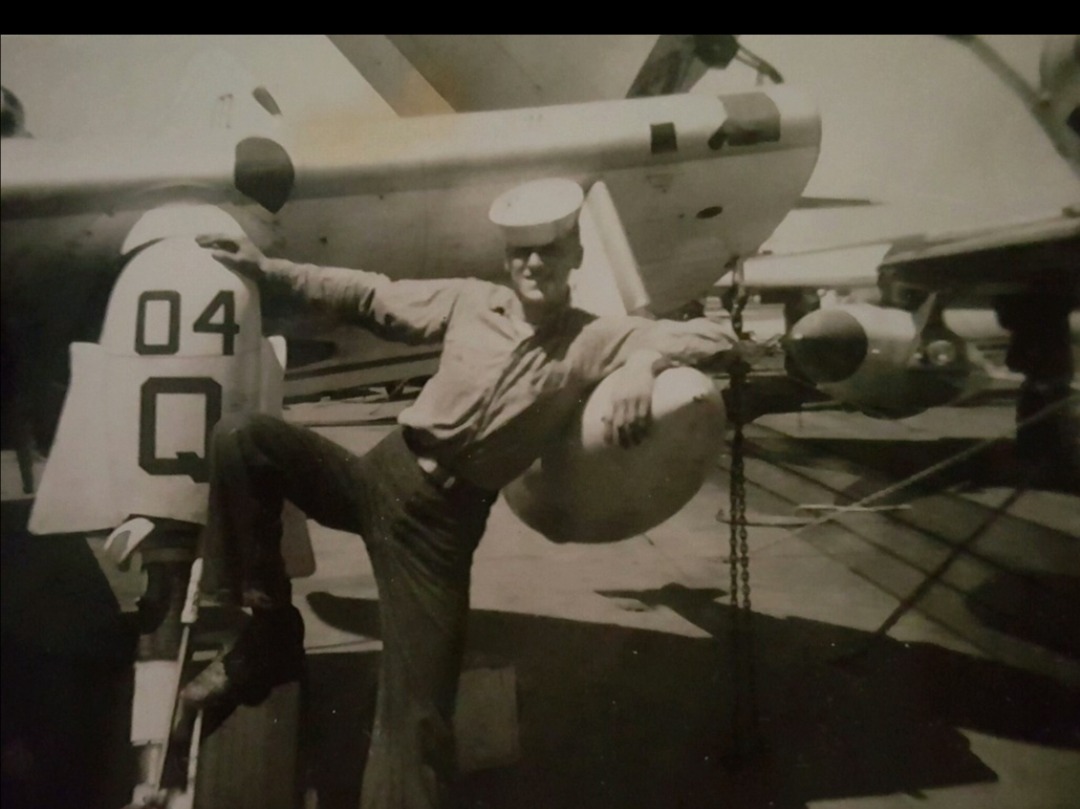
U.S. Navy
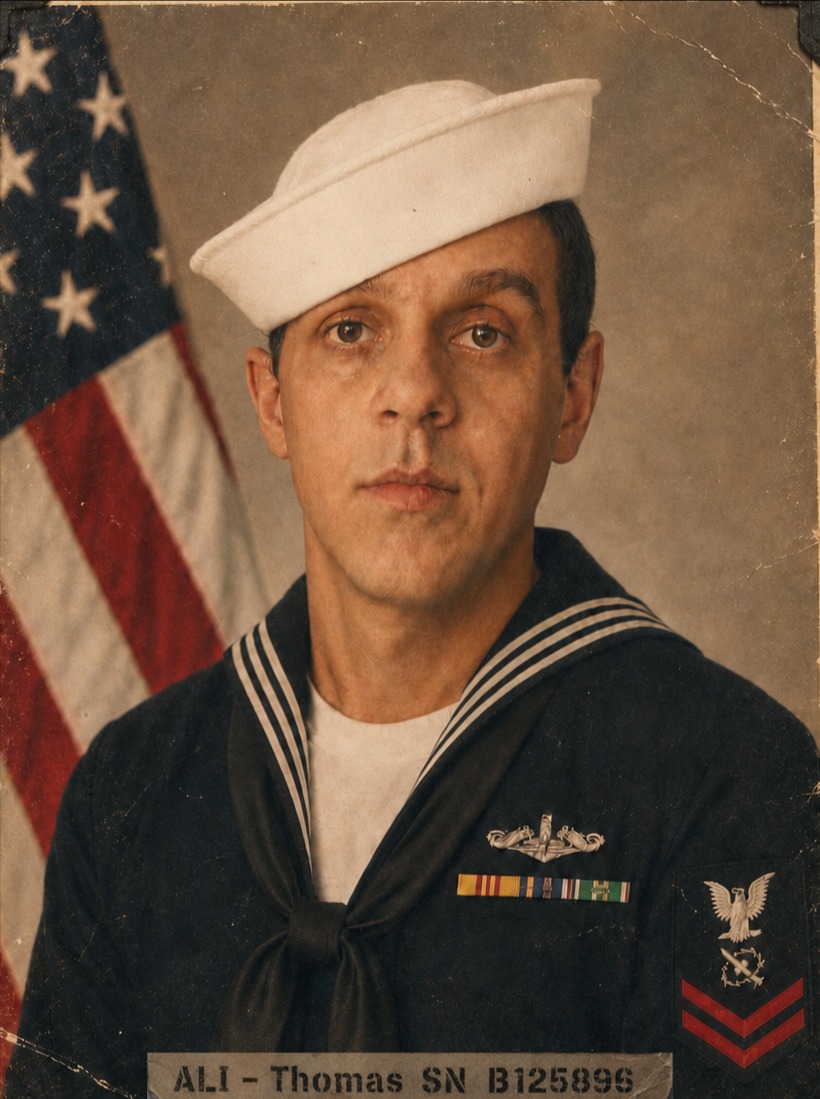
WEAPONS • U.S. Navy • 1968
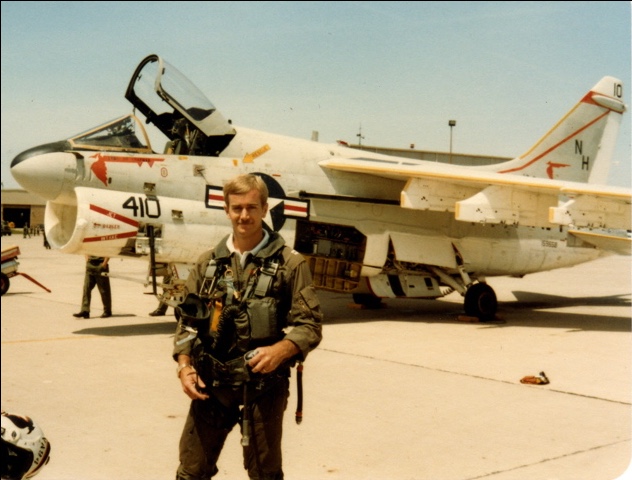
U.S. Navy