Over 3,064,780 active members
U.S. Navy•1 members
Relive and share the memories of your service-time with your brothers and sisters in arms today. VetFriends.com can help you reconnect.
Did you proudly serve in the NAVTRAMETOC Facility, Pensacola, FL?
Are you looking for someone who is or was in the NAVTRAMETOC Facility, Pensacola, FL?
Do you have NAVTRAMETOC Facility, Pensacola, FL photos you'd like to share?
Then join a community with your brothers and sisters of the NAVTRAMETOC Facility, Pensacola, FL.
Branch
U.S. Navy
Members
1
The Naval Training Meteorology and Oceanography Facility (NAVTRAMETOC Facility), located in Pensacola, Florida, was established to provide specialized training in meteorology and oceanography for Navy personnel. Since its inception, the facility has played a critical role in preparing sailors and officers to collect, analyze, and disseminate vital environmental data in support of naval operations worldwide. NAVTRAMETOC Pensacola has fostered advancements in atmospheric and oceanographic sciences, directly contributing to the safety and effectiveness of fleet operations. Over the years, the facility has adapted to evolving technologies and mission requirements, remaining a cornerstone of Navy environmental readiness.
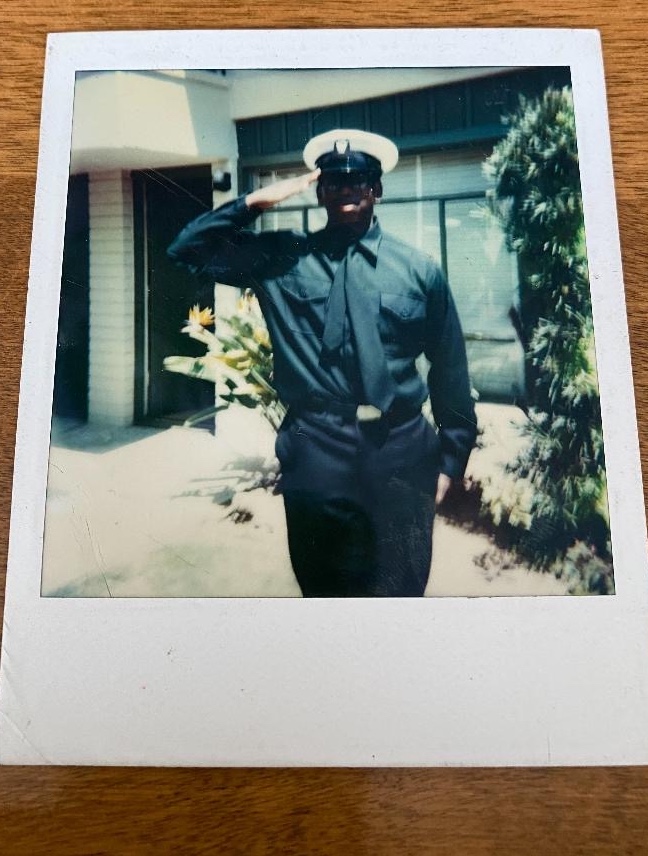
U.S. Navy • 1979
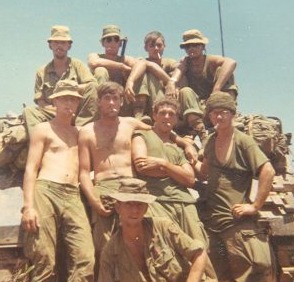
U.S. Navy
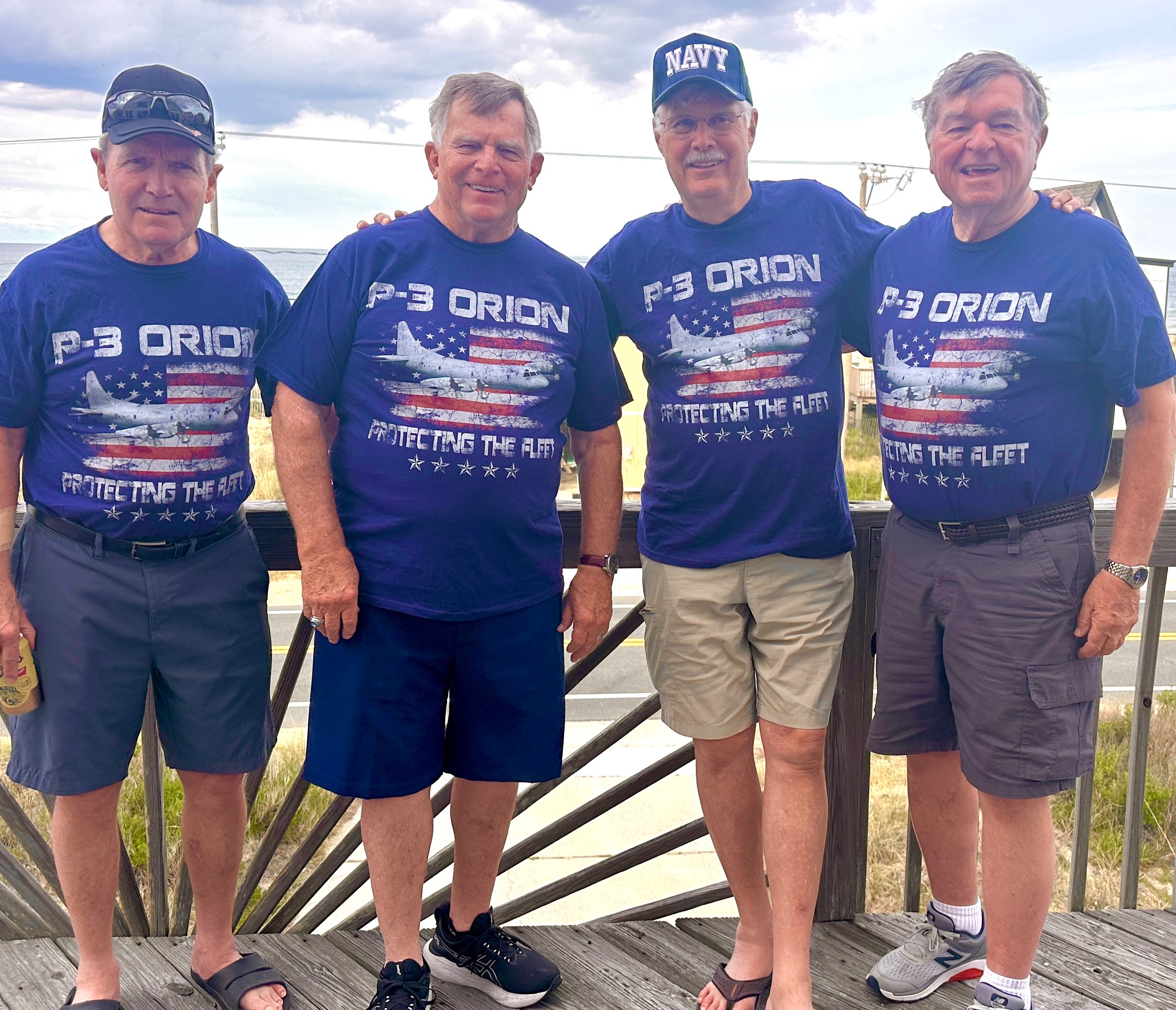
VP Squadrons • U.S. Navy • 2024

USS Lawrence DDG-4 • U.S. Navy • 1972
