
Opening branch overview
Building the branch home surface
Loading branch highlights, featured unit context, and gallery moments.
Overview
Members
Units
Building the branch home surface
Loading branch highlights, featured unit context, and gallery moments.
Building the branch units surface
Loading unit filters, rankings, and the branch unit grid.

42 members•1 unit
Relive and share the memories of your service-time with your brothers and sisters in arms today. VetFriends.com can help you reconnect.
Did you proudly serve in the NAVSTA Long Beach, CA?
Are you looking for someone who is or was in the NAVSTA Long Beach, CA?
Do you have NAVSTA Long Beach, CA photos you'd like to share?
Then join a community with your brothers and sisters of the NAVSTA Long Beach, CA.
Branch
U.S. Navy
Members
42
Naval Station Long Beach (NAVSTA Long Beach), located in Long Beach, California, was established in 1940 as a key U.S. Navy installation on the West Coast. Throughout World War II, the station served as a vital hub for ship repairs, logistics, and support, playing a significant role in Pacific operations. During the Cold War, NAVSTA Long Beach remained an essential base for the Pacific Fleet, supporting various naval vessels, including aircraft carriers and destroyers. The base was ultimately closed in 1997 as part of the Base Realignment and Closure (BRAC) process, with its facilities repurposed for civilian and commercial use.

1st medical battalion 1st fssg • U.S. Navy • 1983

U.S. Navy

U.S. Navy
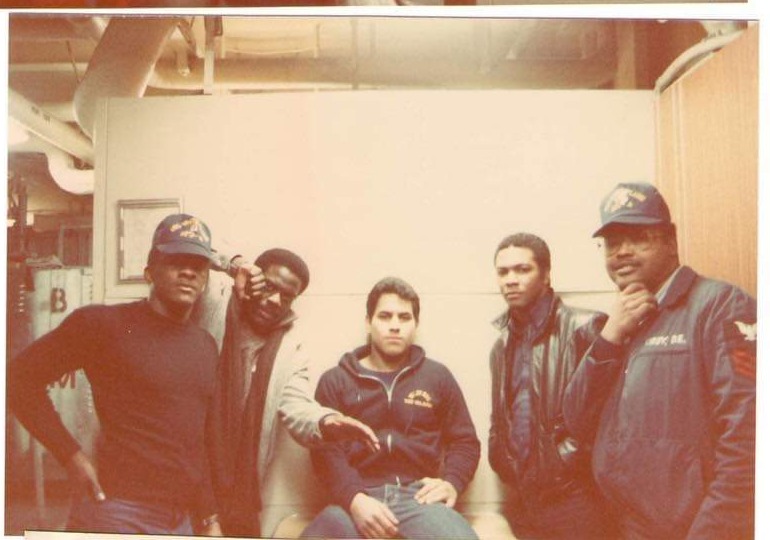
U.S. Navy