
Opening branch overview
Building the branch home surface
Loading branch highlights, featured unit context, and gallery moments.
Overview
Members
Units
Building the branch home surface
Loading branch highlights, featured unit context, and gallery moments.
Building the branch units surface
Loading unit filters, rankings, and the branch unit grid.

37 members•1 unit
Relive and share the memories of your service-time with your brothers and sisters in arms today. VetFriends.com can help you reconnect.
Did you proudly serve in the NAVSPASUR?
Are you looking for someone who is or was in the NAVSPASUR?
Do you have NAVSPASUR photos you'd like to share?
Then join a community with your brothers and sisters of the NAVSPASUR.
Branch
U.S. Navy
Members
37
NAVSPASUR, short for Naval Space Surveillance System, was a United States Navy radar network established during the early 1960s. Its primary mission was to detect and track satellites and other objects in Earth's orbit, providing vital space situational awareness during the Cold War. The system consisted of a series of transmitting and receiving stations spanning the southern United States, forming an electronic "fence" across the continent. Operated for decades by the U.S. Navy, NAVSPASUR was transferred to the United States Air Force in 2004 and later became part of the Air Force Space Surveillance System, continuing its legacy in American space defense.

Crash barn • U.S. Navy

Crash barn • U.S. Navy
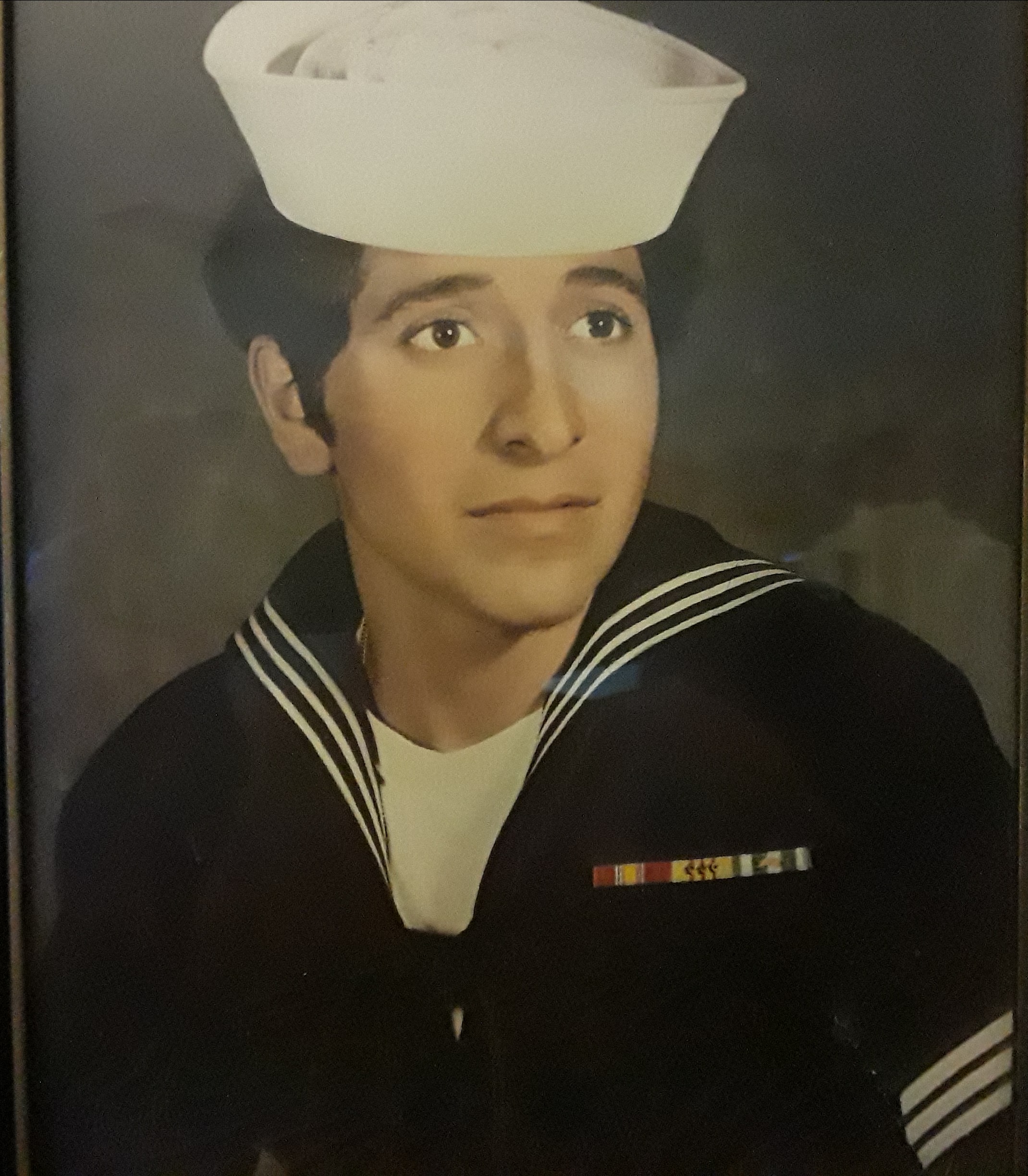
G-Division • U.S. Navy • 1970

CTR • U.S. Navy • 2024