
Opening branch overview
Building the branch home surface
Loading branch highlights, featured unit context, and gallery moments.
Overview
Members
Units
Building the branch home surface
Loading branch highlights, featured unit context, and gallery moments.
Building the branch units surface
Loading unit filters, rankings, and the branch unit grid.

4 members•1 unit
Relive and share the memories of your service-time with your brothers and sisters in arms today. VetFriends.com can help you reconnect.
Did you proudly serve in the NAVFAC Lewes, DE?
Are you looking for someone who is or was in the NAVFAC Lewes, DE?
Do you have NAVFAC Lewes, DE photos you'd like to share?
Then join a community with your brothers and sisters of the NAVFAC Lewes, DE.
Branch
U.S. Navy
Members
4
NAVFAC Lewes, Delaware was a U.S. Navy Facility established in 1962 as part of the Sound Surveillance System (SOSUS) network during the Cold War. Its primary mission was to detect and track Soviet submarines using undersea listening technology. Operated by a small contingent of Navy personnel and civilian technicians, the facility played a crucial role in anti-submarine warfare operations along the Atlantic coast. NAVFAC Lewes remained active until its decommissioning in 1981, after which its mission and assets were transferred or closed as part of post-Cold War drawdowns.
USS Saipan LHA-2 • U.S. Navy

U.S. Navy • 1975

U.S. Navy • 1975
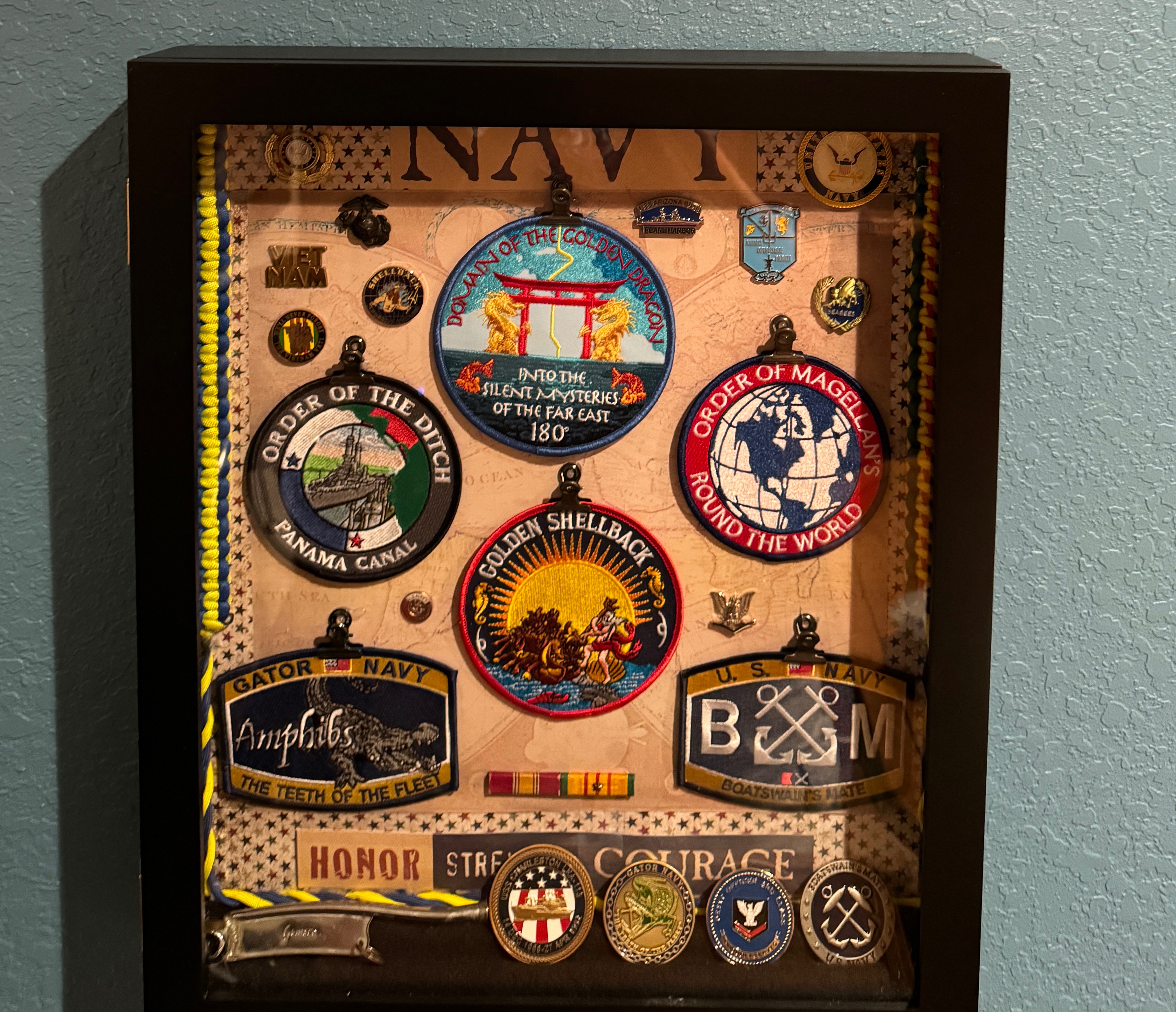
USS Charleston LKA-113 • U.S. Navy