
Opening branch overview
Building the branch home surface
Loading branch highlights, featured unit context, and gallery moments.
Overview
Members
Units
Building the branch home surface
Loading branch highlights, featured unit context, and gallery moments.
Building the branch units surface
Loading unit filters, rankings, and the branch unit grid.

16 members•1 unit
Relive and share the memories of your service-time with your brothers and sisters in arms today. VetFriends.com can help you reconnect.
Did you proudly serve in the NAVFAC Guam?
Are you looking for someone who is or was in the NAVFAC Guam?
Do you have NAVFAC Guam photos you'd like to share?
Then join a community with your brothers and sisters of the NAVFAC Guam.
Branch
U.S. Navy
Members
16
NAVFAC Guam, or Naval Facilities Engineering Systems Command Marianas, traces its origins to World War II when the U.S. Navy established a significant presence on Guam following the island’s liberation in 1944. Initially focused on constructing and maintaining critical wartime infrastructure, the unit played a key role in supporting naval operations in the Pacific Theater. Over the decades, NAVFAC Guam has evolved to provide comprehensive engineering, construction, and facilities management services for all U.S. military branches stationed on Guam and throughout the Marianas. Today, it remains a vital component of U.S. Indo-Pacific strategy, ensuring operational readiness and supporting the strategic posture of American forces in the region.
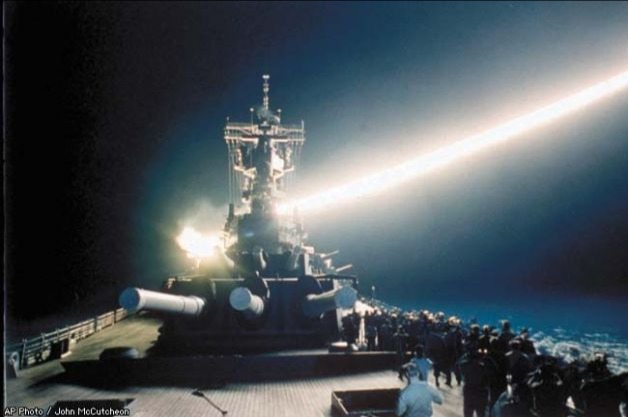
U.S. Navy • 1991
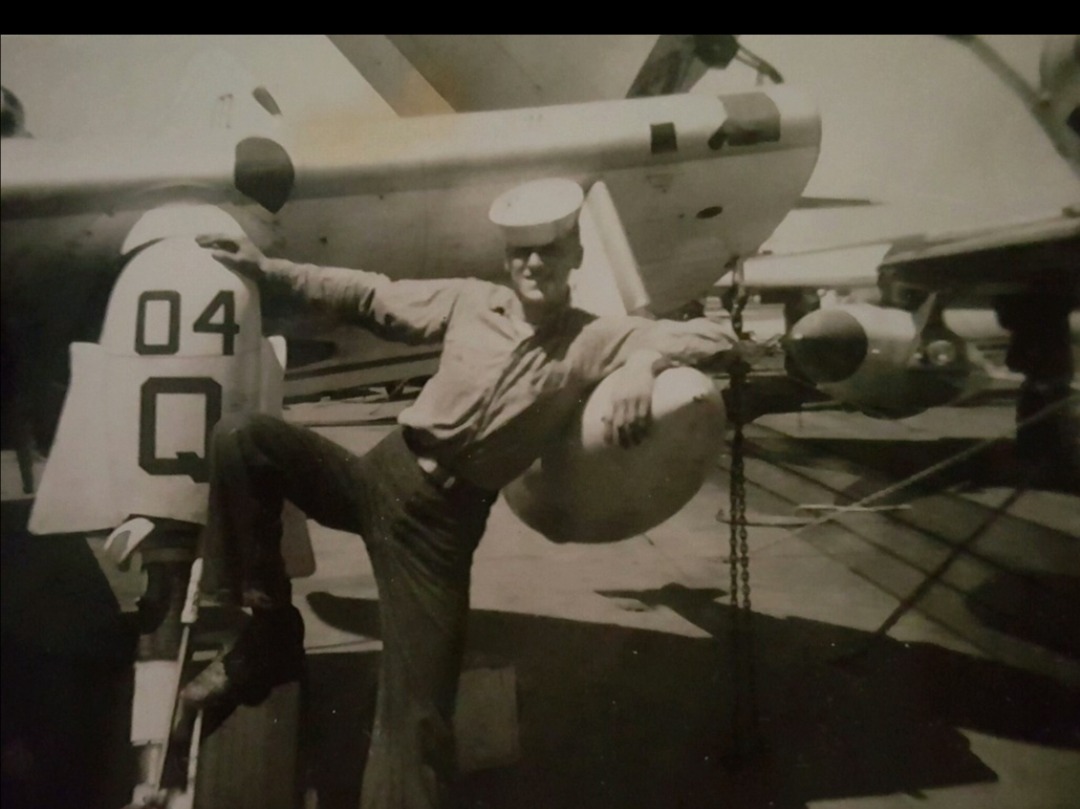
U.S. Navy
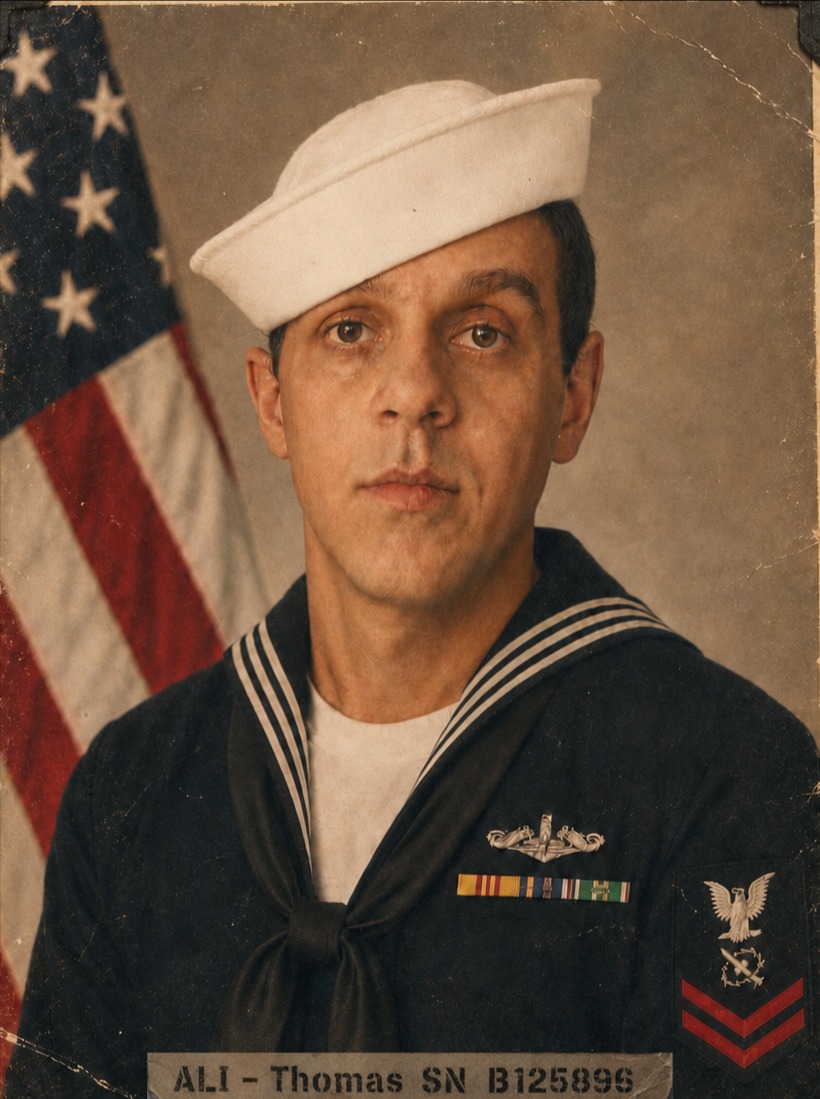
WEAPONS • U.S. Navy • 1968
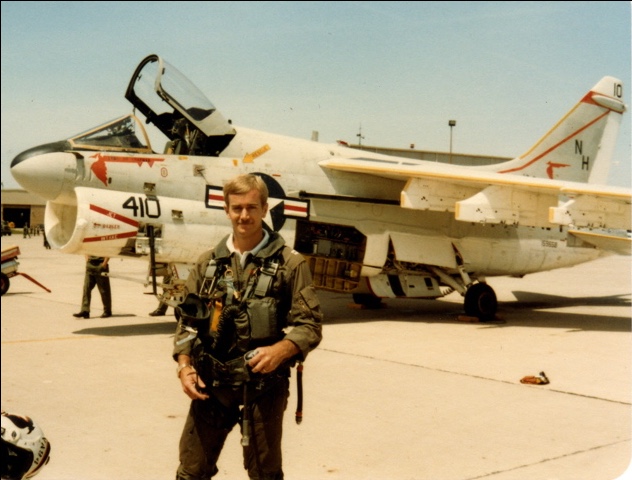
U.S. Navy