
Opening branch overview
Building the branch home surface
Loading branch highlights, featured unit context, and gallery moments.
Overview
Members
Units
Building the branch home surface
Loading branch highlights, featured unit context, and gallery moments.
Building the branch units surface
Loading unit filters, rankings, and the branch unit grid.
37 members•1 unit
Relive and share the memories of your service-time with your brothers and sisters in arms today. VetFriends.com can help you reconnect.
Did you proudly serve in the NAVCOMSTA Yokosuka, Japan?
Are you looking for someone who is or was in the NAVCOMSTA Yokosuka, Japan?
Do you have NAVCOMSTA Yokosuka, Japan photos you'd like to share?
Then join a community with your brothers and sisters of the NAVCOMSTA Yokosuka, Japan.
Branch
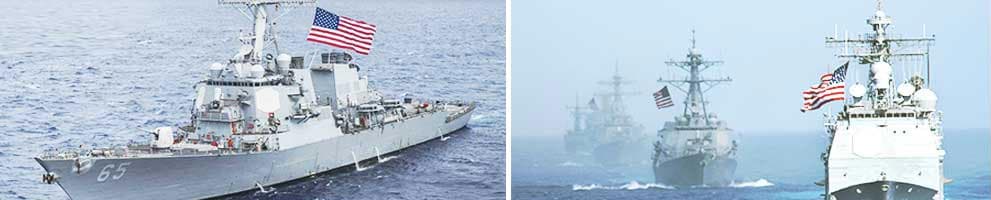
U.S. Navy
Members
37
Naval Communications Station (NAVCOMSTA) Yokosuka, Japan, was established in the early 1950s to support U.S. Navy operations in the Western Pacific following World War II. Strategically located within the U.S. Fleet Activities Yokosuka complex, the unit provided critical communications, cryptographic, and electronic support for naval and joint forces throughout the region. NAVCOMSTA Yokosuka played a vital role during the Korean and Vietnam Wars, ensuring reliable command and control links between deployed fleets and higher headquarters. Over time, its mission evolved with advances in technology, and the station eventually transitioned into what is known today as the Naval Computer and Telecommunications Station (NCTS) Far East.

U.S. Navy

U.S. Navy
U.S. Navy
U.S. Navy • 2015