
Opening branch overview
Building the branch home surface
Loading branch highlights, featured unit context, and gallery moments.
Overview
Members
Units
Building the branch home surface
Loading branch highlights, featured unit context, and gallery moments.
Building the branch units surface
Loading unit filters, rankings, and the branch unit grid.

7 members•1 unit
Relive and share the memories of your service-time with your brothers and sisters in arms today. VetFriends.com can help you reconnect.
Did you proudly serve in the navcomsta asmara eitrea, Ethiopia?
Are you looking for someone who is or was in the navcomsta asmara eitrea, Ethiopia?
Do you have navcomsta asmara eitrea, Ethiopia photos you'd like to share?
Then join a community with your brothers and sisters of the navcomsta asmara eitrea, Ethiopia.
Branch
U.S. Navy
Members
7
Naval Communication Station (NAVCOMSTA) Asmara was a United States Navy communications facility located near Asmara, in what was then Ethiopia (now Eritrea). Established in the early 1950s during the Cold War, the base served as a critical signals intelligence and communications relay site due to its strategic location in the Horn of Africa. NAVCOMSTA Asmara provided essential support for U.S. Navy operations in the region, monitoring Soviet naval activity and facilitating secure communications between U.S. military units. The station remained active until 1977, when deteriorating U.S.-Ethiopian relations and regional instability led to its closure and the withdrawal of American personnel.

1st medical battalion 1st fssg • U.S. Navy • 1983

U.S. Navy

U.S. Navy
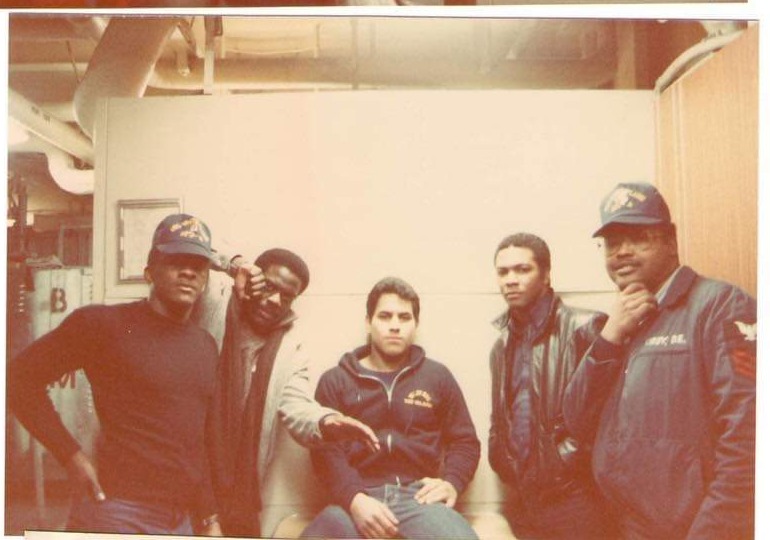
U.S. Navy