
Opening branch overview
Building the branch home surface
Loading branch highlights, featured unit context, and gallery moments.
Overview
Members
Units
Building the branch home surface
Loading branch highlights, featured unit context, and gallery moments.
Building the branch units surface
Loading unit filters, rankings, and the branch unit grid.

13 members•1 unit
Relive and share the memories of your service-time with your brothers and sisters in arms today. VetFriends.com can help you reconnect.
Did you proudly serve in the nAVCOMMSTA SAN JUAN PR?
Are you looking for someone who is or was in the nAVCOMMSTA SAN JUAN PR?
Do you have nAVCOMMSTA SAN JUAN PR photos you'd like to share?
Then join a community with your brothers and sisters of the nAVCOMMSTA SAN JUAN PR.
Branch
U.S. Navy
Members
13
Naval Communication Station San Juan, Puerto Rico (NAVCOMMSTA San Juan PR) was established in the mid-20th century as part of the U.S. Navy’s global communications network. Its mission was to provide reliable radio and message traffic support to fleet units operating in the Caribbean and Atlantic regions, serving as a critical link during the Cold War era. The station supported numerous naval operations, participating in regional exercises and ensuring secure communications for both U.S. and allied forces. NAVCOMMSTA San Juan was eventually decommissioned as advances in technology and changing strategic priorities led to the consolidation of naval communications facilities worldwide.
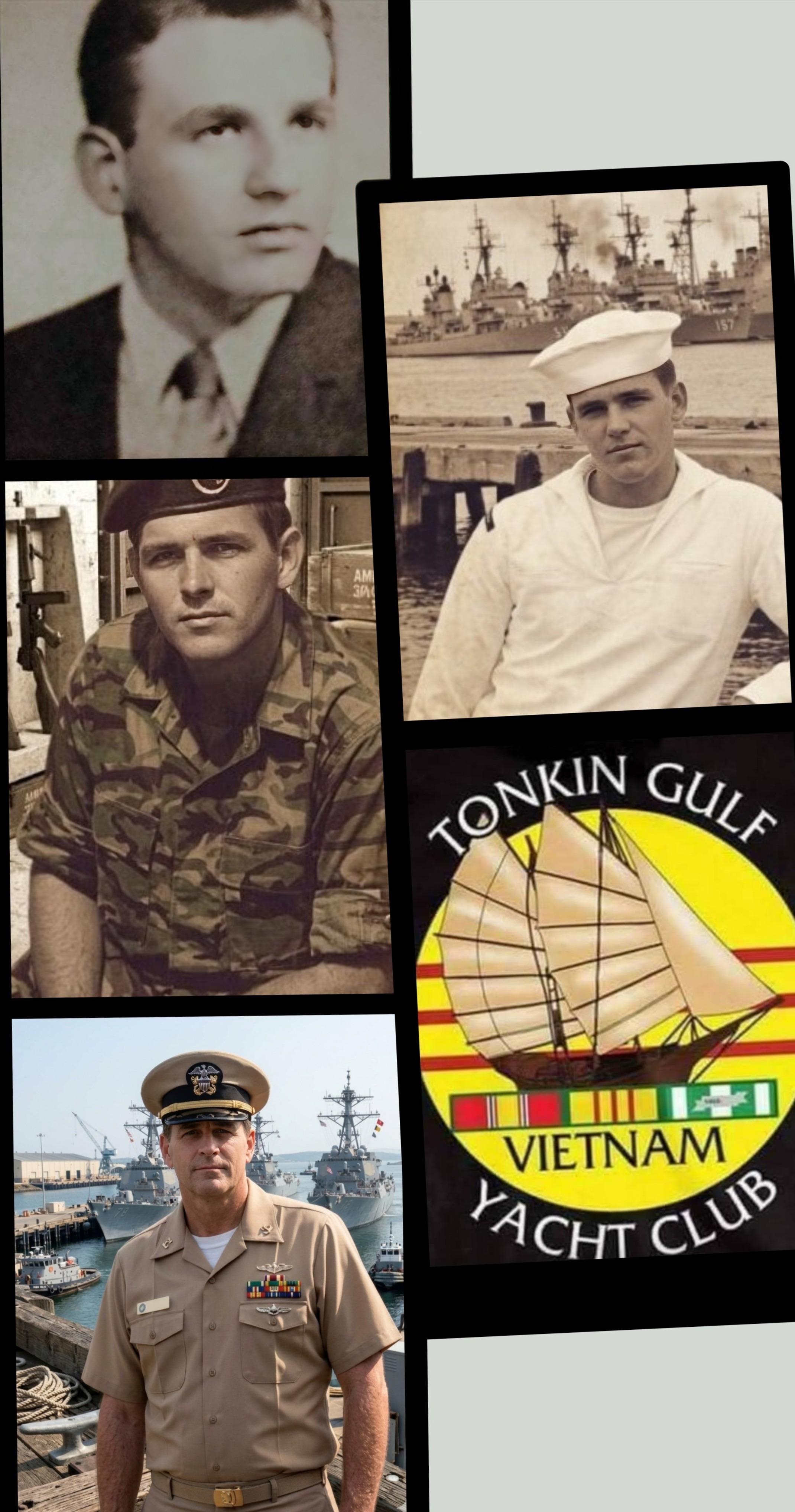
U.S. Navy
U.S. Navy
USS Enterprise • U.S. Navy • 1943
1ST MEDICAL BATTALION • U.S. Navy • 1983