
Opening branch overview
Building the branch home surface
Loading branch highlights, featured unit context, and gallery moments.
Overview
Members
Units
Building the branch home surface
Loading branch highlights, featured unit context, and gallery moments.
Building the branch units surface
Loading unit filters, rankings, and the branch unit grid.

16 members•1 unit
Relive and share the memories of your service-time with your brothers and sisters in arms today. VetFriends.com can help you reconnect.
Did you proudly serve in the NAVCOMMSTA Japan?
Are you looking for someone who is or was in the NAVCOMMSTA Japan?
Do you have NAVCOMMSTA Japan photos you'd like to share?
Then join a community with your brothers and sisters of the NAVCOMMSTA Japan.
Branch
U.S. Navy
Members
16
Naval Communications Station (NAVCOMMSTA) Japan was established in the post-World War II era to support United States Navy operations throughout the Western Pacific. Originally set up in the 1950s, the station provided vital communications, cryptographic, and support services for fleet operations during the Cold War, the Korean War, and the Vietnam War. Over the decades, NAVCOMMSTA Japan expanded its facilities and capabilities, adapting to advances in communications technology and shifting regional security needs. In the 1990s, the unit was reorganized and became part of the Naval Computer and Telecommunications Station (NCTS) Far East, continuing its mission of providing secure, reliable communications for U.S. and allied forces in the Indo-Pacific region.
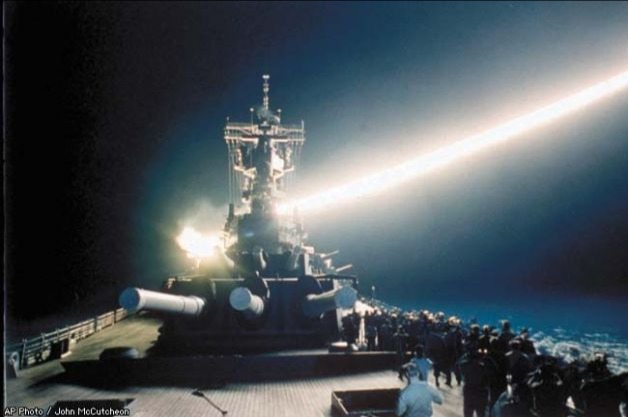
U.S. Navy • 1991
U.S. Navy

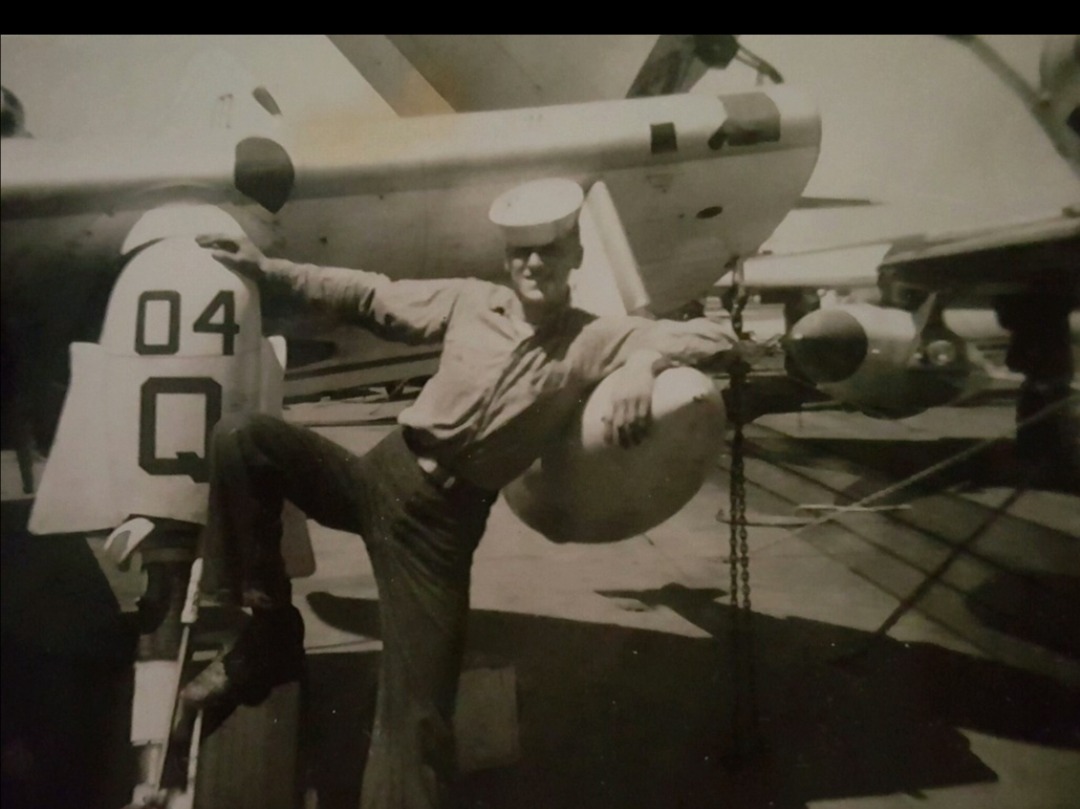
WEAPONS • U.S. Navy • 1968

U.S. Navy