
Opening branch overview
Building the branch home surface
Loading branch highlights, featured unit context, and gallery moments.
Overview
Members
Units
Building the branch home surface
Loading branch highlights, featured unit context, and gallery moments.
Building the branch units surface
Loading unit filters, rankings, and the branch unit grid.

U.S. Navy•27 members
Relive and share the memories of your service-time with your brothers and sisters in arms today. VetFriends.com can help you reconnect.
Did you proudly serve in the Naval Weapons Station Yorktown?
Are you looking for someone who is or was in the Naval Weapons Station Yorktown?
Do you have Naval Weapons Station Yorktown photos you'd like to share?
Then join a community with your brothers and sisters of the Naval Weapons Station Yorktown.
Naval Weapons Station Yorktown, established in 1918 in Virginia, was originally created to support the U.S. Navy during World War I by providing a safe location for the storage and loading of naval munitions. Over the decades, it expanded its mission, playing a critical role in supplying ammunition and ordnance for the Atlantic Fleet during World War II and subsequent conflicts. The station has continued to evolve, supporting a wide range of Navy and joint-service operations, including logistics, training, and maintenance. Today, it remains a vital component of U.S. naval power, serving as both an ordnance hub and a support installation for numerous tenant commands.

U.S. Navy
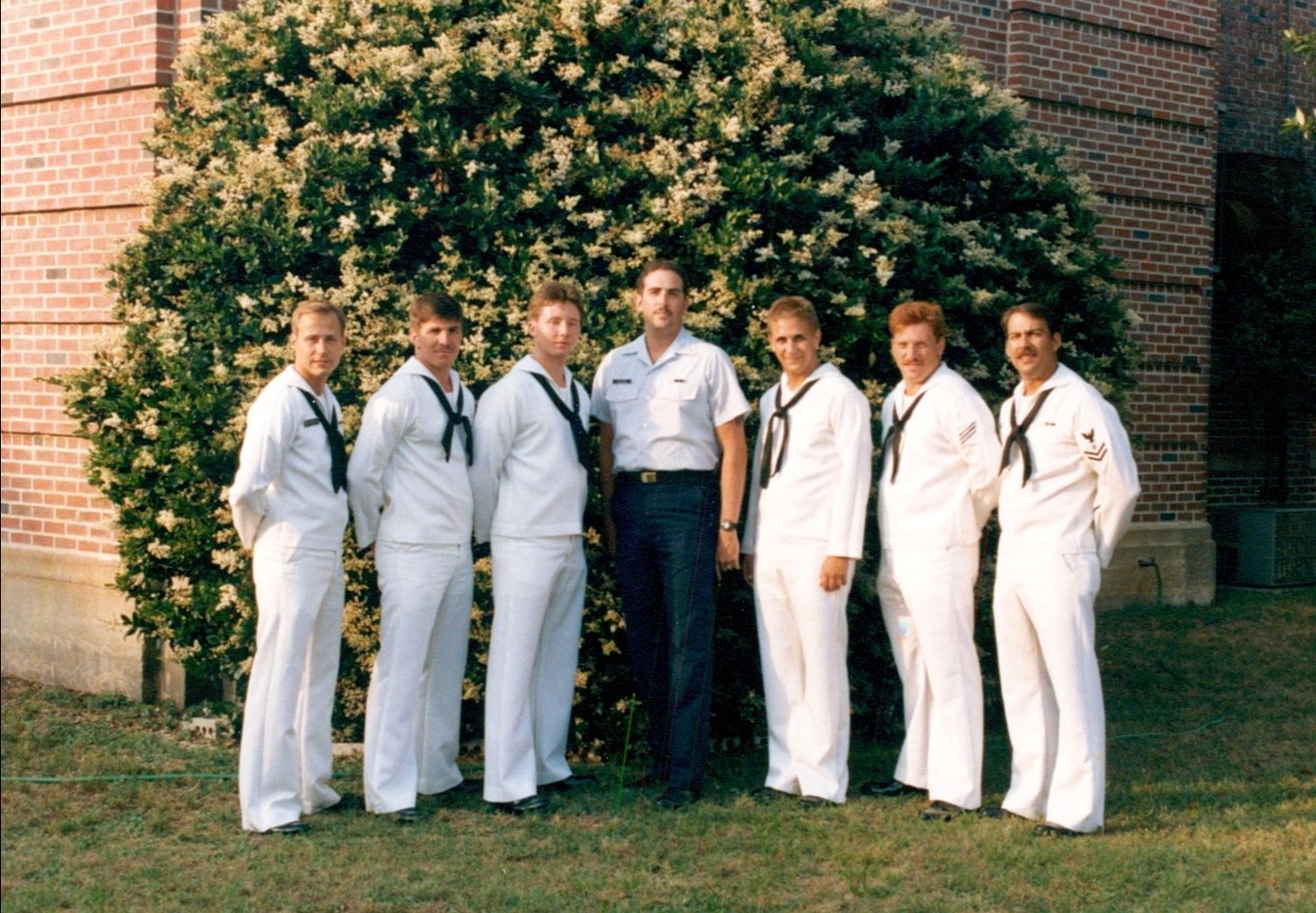
U.S. Navy • 1987
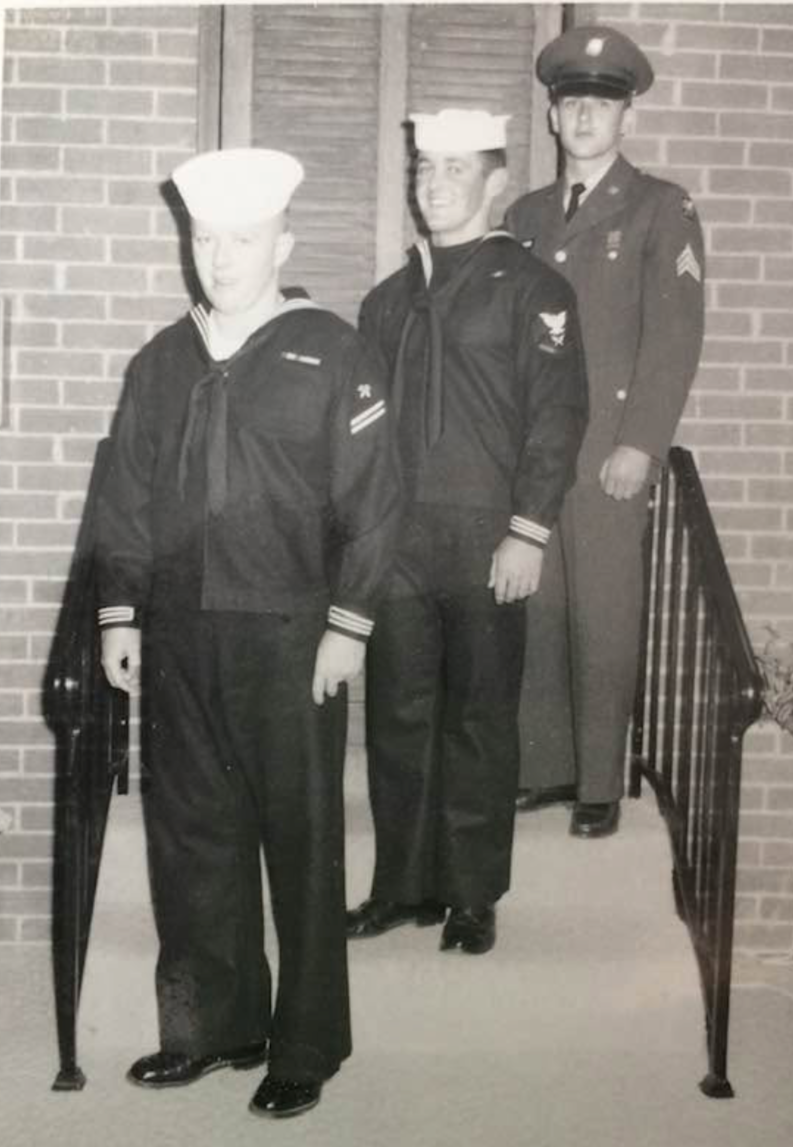
U.S. Navy • 1967
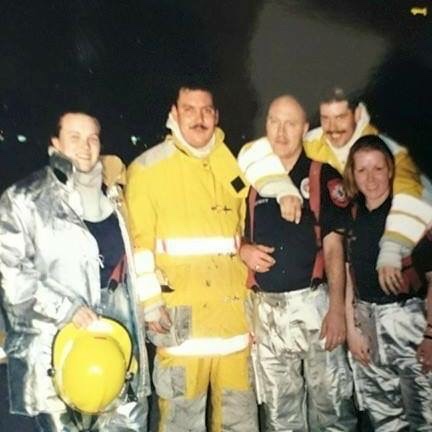
U.S. Navy