
Opening branch overview
Building the branch home surface
Loading branch highlights, featured unit context, and gallery moments.
Overview
Members
Units
Building the branch home surface
Loading branch highlights, featured unit context, and gallery moments.
Building the branch units surface
Loading unit filters, rankings, and the branch unit grid.
37 members•1 unit
Relive and share the memories of your service-time with your brothers and sisters in arms today. VetFriends.com can help you reconnect.
Did you proudly serve in the Naval Support Facility, Cam Rahn Bay, Vietnam?
Are you looking for someone who is or was in the Naval Support Facility, Cam Rahn Bay, Vietnam?
Do you have Naval Support Facility, Cam Rahn Bay, Vietnam photos you'd like to share?
Then join a community with your brothers and sisters of the Naval Support Facility, Cam Rahn Bay, Vietnam.
Branch
U.S. Navy
Members
37
Naval Support Facility, Cam Ranh Bay, was established by the United States Navy in 1965 during the Vietnam War to serve as a major logistics and supply hub. Strategically located on Vietnam’s southeastern coast, the facility supported U.S. and allied naval operations by providing fuel, ammunition, repair, and storage services. Cam Ranh Bay quickly became one of the largest and most important deep-water ports in Southeast Asia, enabling the rapid movement of personnel and materiel throughout the theater. The base was handed over to South Vietnamese control in 1972 as part of the U.S. drawdown and Vietnamization efforts.
U.S. Navy • 2015
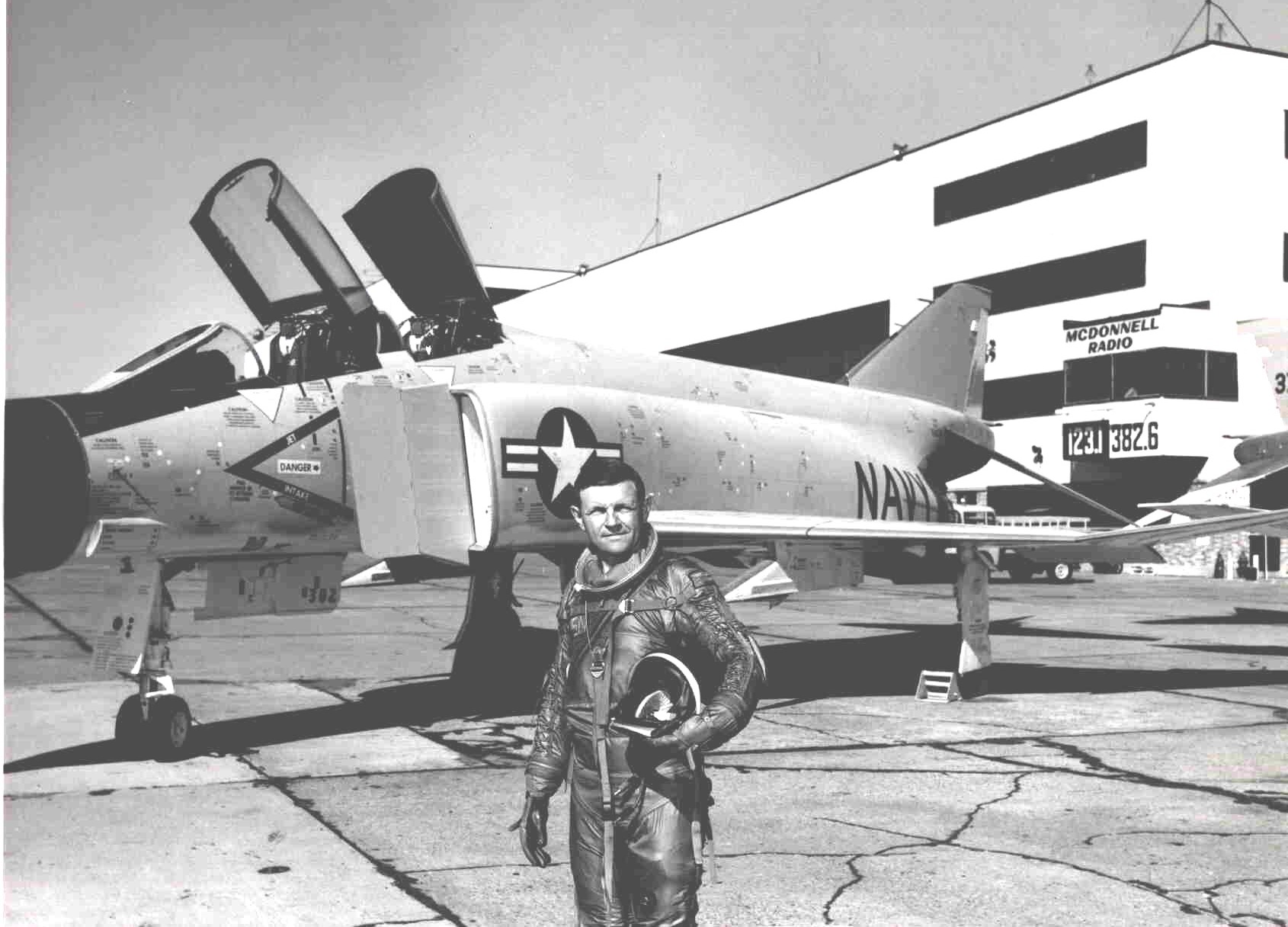
U.S. Navy • 1962
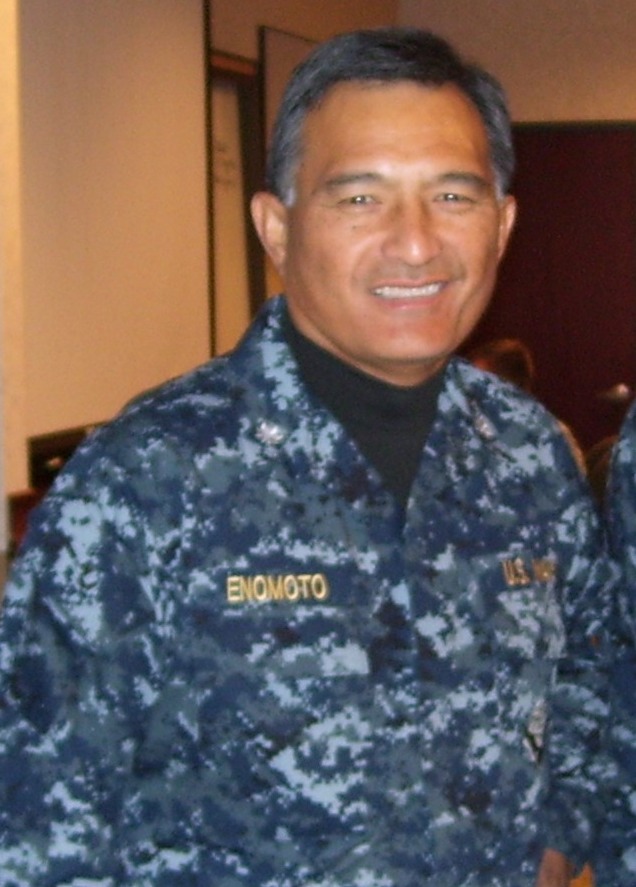
U.S. Navy • 2010
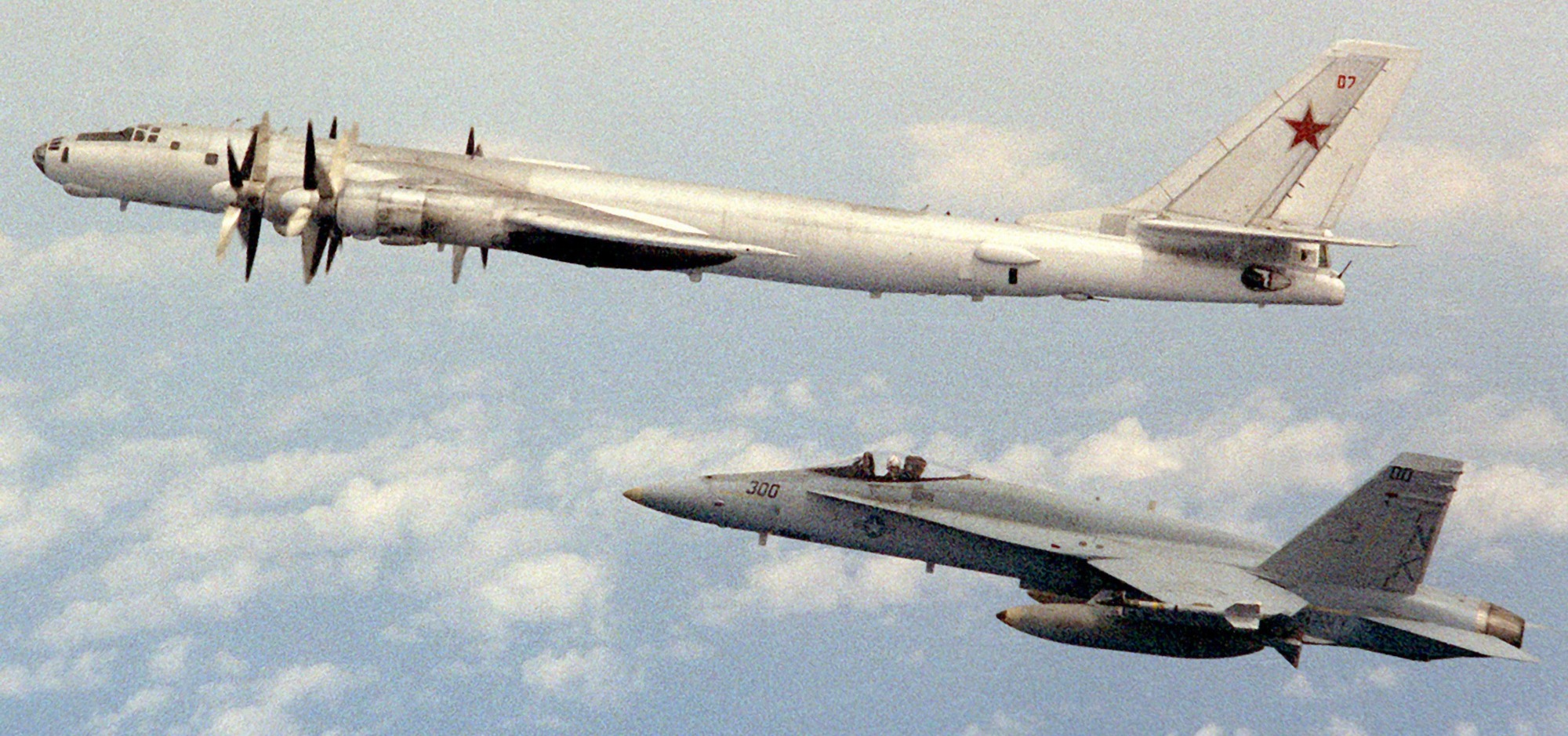
VFA-113 Stingers • U.S. Navy • 1985