
Opening branch overview
Building the branch home surface
Loading branch highlights, featured unit context, and gallery moments.
Overview
Members
Units
Building the branch home surface
Loading branch highlights, featured unit context, and gallery moments.
Building the branch units surface
Loading unit filters, rankings, and the branch unit grid.

64 members•1 unit
Relive and share the memories of your service-time with your brothers and sisters in arms today. VetFriends.com can help you reconnect.
Did you proudly serve in the Naval Support Activity - Saigon?
Are you looking for someone who is or was in the Naval Support Activity - Saigon?
Do you have Naval Support Activity - Saigon photos you'd like to share?
Then join a community with your brothers and sisters of the Naval Support Activity - Saigon.
Branch
U.S. Navy
Members
64
Naval Support Activity (NSA) – Saigon was established by the United States Navy in 1966 during the Vietnam War to provide vital logistical, administrative, and supply support to naval and joint military operations in the Saigon area and throughout the Mekong Delta. The unit played a crucial role in sustaining Riverine and coastal patrol forces, repairing craft, and distributing ammunition, fuel, and provisions to U.S. and allied forces. NSA Saigon managed a complex network of depots, piers, and transportation assets, ensuring continuous operational capability for naval operations such as Operation Game Warden and Operation Market Time. The unit continued its mission until the drawdown of American forces, officially disestablishing in 1973 following the Paris Peace Accords.

1st medical battalion 1st fssg • U.S. Navy • 1983

U.S. Navy

U.S. Navy
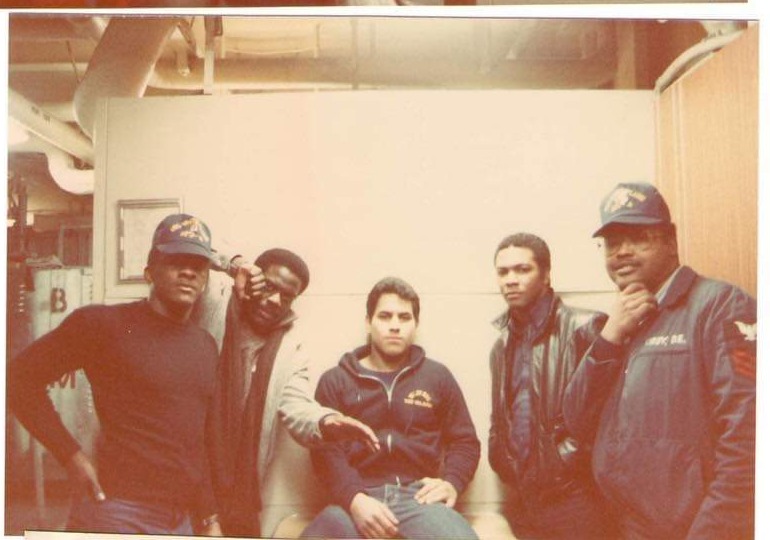
U.S. Navy