
Opening branch overview
Building the branch home surface
Loading branch highlights, featured unit context, and gallery moments.
Overview
Members
Units
Building the branch home surface
Loading branch highlights, featured unit context, and gallery moments.
Building the branch units surface
Loading unit filters, rankings, and the branch unit grid.

16 members•1 unit
Relive and share the memories of your service-time with your brothers and sisters in arms today. VetFriends.com can help you reconnect.
Did you proudly serve in the Naval Strike Warfare Center NAS Fallon Nv?
Are you looking for someone who is or was in the Naval Strike Warfare Center NAS Fallon Nv?
Do you have Naval Strike Warfare Center NAS Fallon Nv photos you'd like to share?
Then join a community with your brothers and sisters of the Naval Strike Warfare Center NAS Fallon Nv.
Branch
U.S. Navy
Members
16
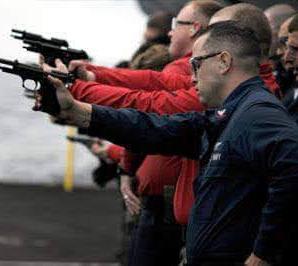
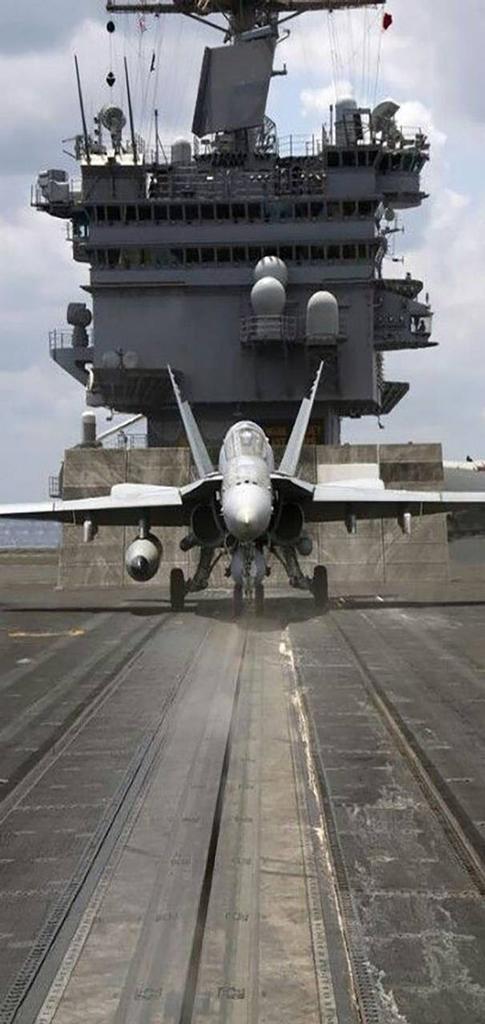
The Naval Strike Warfare Center (NSWC) was established in 1984 at Naval Air Station (NAS) Fallon, Nevada, as the U.S. Navy’s premier command for strike warfare training and tactics development. Its mission was to provide advanced training to naval aviators, aircrews, and strike groups, focusing on integrated strike warfare, electronic warfare, and air wing tactics. The NSWC became renowned for its realistic training scenarios, using the vast Fallon ranges to simulate complex combat environments. In 1996, the NSWC merged with other commands to form the Naval Strike and Air Warfare Center (NSAWC), continuing its legacy of excellence in naval aviation training.
U.S. Navy
U.S. Navy
U.S. Navy