
Opening branch overview
Building the branch home surface
Loading branch highlights, featured unit context, and gallery moments.
Overview
Members
Units
Building the branch home surface
Loading branch highlights, featured unit context, and gallery moments.
Building the branch units surface
Loading unit filters, rankings, and the branch unit grid.

U.S. Navy•17 members
Relive and share the memories of your service-time with your brothers and sisters in arms today. VetFriends.com can help you reconnect.
Did you proudly serve in the Naval Security Forces?
Are you looking for someone who is or was in the Naval Security Forces?
Do you have Naval Security Forces photos you'd like to share?
Then join a community with your brothers and sisters of the Naval Security Forces.
The Naval Security Forces (NSF) is a specialized unit within the United States Navy responsible for the protection and security of naval installations, personnel, and assets worldwide. Originating from the traditional roles of Navy Master-at-Arms, the NSF was formally established to address evolving security threats, including terrorism, espionage, and sabotage. Throughout its history, the NSF has played a crucial role in force protection, anti-terrorism operations, and law enforcement activities both onshore and afloat. Their presence is vital for safeguarding key naval infrastructure and ensuring mission readiness in support of U.S. naval operations globally.
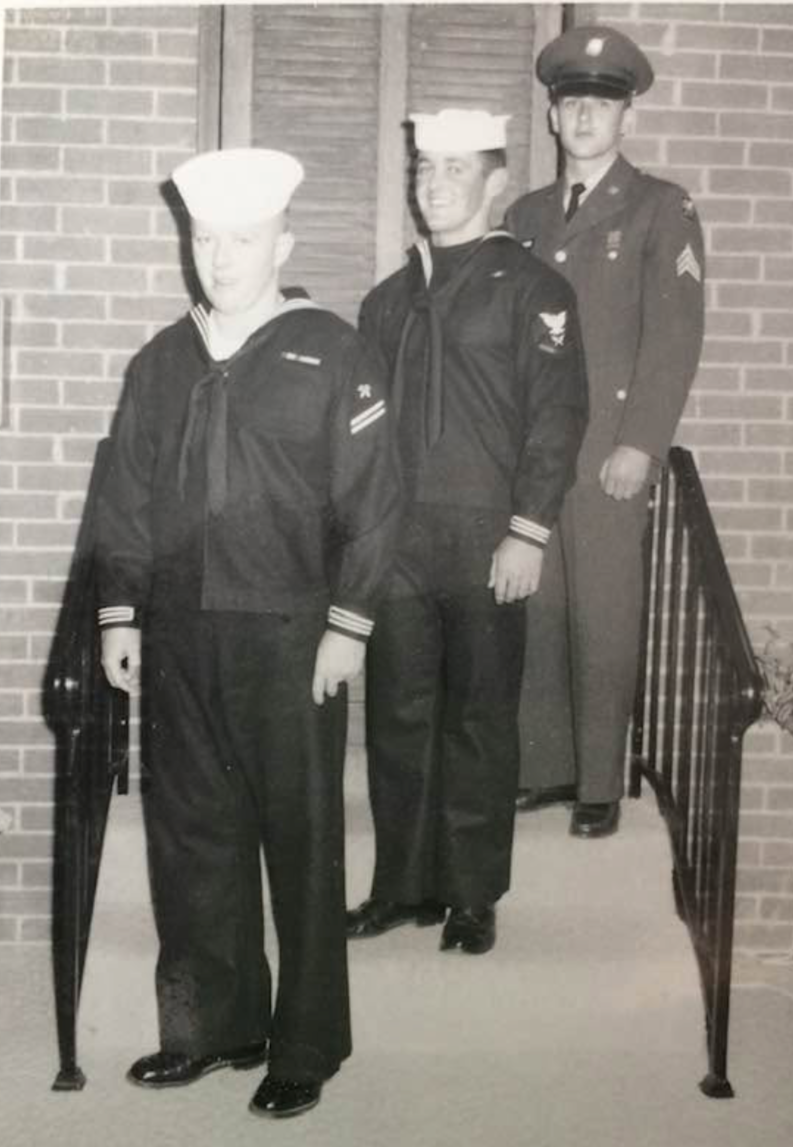
U.S. Navy • 1967

U.S. Navy
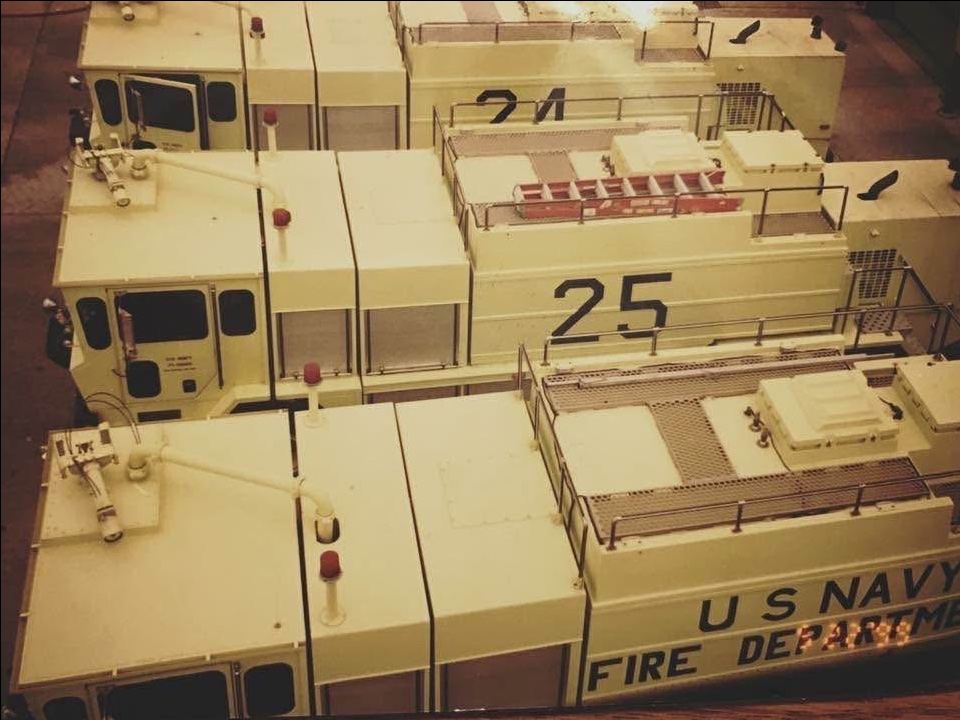
U.S. Navy

U.S. Navy