
Opening branch overview
Building the branch home surface
Loading branch highlights, featured unit context, and gallery moments.
Overview
Members
Units
Building the branch home surface
Loading branch highlights, featured unit context, and gallery moments.
Building the branch units surface
Loading unit filters, rankings, and the branch unit grid.

18 members•1 unit
Relive and share the memories of your service-time with your brothers and sisters in arms today. VetFriends.com can help you reconnect.
Did you proudly serve in the Naval hospital long beach?
Are you looking for someone who is or was in the Naval hospital long beach?
Do you have Naval hospital long beach photos you'd like to share?
Then join a community with your brothers and sisters of the Naval hospital long beach.
Branch
U.S. Navy
Members
18
Naval Hospital Long Beach was established in 1941 in Long Beach, California, to support the rapid expansion of the U.S. Navy during World War II. The hospital played a critical role in treating wounded service members returning from the Pacific Theater, quickly growing to accommodate thousands of patients. In the postwar years, it continued to provide medical care for Navy personnel and their families, serving as a key medical center during both the Korean and Vietnam Wars. The original facility was eventually closed in the 1990s, with its operations moved to the new Naval Hospital at the nearby Marine Corps Base Camp Pendleton.
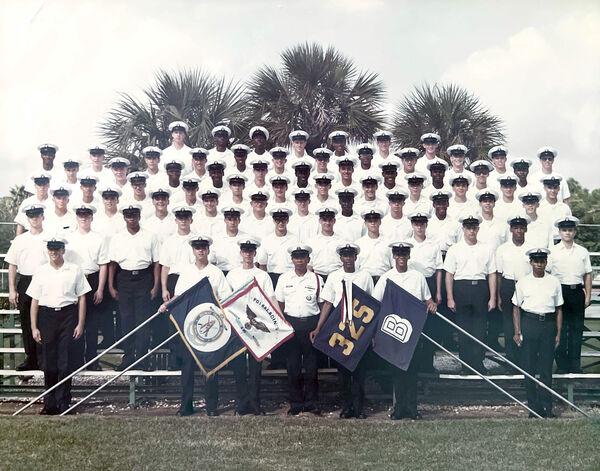
U.S. Navy
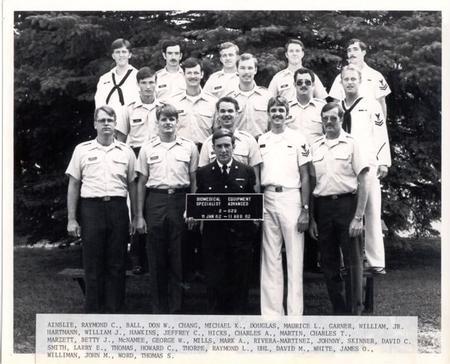
U.S. Navy