
Opening branch overview
Building the branch home surface
Loading branch highlights, featured unit context, and gallery moments.
Overview
Members
Units
Building the branch home surface
Loading branch highlights, featured unit context, and gallery moments.
Building the branch units surface
Loading unit filters, rankings, and the branch unit grid.

30 members•1 unit
Relive and share the memories of your service-time with your brothers and sisters in arms today. VetFriends.com can help you reconnect.
Did you proudly serve in the Naval Hospital Guam?
Are you looking for someone who is or was in the Naval Hospital Guam?
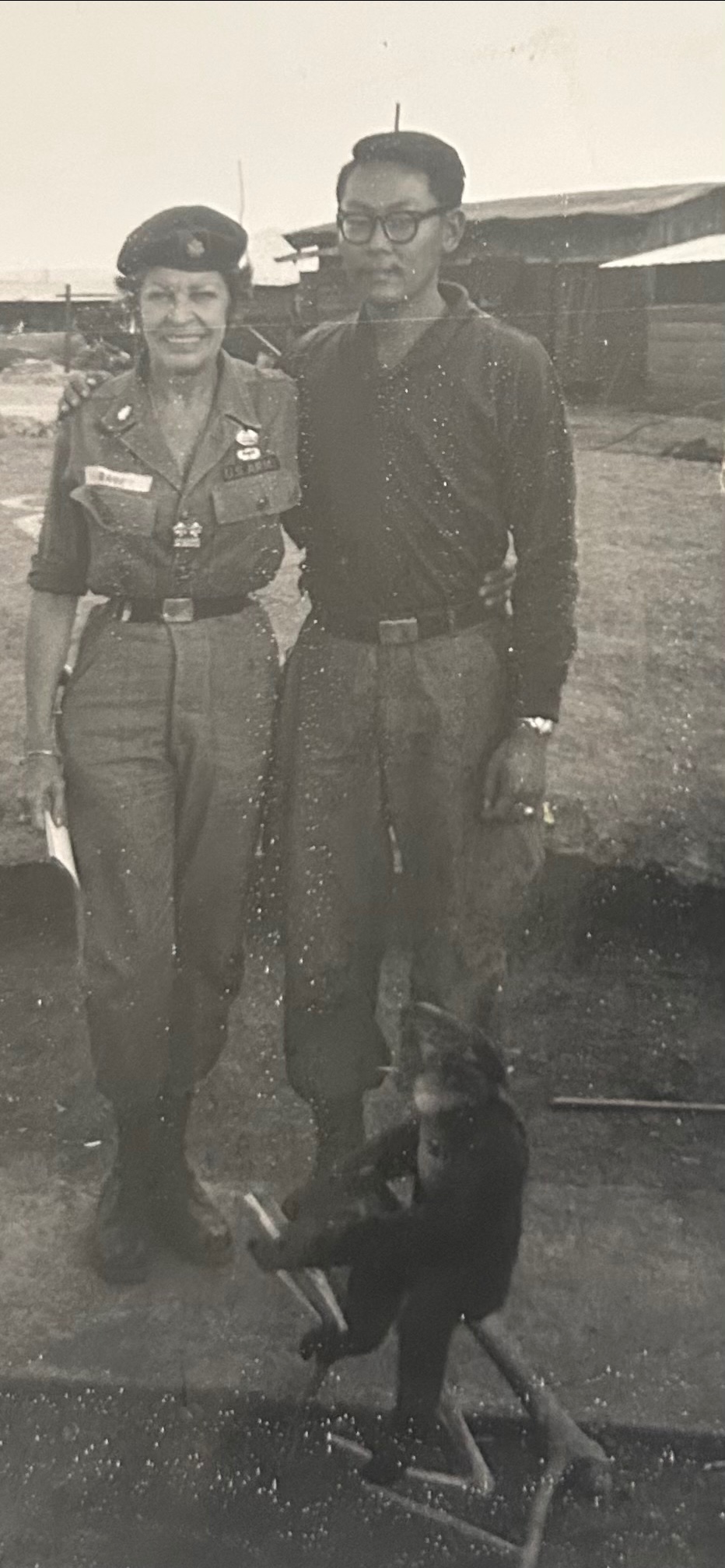
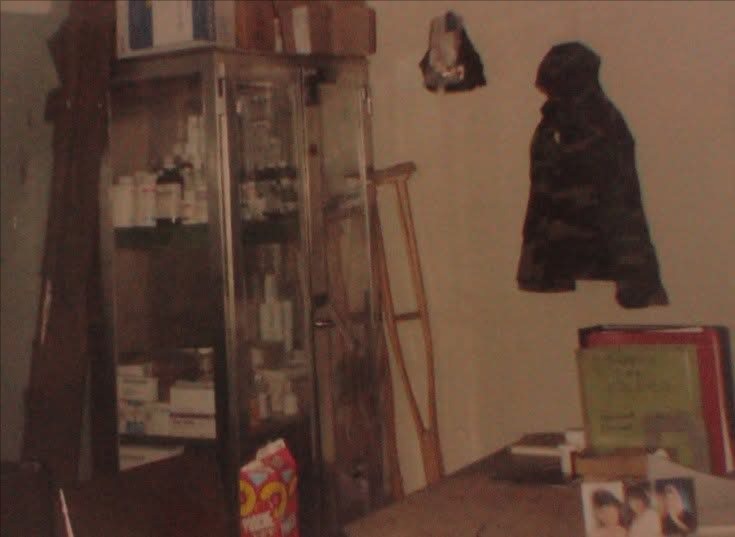
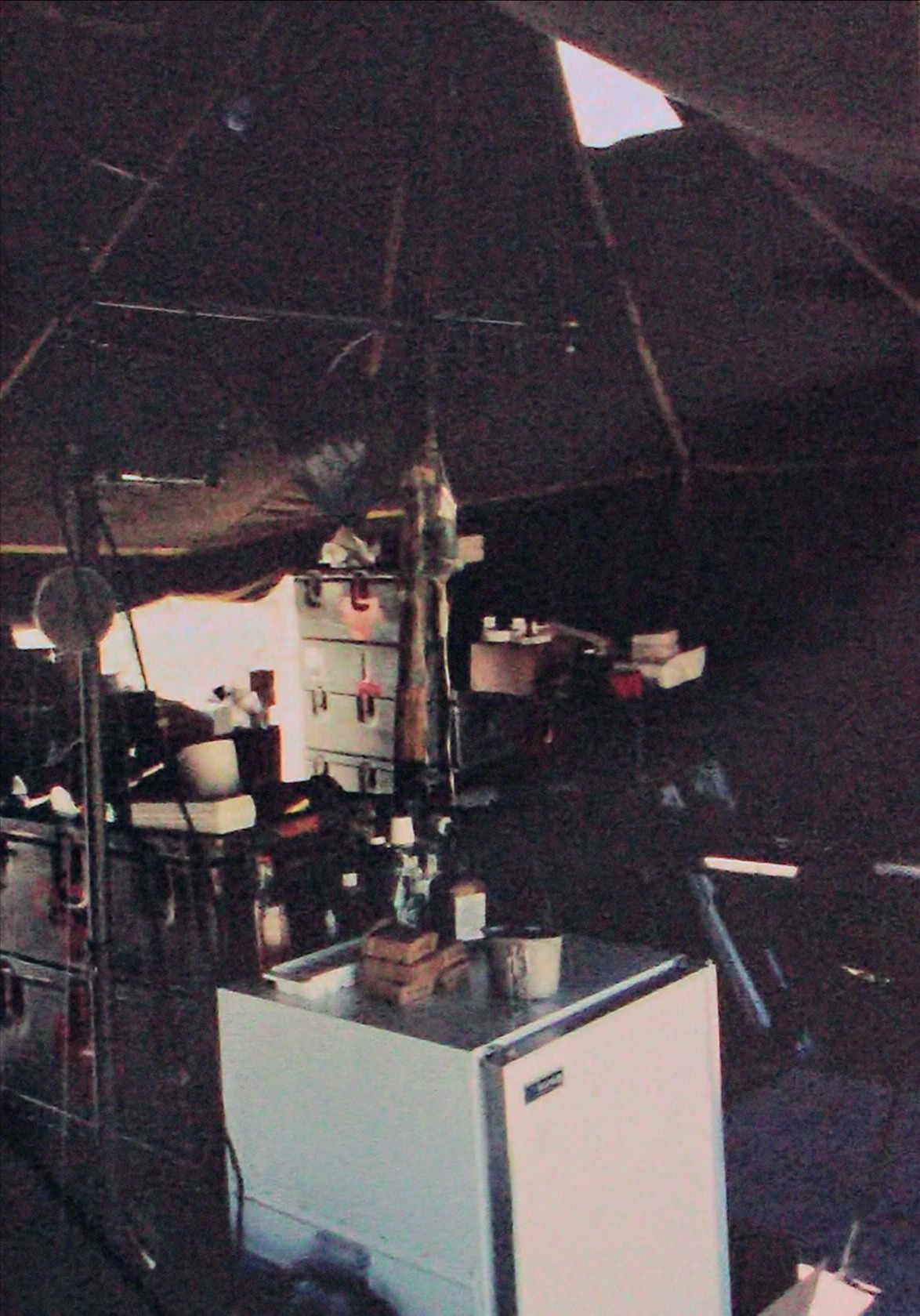
Do you have Naval Hospital Guam photos you'd like to share?
Then join a community with your brothers and sisters of the Naval Hospital Guam.
Branch
U.S. Navy
Members
30
Naval Hospital Guam was established in 1899, following the U.S. acquisition of Guam after the Spanish-American War, making it one of the oldest continuously operating U.S. naval hospitals in the Pacific. During World War II, the hospital played a critical role in treating thousands of American and Allied casualties following the liberation of Guam in 1944. Over the decades, it has provided vital medical support during regional conflicts, humanitarian missions, and natural disasters throughout the Pacific. Today, Naval Hospital Guam remains a key facility for the U.S. Navy, supporting service members, their families, and the local population.
U.S. Navy
U.S. Navy

U.S. Navy
U.S. Navy