
Opening branch overview
Building the branch home surface
Loading branch highlights, featured unit context, and gallery moments.
Overview
Members
Units
Building the branch home surface
Loading branch highlights, featured unit context, and gallery moments.
Building the branch units surface
Loading unit filters, rankings, and the branch unit grid.

3 members•1 unit
Relive and share the memories of your service-time with your brothers and sisters in arms today. VetFriends.com can help you reconnect.
Did you proudly serve in the Naval Facality Cape Hatteras?
Are you looking for someone who is or was in the Naval Facality Cape Hatteras?
Do you have Naval Facality Cape Hatteras photos you'd like to share?
Then join a community with your brothers and sisters of the Naval Facality Cape Hatteras.
Branch
U.S. Navy
Members
3
Naval Facility Cape Hatteras was a United States Navy Sound Surveillance System (SOSUS) shore terminal located on Cape Hatteras, North Carolina. Commissioned in January 1956, it served as a critical node in the early-warning network designed to detect and track Soviet submarines during the Cold War. The facility processed underwater acoustic data collected by an array of underwater listening devices (hydrophones) positioned offshore. After decades of service contributing to U.S. undersea surveillance, Naval Facility Cape Hatteras was decommissioned in June 1982 as technological advancements rendered some SOSUS stations redundant.
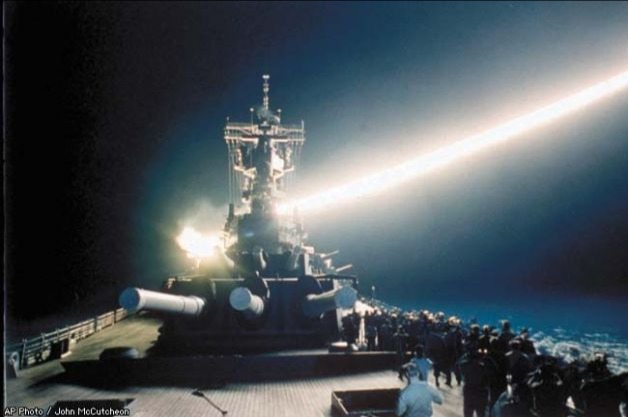
U.S. Navy • 1991
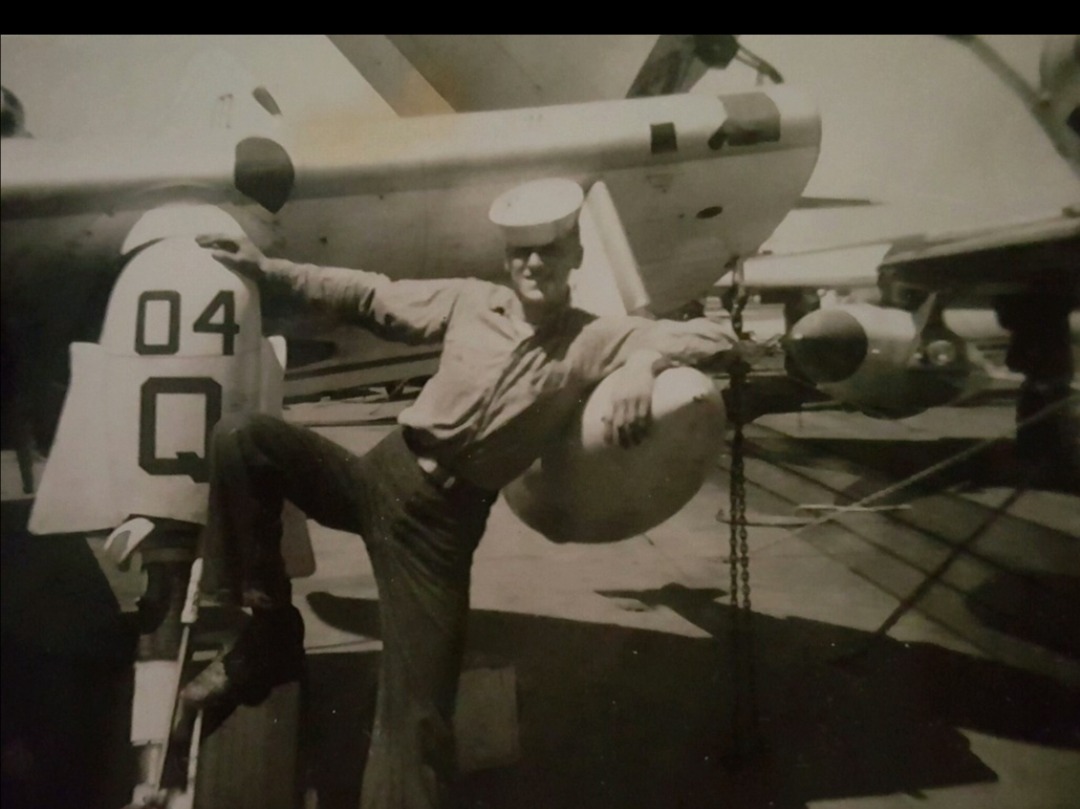
U.S. Navy
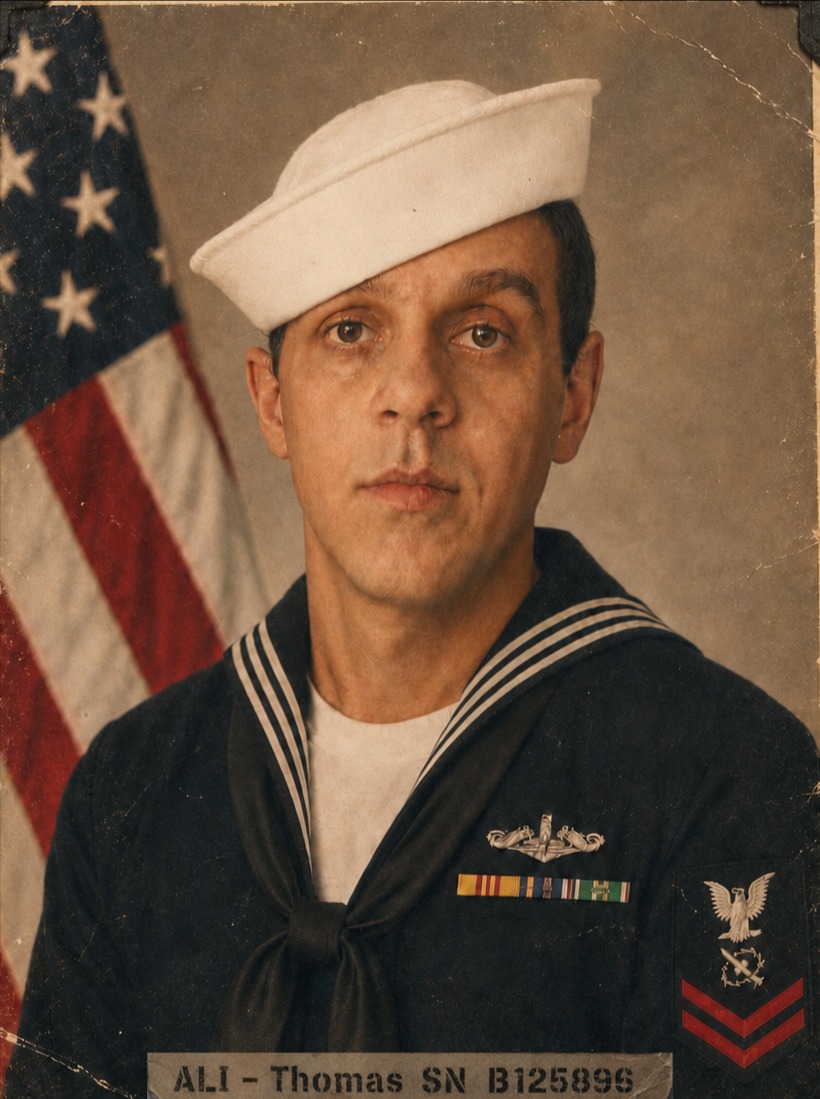
WEAPONS • U.S. Navy • 1968
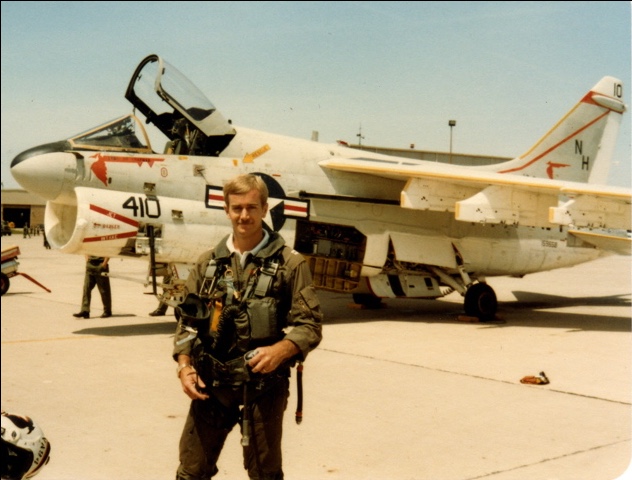
U.S. Navy