
Opening branch overview
Building the branch home surface
Loading branch highlights, featured unit context, and gallery moments.
Overview
Members
Units
Building the branch home surface
Loading branch highlights, featured unit context, and gallery moments.
Building the branch units surface
Loading unit filters, rankings, and the branch unit grid.

22 members•1 unit
Relive and share the memories of your service-time with your brothers and sisters in arms today. VetFriends.com can help you reconnect.
Did you proudly serve in the Naval Damage Control Training Center - Philadelphia?
Are you looking for someone who is or was in the Naval Damage Control Training Center - Philadelphia?
Do you have Naval Damage Control Training Center - Philadelphia photos you'd like to share?
Then join a community with your brothers and sisters of the Naval Damage Control Training Center - Philadelphia.
Branch
U.S. Navy
Members
22
The Naval Damage Control Training Center - Philadelphia was established during World War II to address the urgent need for advanced training in shipboard damage control techniques. Located at the Philadelphia Naval Shipyard, the center provided instruction to thousands of sailors in firefighting, flood control, chemical defense, and emergency repairs to ensure combat survivability of Navy vessels. The facility featured realistic mock-ups and hands-on scenarios, preparing crew members to effectively respond to battle damage at sea. Over the decades, the center played a crucial role in enhancing fleet readiness until its eventual closure as part of post-Cold War military restructuring.
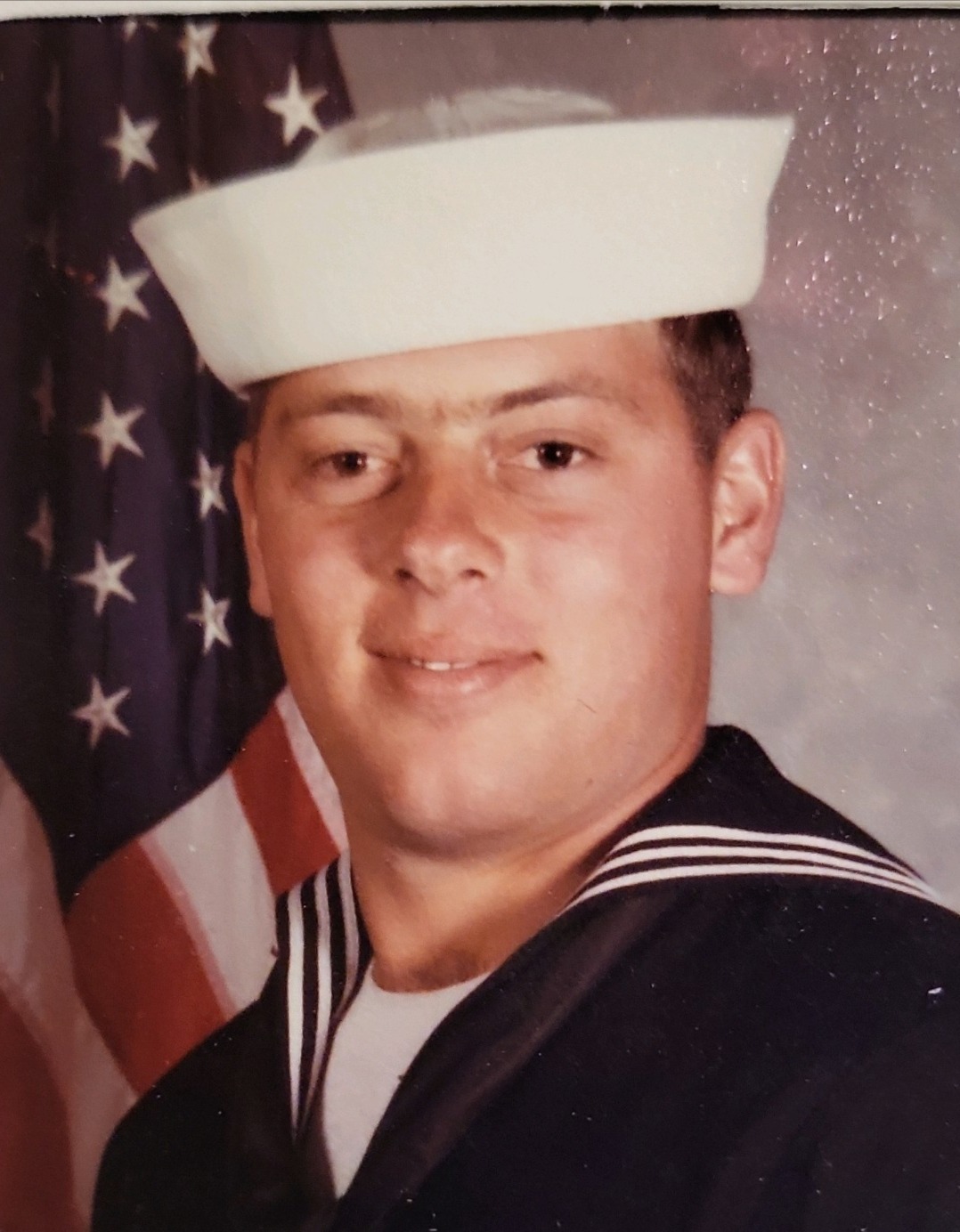
U.S. Navy • 1982

U.S. Navy

U.S. Navy