
Opening branch overview
Building the branch home surface
Loading branch highlights, featured unit context, and gallery moments.
Overview
Members
Units
Building the branch home surface
Loading branch highlights, featured unit context, and gallery moments.
Building the branch units surface
Loading unit filters, rankings, and the branch unit grid.
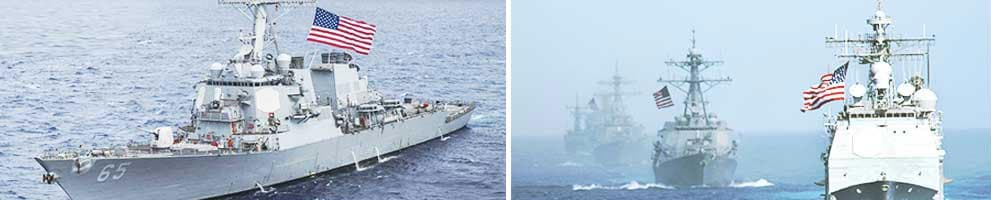
37 members•1 unit
Relive and share the memories of your service-time with your brothers and sisters in arms today. VetFriends.com can help you reconnect.
Did you proudly serve in the Naval Communications Station, Honolulu Hawaii?
Are you looking for someone who is or was in the Naval Communications Station, Honolulu Hawaii?
Do you have Naval Communications Station, Honolulu Hawaii photos you'd like to share?
Then join a community with your brothers and sisters of the Naval Communications Station, Honolulu Hawaii.
Branch
U.S. Navy
Members
37
Naval Communications Station, Honolulu, Hawaii, was established during World War II to support the expanding communications needs of the U.S. Navy in the Pacific Theater. Serving as a vital hub, the station managed secure radio and telegraph traffic between fleets, commands, and allied forces, playing a crucial role during major operations such as the Battle of Midway and the island-hopping campaigns. After the war, the station continued to evolve, adopting new technologies to support Cold War naval operations and Pacific defense initiatives. Today, its legacy endures as part of the broader communications infrastructure underpinning U.S. military readiness in the Indo-Pacific region.

U.S. Navy
U.S. Navy
U.S. Navy • 2015
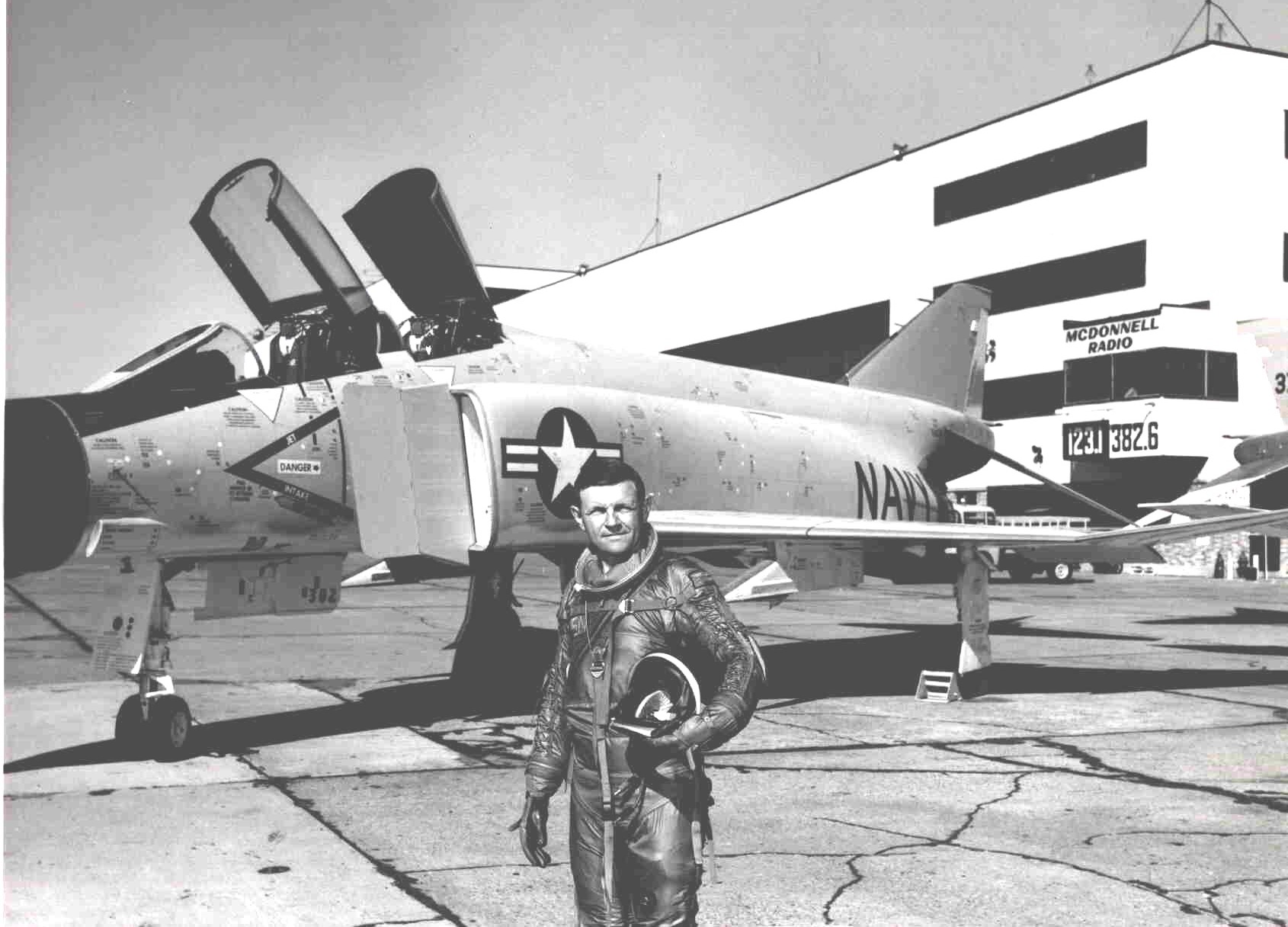
U.S. Navy • 1962