
Opening branch overview
Building the branch home surface
Loading branch highlights, featured unit context, and gallery moments.
Overview
Members
Units
Building the branch home surface
Loading branch highlights, featured unit context, and gallery moments.
Building the branch units surface
Loading unit filters, rankings, and the branch unit grid.

U.S. Navy•46 members
Relive and share the memories of your service-time with your brothers and sisters in arms today. VetFriends.com can help you reconnect.
Did you proudly serve in the Naval Communication Training Center Pensacola FL?
Are you looking for someone who is or was in the Naval Communication Training Center Pensacola FL?
Do you have Naval Communication Training Center Pensacola FL photos you'd like to share?
Then join a community with your brothers and sisters of the Naval Communication Training Center Pensacola FL.
The Naval Communication Training Center (NCTC) Pensacola, Florida, was established to provide specialized instruction in naval communications and information technology for U.S. Navy personnel. Originally formed during World War II, the center played a critical role in training radiomen, cryptologists, and communications specialists who supported naval operations worldwide. Over the decades, NCTC Pensacola adapted its curriculum to include emerging technologies in cyber warfare and digital communications. Today, it remains a vital institution for preparing sailors to meet the challenges of modern naval communications and information dominance.
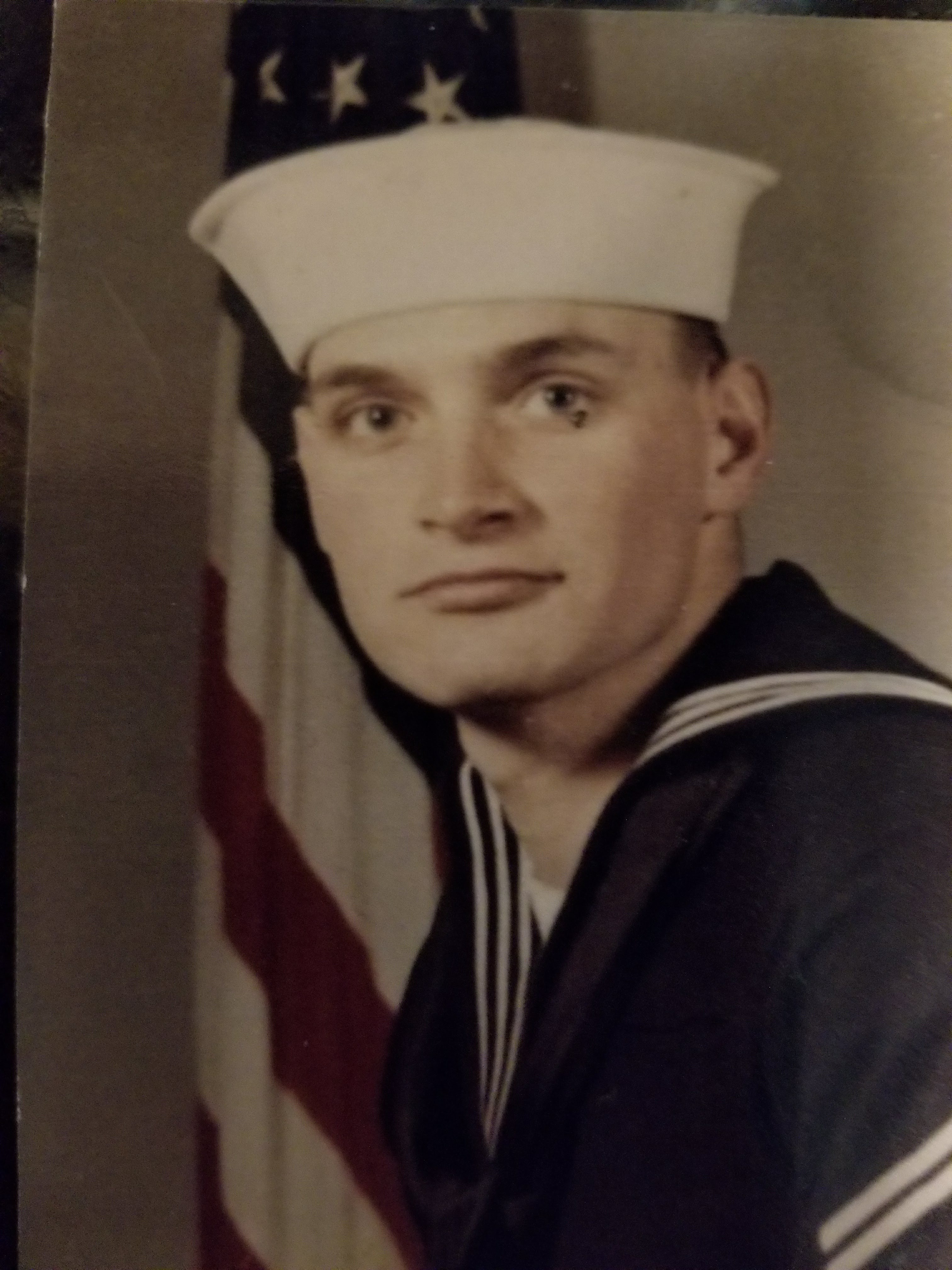
NAVCOMMSTA SAN MIGUEL, PHILLIPIINES • U.S. Navy

U.S. Navy
R&m first division/second • U.S. Navy • 1972

U.S. Navy