
Opening branch overview
Building the branch home surface
Loading branch highlights, featured unit context, and gallery moments.
Overview
Members
Units
Building the branch home surface
Loading branch highlights, featured unit context, and gallery moments.
Building the branch units surface
Loading unit filters, rankings, and the branch unit grid.

4 members•1 unit
Relive and share the memories of your service-time with your brothers and sisters in arms today. VetFriends.com can help you reconnect.
Did you proudly serve in the Naval Aviation Schools Command?
Are you looking for someone who is or was in the Naval Aviation Schools Command?
Do you have Naval Aviation Schools Command photos you'd like to share?
Then join a community with your brothers and sisters of the Naval Aviation Schools Command.
Branch
U.S. Navy
Members
4
The Naval Aviation Schools Command (NASC), headquartered at Naval Air Station Pensacola, Florida, has served as the primary training center for U.S. Navy aviation personnel since its establishment in 1943. Originally created to address the growing need for skilled aviators and support staff during World War II, NASC has continually evolved to incorporate advancements in aviation technology and training methodologies. The command provides foundational education for naval aviators, naval flight officers, and aircrew, focusing on both academic and practical instruction. Over the decades, NASC has played a pivotal role in preparing generations of Navy, Marine Corps, and international aviation professionals for operational service around the globe.

1st medical battalion 1st fssg • U.S. Navy • 1983

U.S. Navy

U.S. Navy
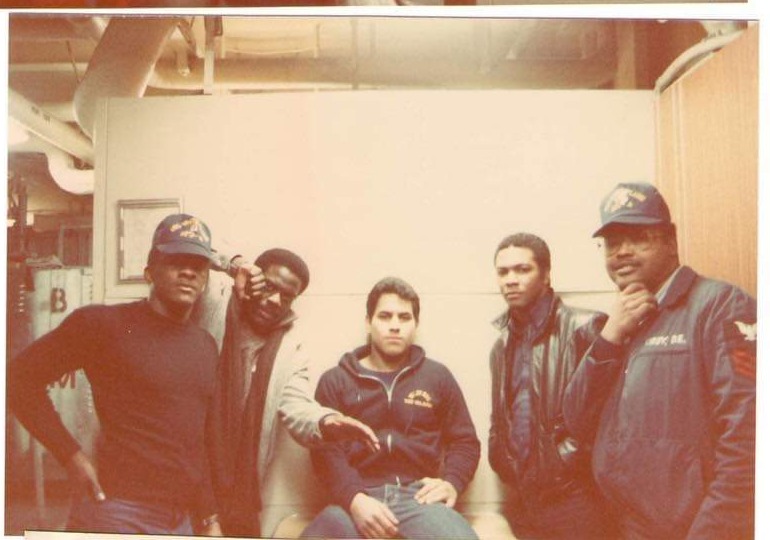
U.S. Navy