
Opening branch overview
Building the branch home surface
Loading branch highlights, featured unit context, and gallery moments.
Overview
Members
Units
Building the branch home surface
Loading branch highlights, featured unit context, and gallery moments.
Building the branch units surface
Loading unit filters, rankings, and the branch unit grid.

12 members•1 unit
Relive and share the memories of your service-time with your brothers and sisters in arms today. VetFriends.com can help you reconnect.
Did you proudly serve in the Naval Ammunition Depot?
Are you looking for someone who is or was in the Naval Ammunition Depot?
Do you have Naval Ammunition Depot photos you'd like to share?
Then join a community with your brothers and sisters of the Naval Ammunition Depot.
Branch
U.S. Navy
Members
12
The Naval Ammunition Depot (NAD) was established during World War II to meet the United States Navy’s urgent need for a centralized facility to store, assemble, and distribute naval munitions. Located at various key sites across the country, such as Hastings, Nebraska, these depots played a crucial role in supplying ammunition to the Pacific and Atlantic fleets. During the war, the NADs operated around the clock, employing thousands of civilians and military personnel to ensure a steady flow of ordnance. After the war, many depots were gradually decommissioned or repurposed, but their legacy remains a testament to the logistical backbone that supported American naval operations during times of conflict.
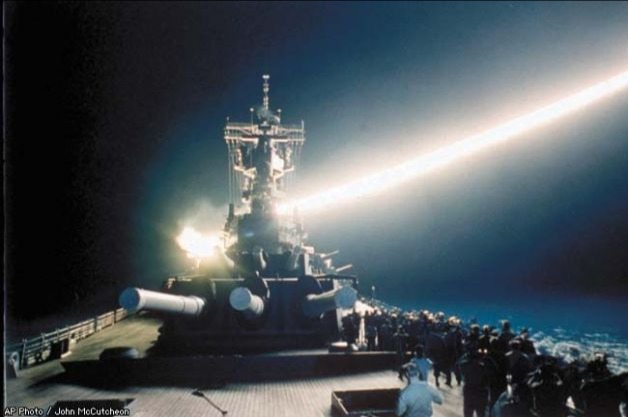
U.S. Navy • 1991
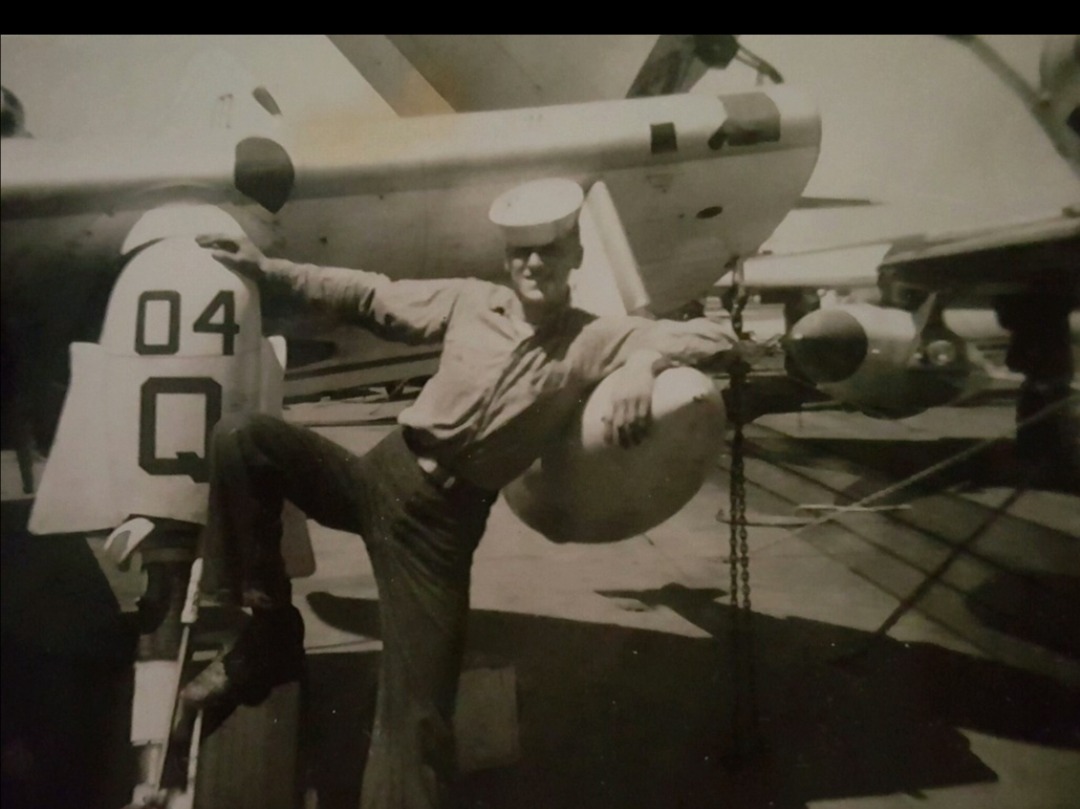
U.S. Navy
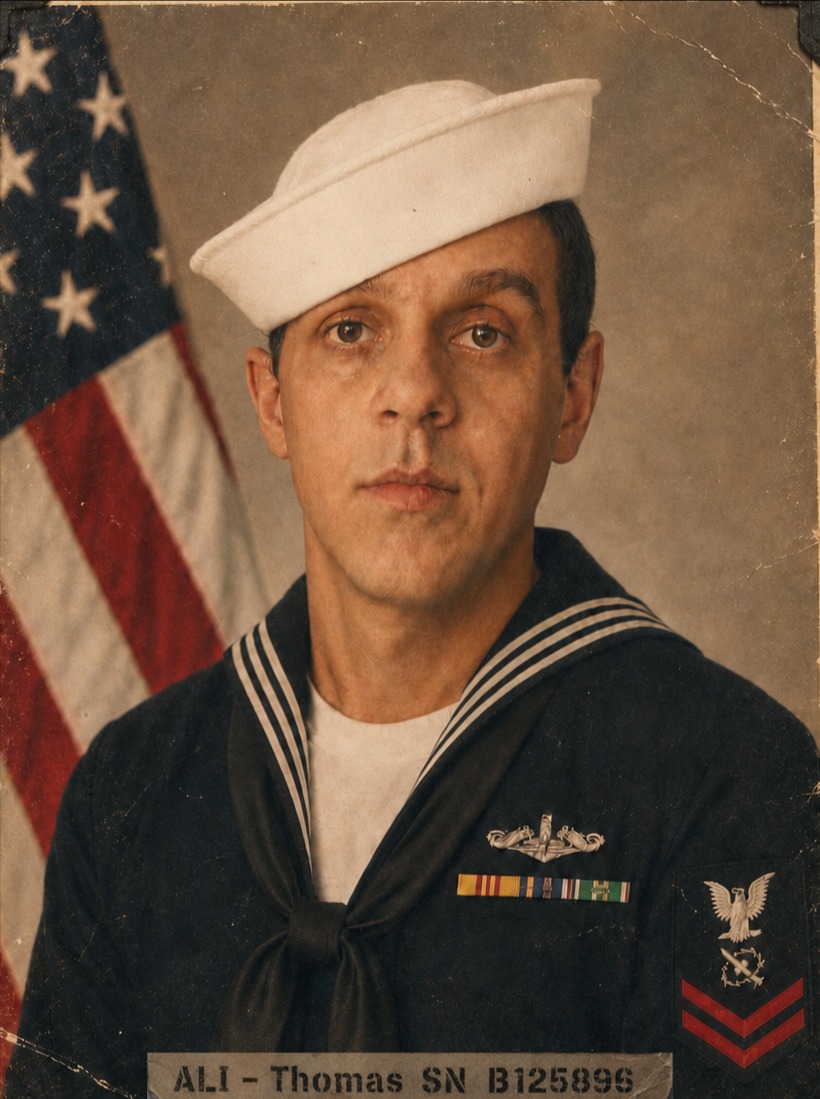
WEAPONS • U.S. Navy • 1968
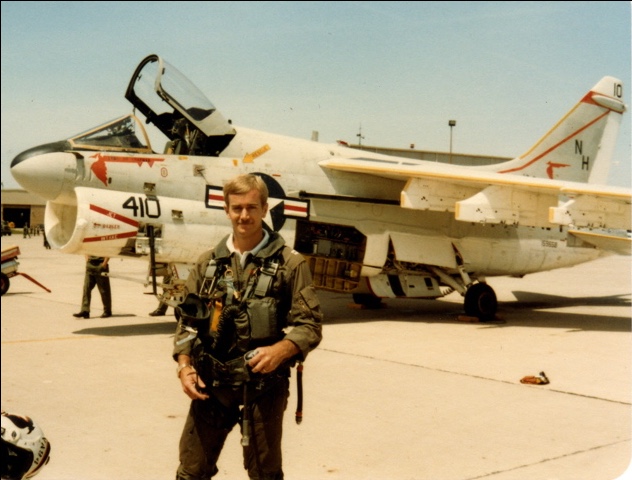
U.S. Navy