
Opening branch overview
Building the branch home surface
Loading branch highlights, featured unit context, and gallery moments.
Overview
Members
Units
Building the branch home surface
Loading branch highlights, featured unit context, and gallery moments.
Building the branch units surface
Loading unit filters, rankings, and the branch unit grid.
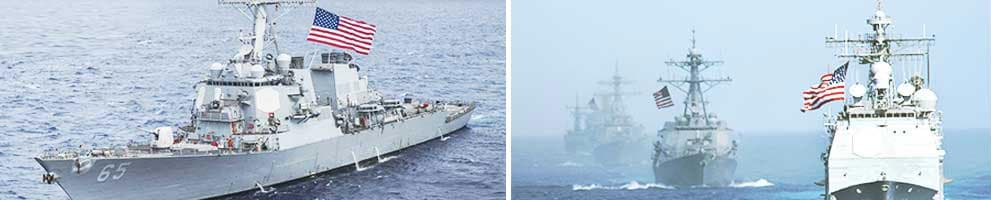
37 members•1 unit
Relive and share the memories of your service-time with your brothers and sisters in arms today. VetFriends.com can help you reconnect.
Did you proudly serve in the Naval Air Station Whidbey Island, Sea Op Det?
Are you looking for someone who is or was in the Naval Air Station Whidbey Island, Sea Op Det?
Do you have Naval Air Station Whidbey Island, Sea Op Det photos you'd like to share?
Then join a community with your brothers and sisters of the Naval Air Station Whidbey Island, Sea Op Det.
Branch
U.S. Navy
Members
37
Naval Air Station Whidbey Island, Sea Operations Detachment (Sea Op Det) was established to support maritime aviation operations in the Pacific Northwest. Since its inception during World War II, the detachment has played a vital role in providing logistical and operational support for carrier-based aircraft and maritime patrol missions. Throughout the Cold War and into the modern era, Sea Op Det has been instrumental in supporting fleet exercises, search and rescue operations, and joint training with allied forces. Today, it continues to enhance the readiness and capabilities of Navy aviation units operating from NAS Whidbey Island.

U.S. Air Force • 1966