
Opening branch overview
Building the branch home surface
Loading branch highlights, featured unit context, and gallery moments.
Overview
Members
Units
Building the branch home surface
Loading branch highlights, featured unit context, and gallery moments.
Building the branch units surface
Loading unit filters, rankings, and the branch unit grid.

U.S. Navy•59 members
Relive and share the memories of your service-time with your brothers and sisters in arms today. VetFriends.com can help you reconnect.
Did you proudly serve in the NAVAL AIR FACILITY ADAK?
Are you looking for someone who is or was in the NAVAL AIR FACILITY ADAK?
Do you have NAVAL AIR FACILITY ADAK photos you'd like to share?
Then join a community with your brothers and sisters of the NAVAL AIR FACILITY ADAK.
Naval Air Facility Adak was established during World War II on Adak Island in the Aleutian Islands, Alaska, to serve as a forward operating base against Japanese forces occupying nearby islands. Commissioned in 1942, the facility played a crucial role in supporting air operations, antisubmarine patrols, and logistical missions throughout the Aleutian Campaign. After the war, NAF Adak continued to serve as a strategic Cold War outpost, hosting maritime patrol aircraft and supporting surveillance operations in the North Pacific. The facility was eventually closed in 1997 as part of post-Cold War realignment and base closures, ending its long-standing role in U.S. military history.
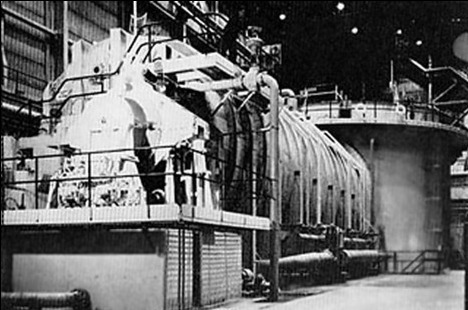
NPTU IDAHO • U.S. Navy • 1972
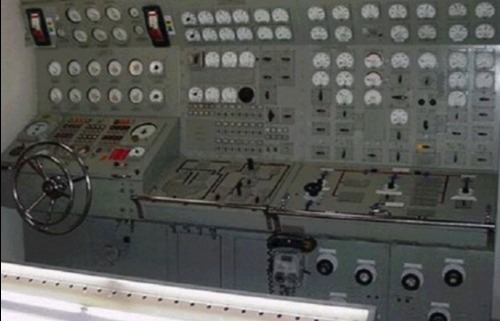
NPTU IDAHO • U.S. Navy • 1978
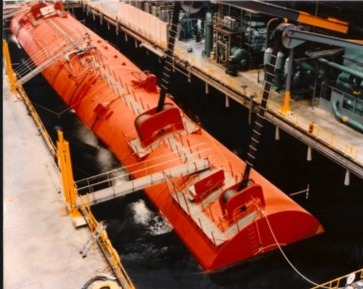
NPTU IDAHO • U.S. Navy • 1978

USS EDSON DD946 • U.S. Navy • 1973