
Opening branch overview
Building the branch home surface
Loading branch highlights, featured unit context, and gallery moments.
Overview
Members
Units
Building the branch home surface
Loading branch highlights, featured unit context, and gallery moments.
Building the branch units surface
Loading unit filters, rankings, and the branch unit grid.

12 members•1 unit
Relive and share the memories of your service-time with your brothers and sisters in arms today. VetFriends.com can help you reconnect.
Did you proudly serve in the NAS Sand Point Seattle?
Are you looking for someone who is or was in the NAS Sand Point Seattle?
Do you have NAS Sand Point Seattle photos you'd like to share?
Then join a community with your brothers and sisters of the NAS Sand Point Seattle.
Branch
U.S. Navy
Members
12
Naval Air Station (NAS) Sand Point, located in Seattle, Washington, was commissioned in 1920 as a key aviation facility for the U.S. Navy. Throughout the interwar period and World War II, NAS Sand Point served as a vital training and support base for naval aviators and aircraft operations in the Pacific Northwest. The station played a significant role in aircraft assembly, maintenance, and pilot training, contributing to the U.S. Navy's aerial readiness during critical wartime years. After the war, the base's importance declined, and it was eventually decommissioned in 1970, with much of the site later repurposed for civilian use, including Magnuson Park.
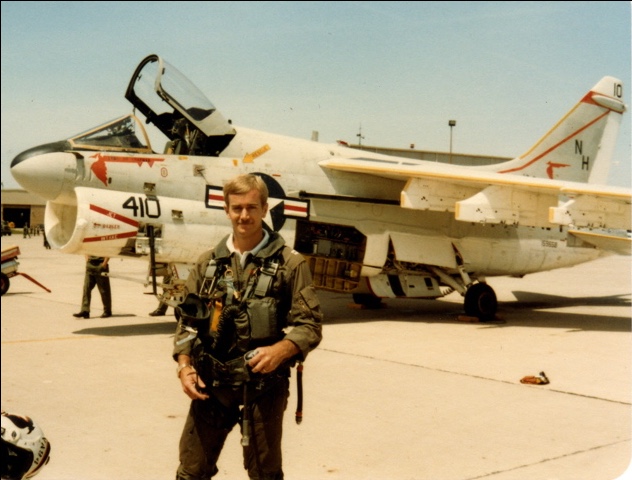
U.S. Navy
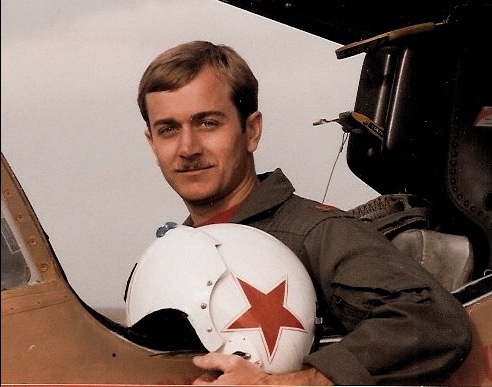
U.S. Navy
U.S. Navy
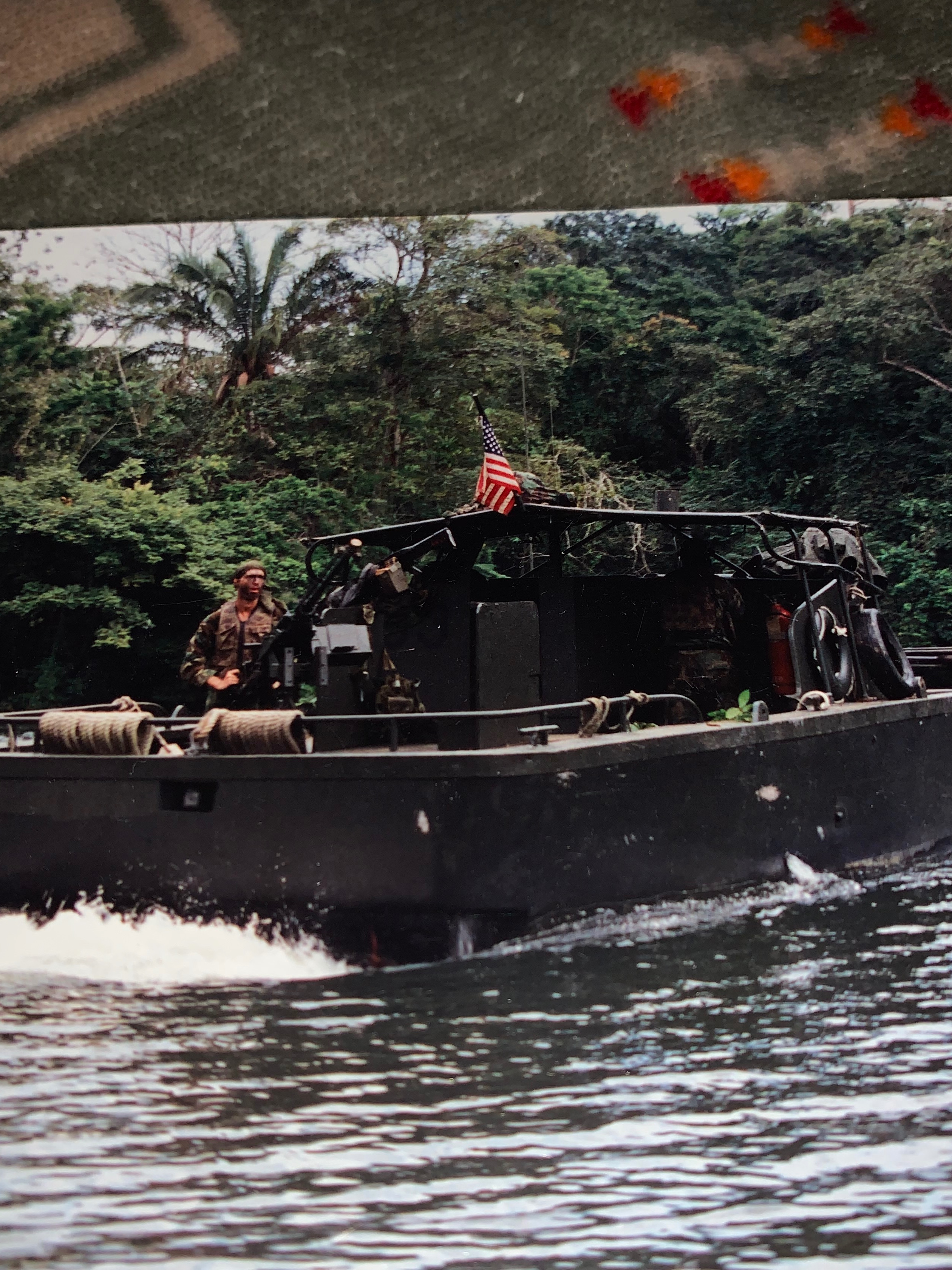
U.S. Navy