
Opening branch overview
Building the branch home surface
Loading branch highlights, featured unit context, and gallery moments.
Overview
Members
Units
Building the branch home surface
Loading branch highlights, featured unit context, and gallery moments.
Building the branch units surface
Loading unit filters, rankings, and the branch unit grid.

2 members•1 unit
Relive and share the memories of your service-time with your brothers and sisters in arms today. VetFriends.com can help you reconnect.
Did you proudly serve in the NAS San Nicolas Island?
Are you looking for someone who is or was in the NAS San Nicolas Island?
Do you have NAS San Nicolas Island photos you'd like to share?
Then join a community with your brothers and sisters of the NAS San Nicolas Island.
Branch
U.S. Navy
Members
2
Naval Air Station (NAS) San Nicolas Island, located off the coast of Southern California, has served as a critical asset to the U.S. military since World War II. Originally established in 1944, the island was used by the U.S. Navy as a bombing and gunnery range, supporting the training and development of naval aviators. Over the decades, NAS San Nicolas Island evolved into a premier site for missile testing, weapons evaluation, and advanced research, playing a pivotal role in the development of guided missile technology, including the Regulus cruise missile program. Today, the installation operates as a remote outpost under Naval Base Ventura County, supporting missile launches, unmanned aerial vehicle operations, and a variety of cutting-edge naval research and training missions.
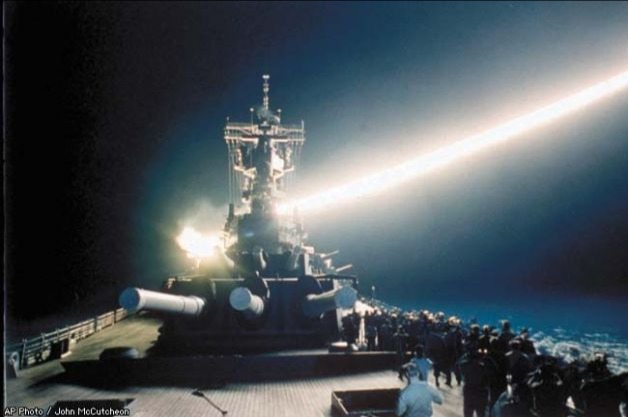
U.S. Navy • 1991
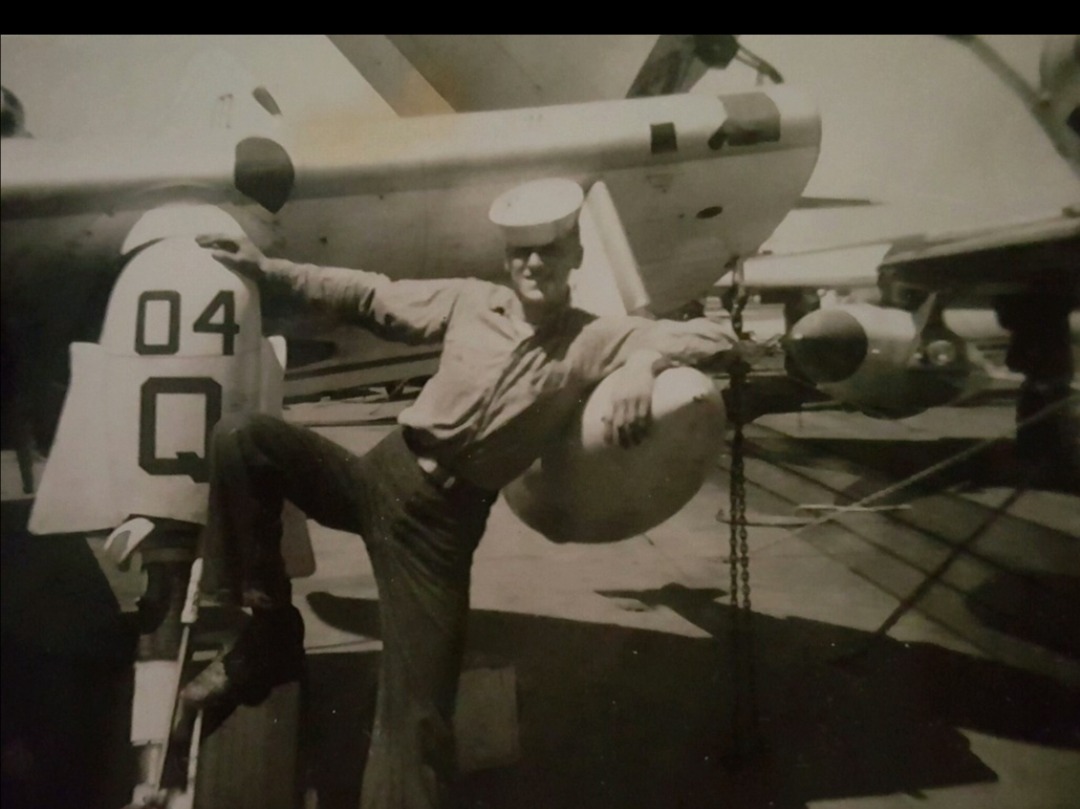
U.S. Navy
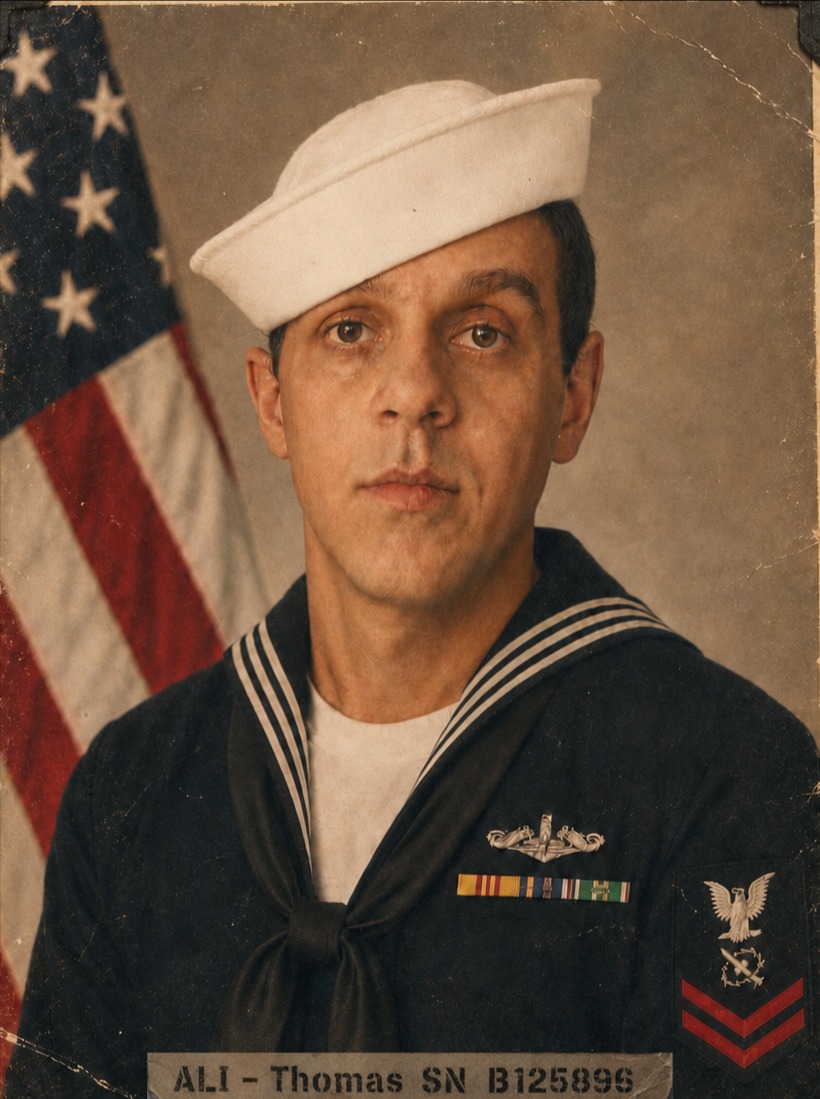
WEAPONS • U.S. Navy • 1968
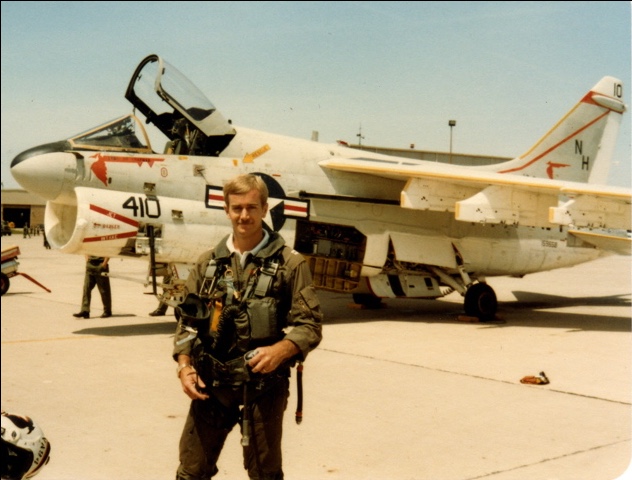
U.S. Navy