
Opening branch overview
Building the branch home surface
Loading branch highlights, featured unit context, and gallery moments.
Overview
Members
Units
Building the branch home surface
Loading branch highlights, featured unit context, and gallery moments.
Building the branch units surface
Loading unit filters, rankings, and the branch unit grid.

113 members•1 unit
Relive and share the memories of your service-time with your brothers and sisters in arms today. VetFriends.com can help you reconnect.
Did you proudly serve in the NAS Patuxent River MD?
Are you looking for someone who is or was in the NAS Patuxent River MD?
Do you have NAS Patuxent River MD photos you'd like to share?
Then join a community with your brothers and sisters of the NAS Patuxent River MD.
Branch
U.S. Navy
Members
113
Naval Air Station Patuxent River (NAS Pax River), established in April 1943 in St. Mary’s County, Maryland, quickly became a vital center for naval aviation testing and development during World War II. Its strategic location allowed for secure and expansive test ranges, accelerating the advancement of aircraft and flight systems for the U.S. Navy. Over the decades, NAS Patuxent River has served as the headquarters for Naval Air Systems Command (NAVAIR) and hosts the U.S. Naval Test Pilot School, supporting cutting-edge aviation research, development, and training. Today, the base remains a cornerstone of naval aviation innovation, playing a crucial role in testing new aircraft and technology for the fleet.

U.S. Navy

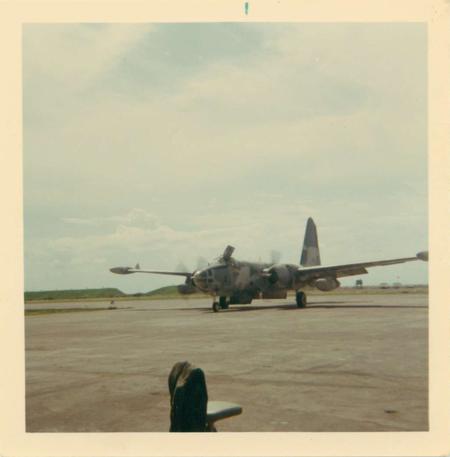
Project Trim/VAH21 • U.S. Navy • 1968
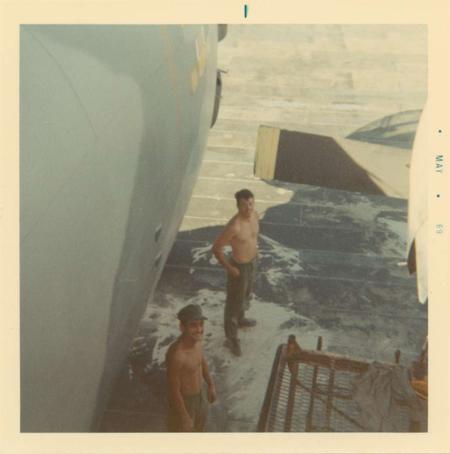
Project Trim/VAH21 • U.S. Navy • 1968