
Opening branch overview
Building the branch home surface
Loading branch highlights, featured unit context, and gallery moments.
Overview
Members
Units
Building the branch home surface
Loading branch highlights, featured unit context, and gallery moments.
Building the branch units surface
Loading unit filters, rankings, and the branch unit grid.

24 members•1 unit
Relive and share the memories of your service-time with your brothers and sisters in arms today. VetFriends.com can help you reconnect.
Did you proudly serve in the NAS Guantanamo Bay, Cuba?
Are you looking for someone who is or was in the NAS Guantanamo Bay, Cuba?
Do you have NAS Guantanamo Bay, Cuba photos you'd like to share?
Then join a community with your brothers and sisters of the NAS Guantanamo Bay, Cuba.
Branch
U.S. Navy
Members
24
Naval Air Station (NAS) Guantanamo Bay, Cuba, was officially commissioned in 1917, making it one of the oldest U.S. naval installations overseas. Initially established to provide coaling facilities and support for the U.S. fleet in the Caribbean, the station expanded its role during World War II, serving as a vital training and anti-submarine warfare base. Throughout the Cold War, NAS Guantanamo Bay played a crucial part in regional surveillance and as a staging area during events such as the Cuban Missile Crisis in 1962. Today, while its air operations are limited, the base continues to provide strategic support and logistical functions for U.S. military operations in the region.
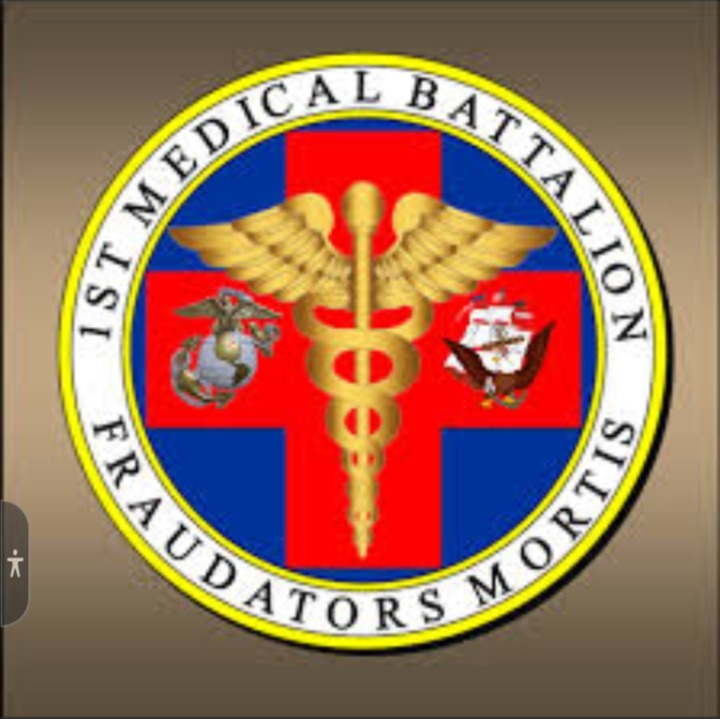
1ST MEDICAL BATTALION • U.S. Navy • 1983
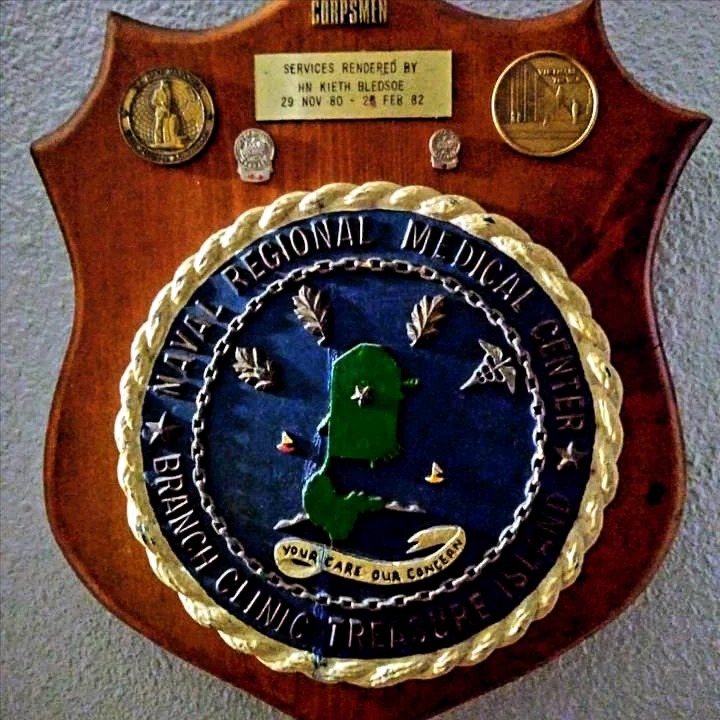
NAVAL REGIONAL MEDICAL CENTER OAKLAND, CA • U.S. Navy • 1980
U.S. Navy

U.S. Navy