
Opening branch overview
Building the branch home surface
Loading branch highlights, featured unit context, and gallery moments.
Overview
Members
Units
Building the branch home surface
Loading branch highlights, featured unit context, and gallery moments.
Building the branch units surface
Loading unit filters, rankings, and the branch unit grid.

33 members•1 unit
Relive and share the memories of your service-time with your brothers and sisters in arms today. VetFriends.com can help you reconnect.
Did you proudly serve in the NAS Cubi Point, Subic Bay, Philippines?
Are you looking for someone who is or was in the NAS Cubi Point, Subic Bay, Philippines?
Do you have NAS Cubi Point, Subic Bay, Philippines photos you'd like to share?
Then join a community with your brothers and sisters of the NAS Cubi Point, Subic Bay, Philippines.
Branch
U.S. Navy
Members
33
Naval Air Station (NAS) Cubi Point was established in 1956 at Subic Bay, Philippines, and quickly became a vital logistical and operational hub for the United States Navy in the Western Pacific. Constructed by the U.S. Navy Seabees, the base featured a unique pier and airfield complex carved directly from mountainous jungle terrain. Throughout the Vietnam War and the Cold War, NAS Cubi Point provided critical support for carrier-based aircraft, serving as a major repair, supply, and rest-and-recreation facility. The station remained active until its closure in 1992, following the expiration of the U.S.-Philippines base agreement, marking the end of an era for American naval presence in the region.
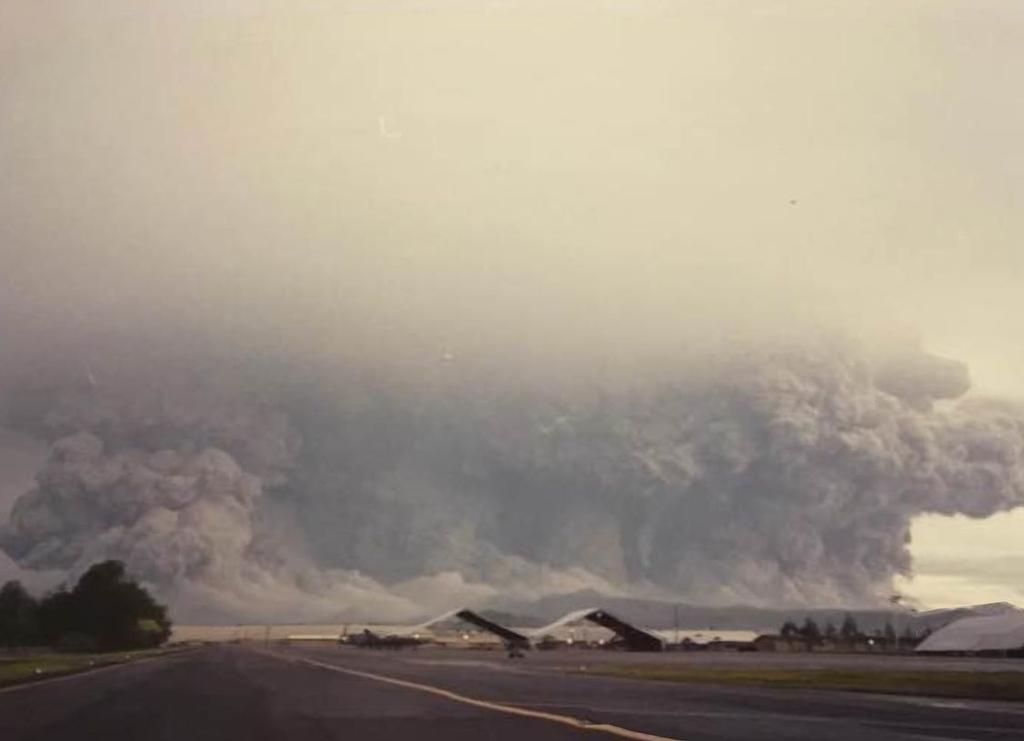
U.S. Navy • 1988
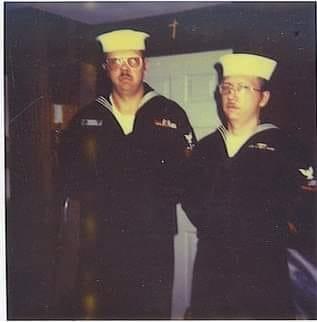
U.S. Navy • 1988

U.S. Navy • 1988
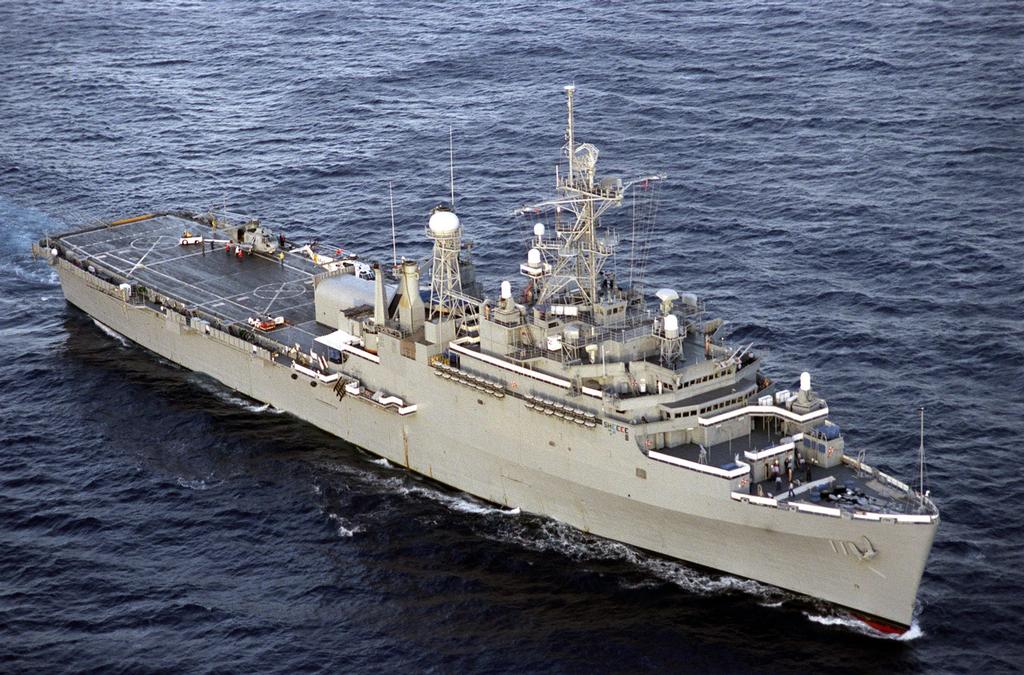
U.S. Navy • 1988