
Opening branch overview
Building the branch home surface
Loading branch highlights, featured unit context, and gallery moments.
Overview
Members
Units
Building the branch home surface
Loading branch highlights, featured unit context, and gallery moments.
Building the branch units surface
Loading unit filters, rankings, and the branch unit grid.

U.S. Navy•45 members
Relive and share the memories of your service-time with your brothers and sisters in arms today. VetFriends.com can help you reconnect.
Did you proudly serve in the NAS Cecil Field?
Are you looking for someone who is or was in the NAS Cecil Field?
Do you have NAS Cecil Field photos you'd like to share?
Then join a community with your brothers and sisters of the NAS Cecil Field.
Naval Air Station (NAS) Cecil Field, located in Jacksonville, Florida, was commissioned in 1941 as a key training base for naval aviators during World War II. Throughout the Cold War era, it became a principal master jet base for the U.S. Navy, supporting carrier-based attack and fighter squadrons, including those flying the A-7 Corsair II and F/A-18 Hornet. Cecil Field played a significant role in preparing squadrons for deployment during conflicts such as the Vietnam War and Operation Desert Storm. The base was closed as an active military installation in 1999 as part of the Base Realignment and Closure (BRAC) process, but its legacy continues through its repurposing as a civilian airport and support facility for military reserve units.
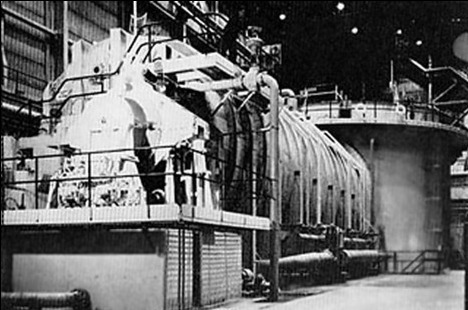
NPTU IDAHO • U.S. Navy • 1972
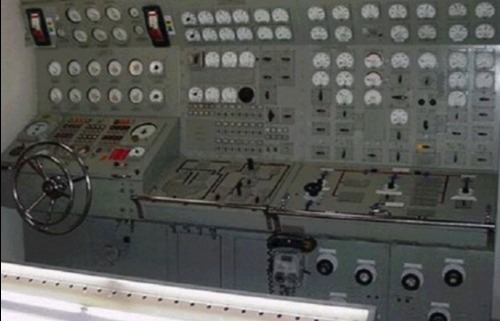
NPTU IDAHO • U.S. Navy • 1978
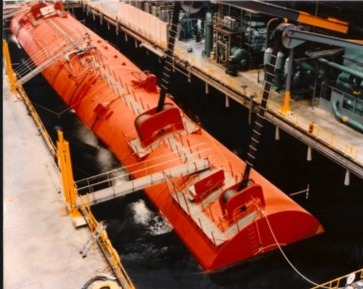
NPTU IDAHO • U.S. Navy • 1978
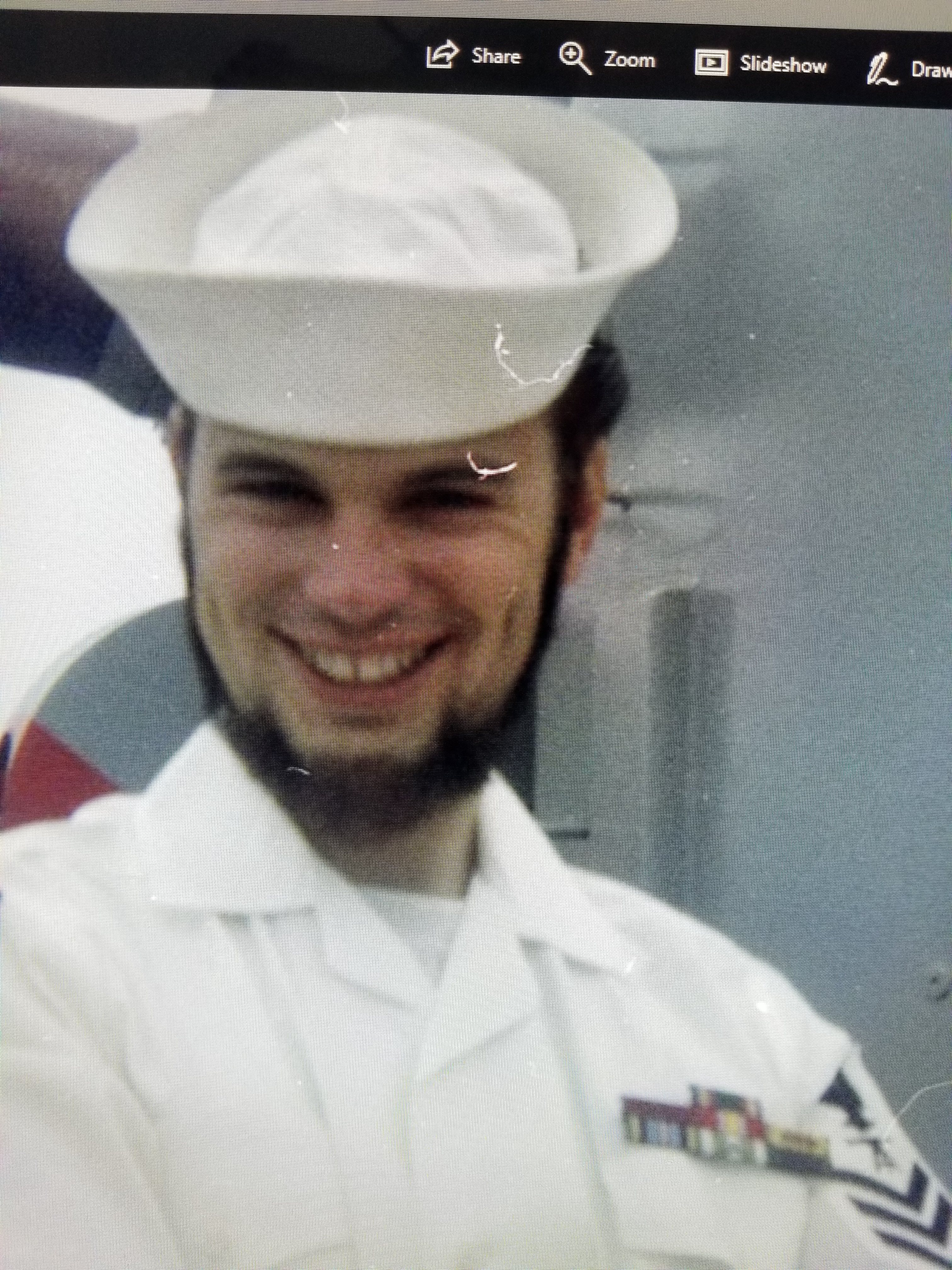
USS EDSON DD946 • U.S. Navy • 1973