
Opening branch overview
Building the branch home surface
Loading branch highlights, featured unit context, and gallery moments.
Overview
Members
Units
Building the branch home surface
Loading branch highlights, featured unit context, and gallery moments.
Building the branch units surface
Loading unit filters, rankings, and the branch unit grid.

U.S. Navy•2 members
Relive and share the memories of your service-time with your brothers and sisters in arms today. VetFriends.com can help you reconnect.
Did you proudly serve in the NARF Pensacola FL?
Are you looking for someone who is or was in the NARF Pensacola FL?
Do you have NARF Pensacola FL photos you'd like to share?
Then join a community with your brothers and sisters of the NARF Pensacola FL.
Naval Air Rework Facility (NARF) Pensacola, FL, was established during World War II as a critical maintenance and repair hub for U.S. Navy aircraft. Located at Naval Air Station Pensacola, the facility specialized in the overhaul, repair, and modification of a wide variety of naval aircraft and their components. Throughout the Cold War and into the late 20th century, NARF Pensacola played a vital role in supporting fleet readiness and technological advancements in naval aviation. In the 1990s, the facility was redesignated as the Naval Aviation Depot (NADEP) Pensacola before its eventual closure as part of a broader realignment of Navy maintenance operations.
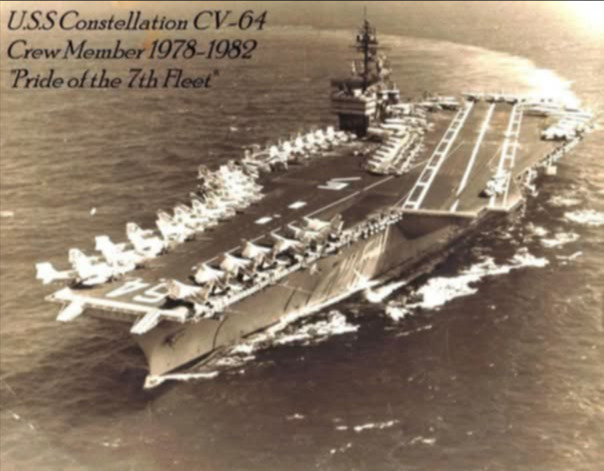
U.S. Navy
U.S. Navy
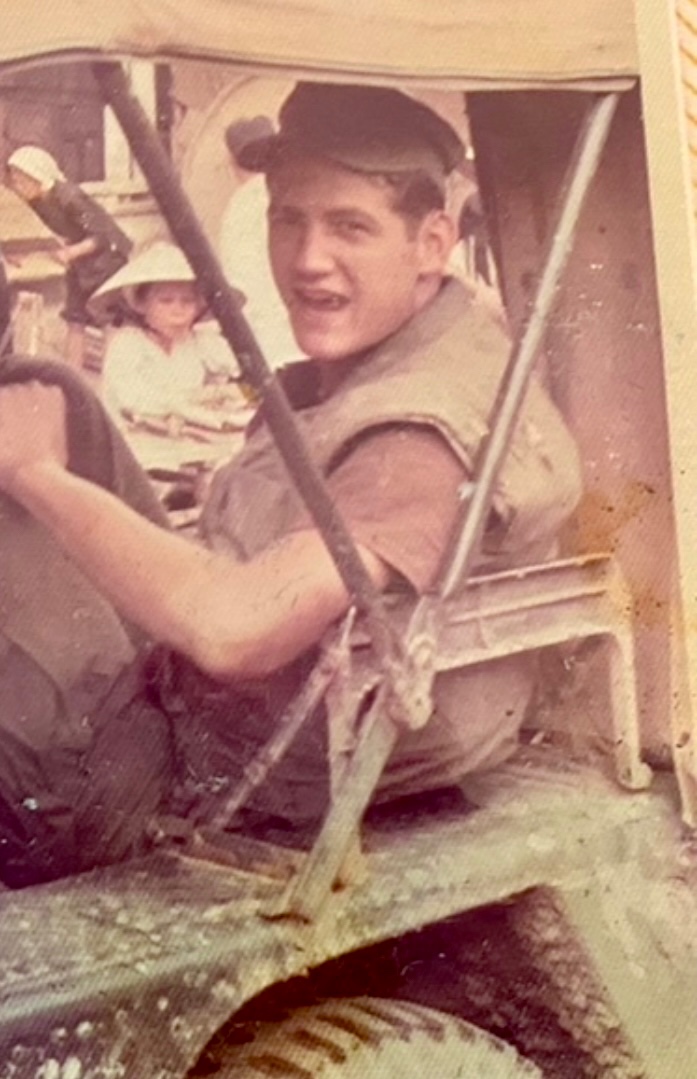
U.S. Navy

U.S. Navy