
Opening branch overview
Building the branch home surface
Loading branch highlights, featured unit context, and gallery moments.
Overview
Members
Units
Building the branch home surface
Loading branch highlights, featured unit context, and gallery moments.
Building the branch units surface
Loading unit filters, rankings, and the branch unit grid.

3 members•1 unit
Relive and share the memories of your service-time with your brothers and sisters in arms today. VetFriends.com can help you reconnect.
Did you proudly serve in the NAMCOMSTA Kodiak AK?
Are you looking for someone who is or was in the NAMCOMSTA Kodiak AK?
Do you have NAMCOMSTA Kodiak AK photos you'd like to share?
Then join a community with your brothers and sisters of the NAMCOMSTA Kodiak AK.
Branch
U.S. Navy
Members
3
Naval Communications Station Kodiak, Alaska (NAMCOMSTA Kodiak, AK) was established during World War II as a vital communications hub supporting U.S. Navy operations in the North Pacific. Located on Kodiak Island, the station played a pivotal role in relaying messages between Pacific Fleet units and headquarters, especially during the Aleutian Islands Campaign. After the war, NAMCOMSTA Kodiak continued to serve as a key site for naval communications and electronic intelligence throughout the Cold War, adapting to advances in technology and shifting strategic priorities. The station’s presence contributed significantly to U.S. military readiness in the Arctic and North Pacific until its eventual deactivation and transition to other uses.
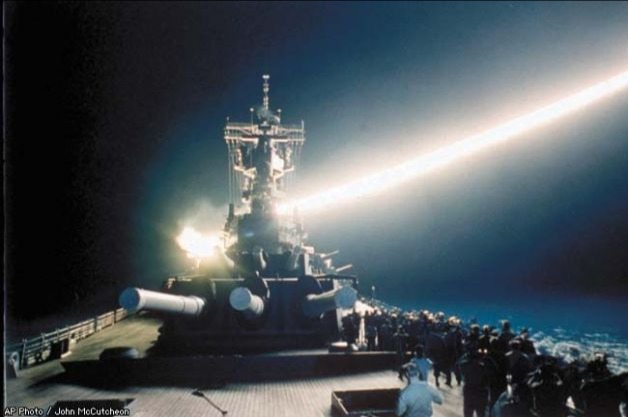
U.S. Navy • 1991
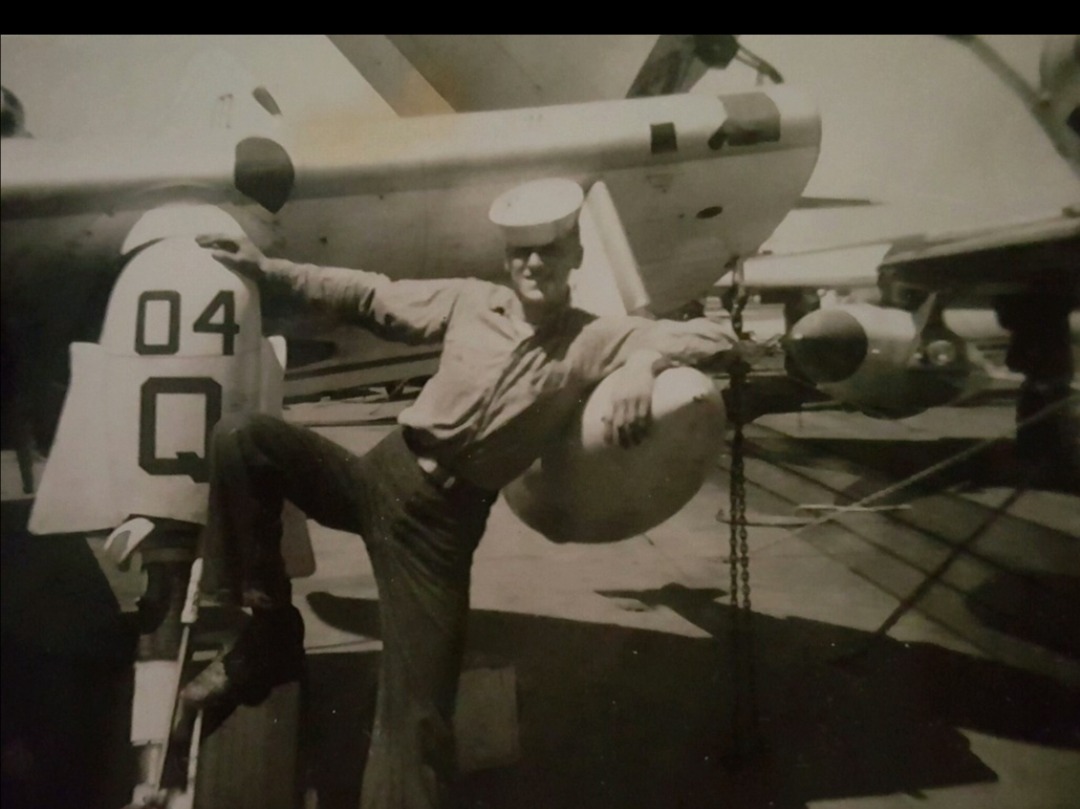
U.S. Navy
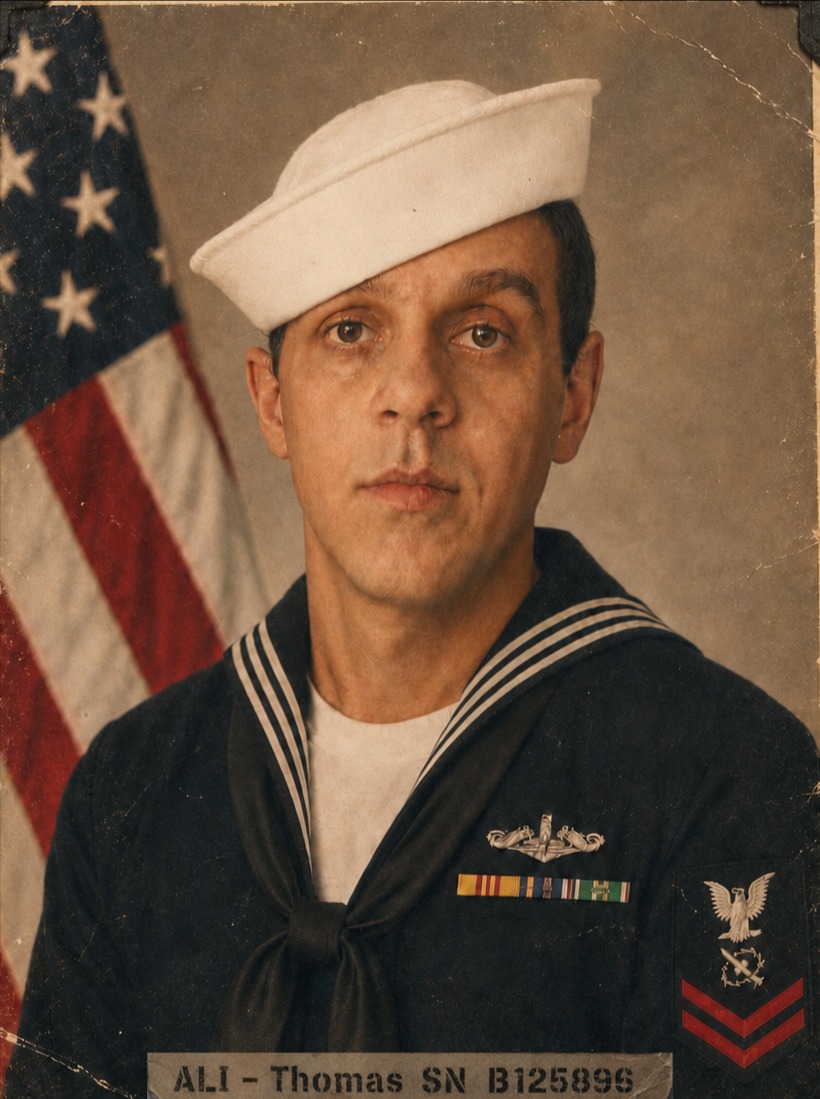
WEAPONS • U.S. Navy • 1968
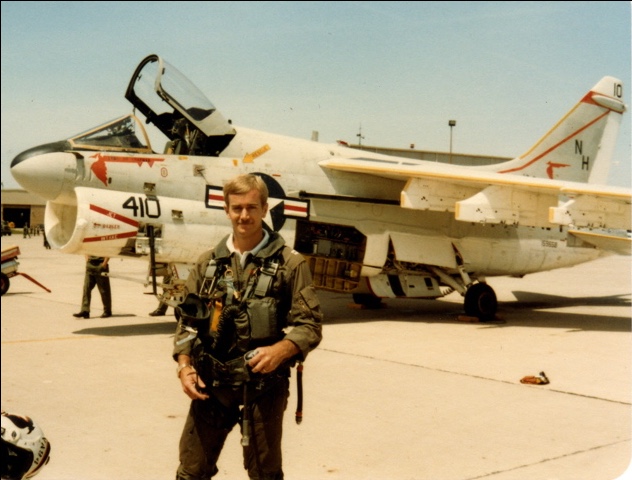
U.S. Navy