
Opening branch overview
Building the branch home surface
Loading branch highlights, featured unit context, and gallery moments.
Overview
Members
Units
Building the branch home surface
Loading branch highlights, featured unit context, and gallery moments.
Building the branch units surface
Loading unit filters, rankings, and the branch unit grid.

8 members•1 unit
Relive and share the memories of your service-time with your brothers and sisters in arms today. VetFriends.com can help you reconnect.
Did you proudly serve in the NALF San Clemente Island?
Are you looking for someone who is or was in the NALF San Clemente Island?
Do you have NALF San Clemente Island photos you'd like to share?
Then join a community with your brothers and sisters of the NALF San Clemente Island.
Branch
U.S. Navy
Members
8
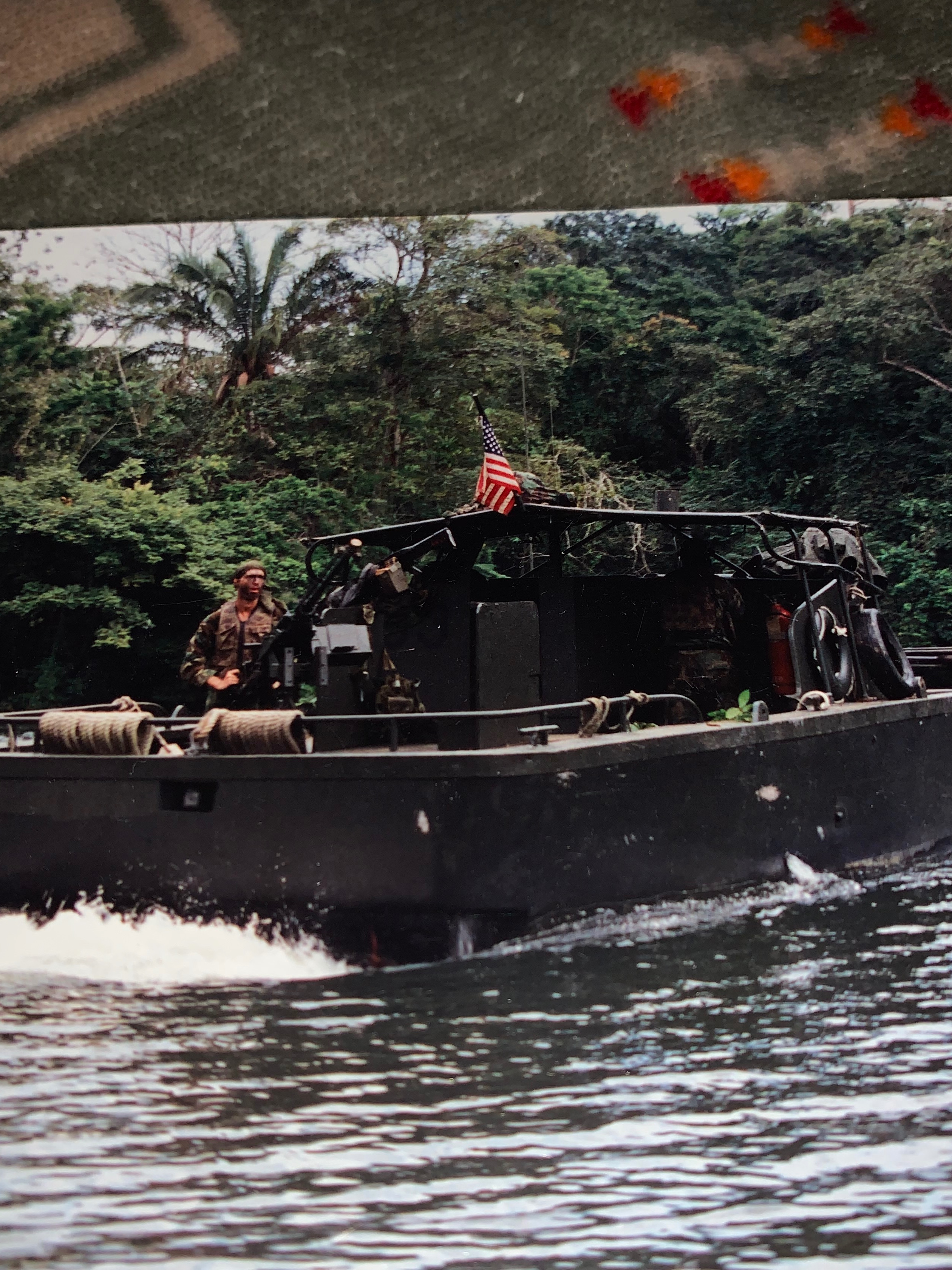
Naval Auxiliary Landing Field (NALF) San Clemente Island, located off the coast of Southern California, has served as a vital training and testing site for the U.S. Navy since its establishment during World War II. Originally constructed in the early 1940s, the airfield provided a remote environment for carrier landing practice and weapons testing, away from populated areas. Over the decades, NALF San Clemente Island has supported a wide range of military operations, including aviation training, amphibious exercises, and special warfare training. Today, it remains a key component of the Navy’s Pacific training complex, hosting joint exercises and supporting fleet readiness.
U.S. Navy
U.S. Navy
U.S. Navy
U.S. Navy