
Opening branch overview
Building the branch home surface
Loading branch highlights, featured unit context, and gallery moments.
Overview
Members
Units
Building the branch home surface
Loading branch highlights, featured unit context, and gallery moments.
Building the branch units surface
Loading unit filters, rankings, and the branch unit grid.

4 members•1 unit
Relive and share the memories of your service-time with your brothers and sisters in arms today. VetFriends.com can help you reconnect.
Did you proudly serve in the NALF Crows Landing Ca?
Are you looking for someone who is or was in the NALF Crows Landing Ca?
Do you have NALF Crows Landing Ca photos you'd like to share?
Then join a community with your brothers and sisters of the NALF Crows Landing Ca.
Branch
U.S. Navy
Members
4
Naval Auxiliary Landing Field (NALF) Crows Landing, located in California’s Central Valley, was established in 1942 as an auxiliary airfield to support the training needs of Naval Air Station Alameda during World War II. The airfield served primarily as a training base for carrier-based aircraft, with pilots practicing takeoffs and landings on its long runways. After the war, the facility continued in use for training and touch-and-go operations until the 1990s, when military activity ceased and the property was transferred to local authorities. Today, remnants of its military past remain, but the field stands as a testament to its critical role in preparing naval aviators for combat during and after World War II.
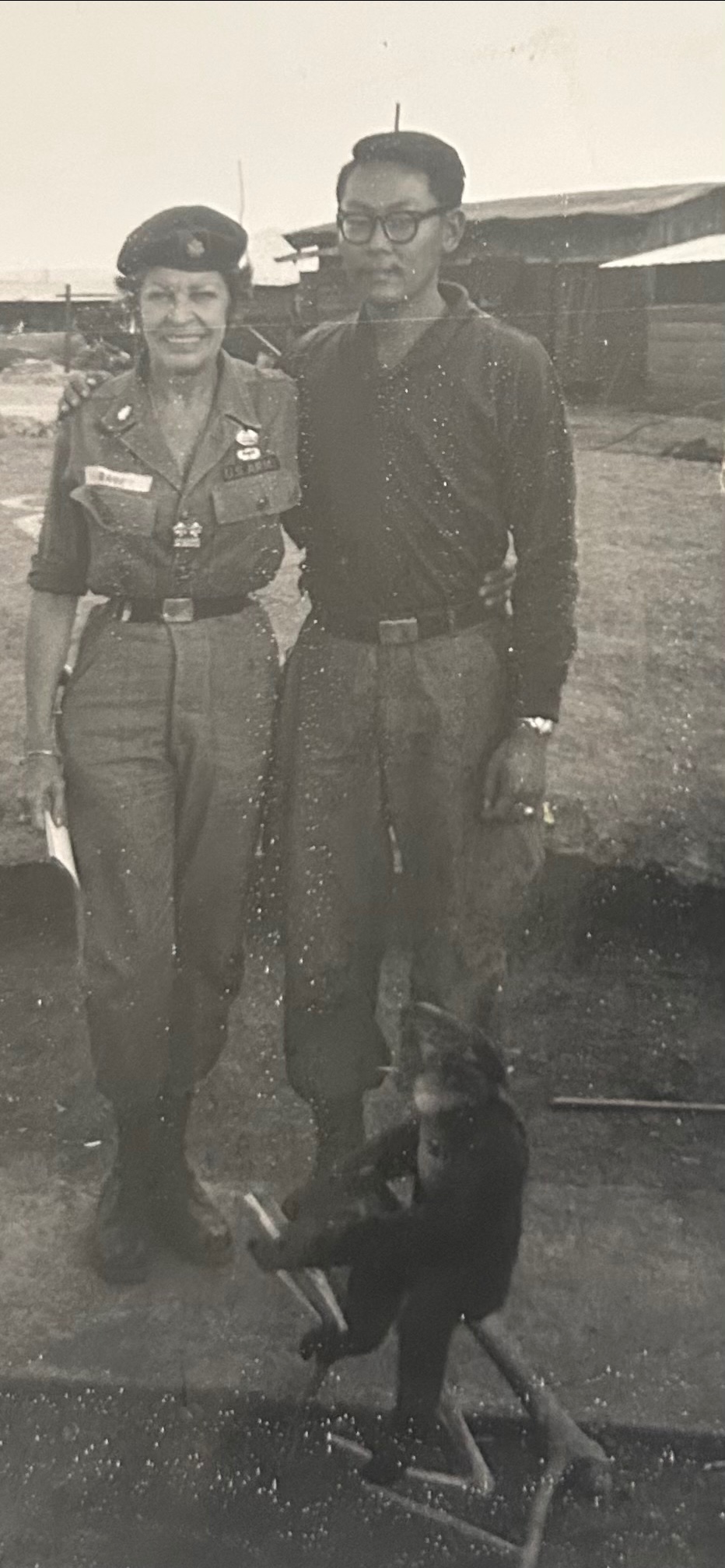
U.S. Navy

U.S. Navy

U.S. Navy
U.S. Navy