
Opening branch overview
Building the branch home surface
Loading branch highlights, featured unit context, and gallery moments.
Overview
Members
Units
Building the branch home surface
Loading branch highlights, featured unit context, and gallery moments.
Building the branch units surface
Loading unit filters, rankings, and the branch unit grid.

4 members•1 unit
Relive and share the memories of your service-time with your brothers and sisters in arms today. VetFriends.com can help you reconnect.
Did you proudly serve in the NAD Concord CA.?
Are you looking for someone who is or was in the NAD Concord CA.?
Do you have NAD Concord CA. photos you'd like to share?
Then join a community with your brothers and sisters of the NAD Concord CA..
Branch
U.S. Navy
Members
4
Naval Ammunition Depot (NAD) Concord, located in Concord, California, was established in 1942 as a critical supply point for the U.S. Navy during World War II. Serving as a major ammunition storage and shipping facility, the depot played a vital role in supporting Pacific theater operations throughout the war and continued to be active during the Korean and Vietnam Wars. Over the decades, NAD Concord expanded its infrastructure and capabilities, becoming one of the largest ordnance depots on the West Coast. In 1999, the facility was renamed Concord Naval Weapons Station and its military mission was gradually reduced, with large portions later transferred for civilian reuse.

U.S. Navy
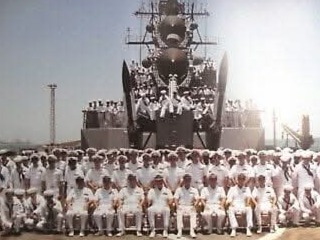
Dahlgrenddg43 • U.S. Navy • 1990
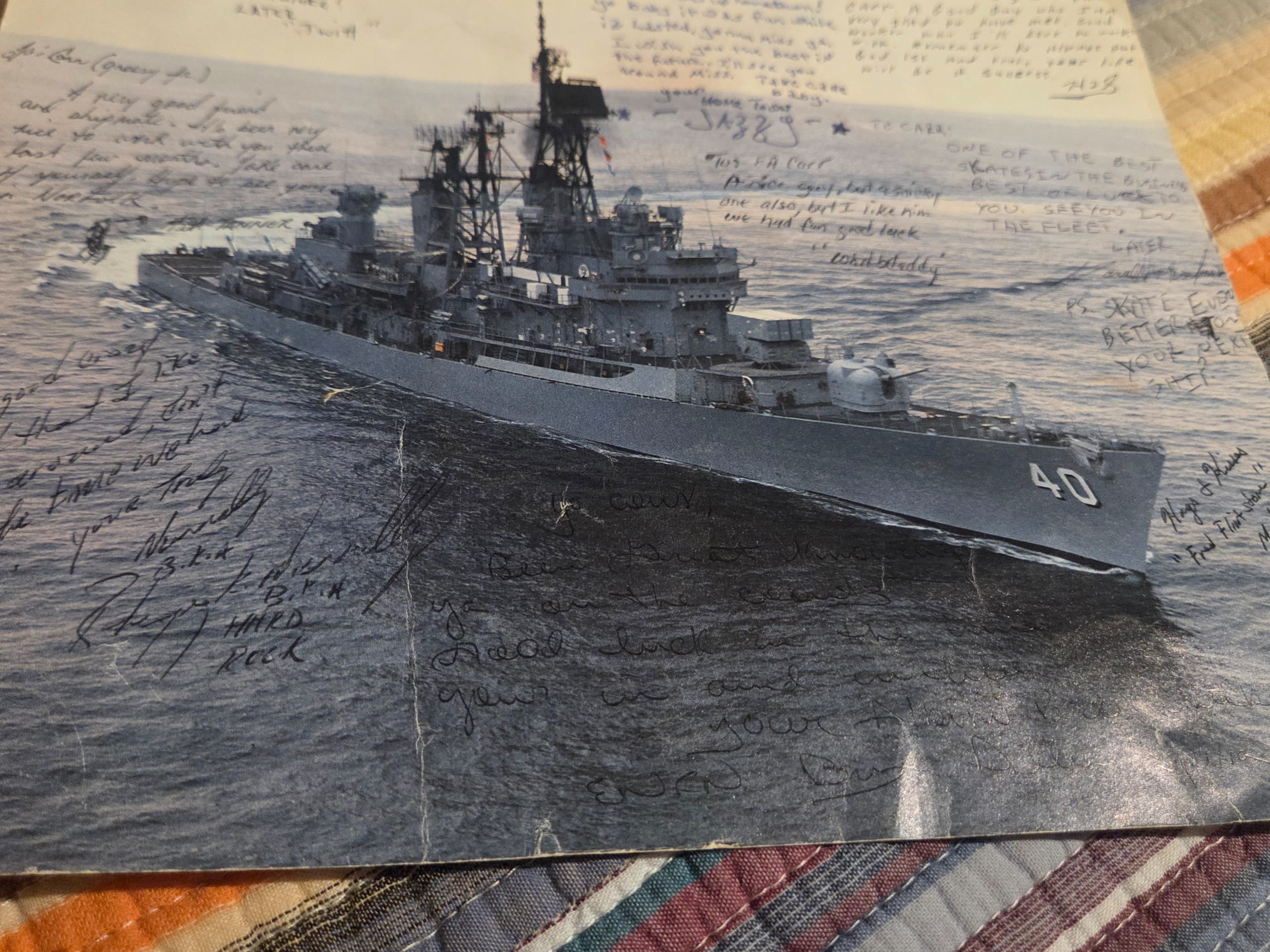
Coontz ddg 40 • U.S. Navy • 1989
Coontz ddg 40 • U.S. Navy • 1988