
Opening branch overview
Building the branch home surface
Loading branch highlights, featured unit context, and gallery moments.
Overview
Members
Units
Building the branch home surface
Loading branch highlights, featured unit context, and gallery moments.
Building the branch units surface
Loading unit filters, rankings, and the branch unit grid.

U.S. Navy•2 members
Relive and share the memories of your service-time with your brothers and sisters in arms today. VetFriends.com can help you reconnect.
Did you proudly serve in the MIUW1920?
Are you looking for someone who is or was in the MIUW1920?
Do you have MIUW1920 photos you'd like to share?
Then join a community with your brothers and sisters of the MIUW1920.
**Mobile Inshore Undersea Warfare Unit 1920 (MIUWU 1920)** was a United States Navy Reserve unit established during the Cold War to provide harbor and coastal defense. Based out of the Naval Reserve Center in Buffalo, New York, MIUWU 1920 was tasked with deploying quickly to protect U.S. ports and shorelines from enemy submarine and special operations threats using mobile radar, sonar, and communications systems. The unit participated in numerous training exercises and joint operations, supporting both national and NATO maritime security objectives. MIUWU 1920 was decommissioned as part of a broader reorganization of Navy coastal warfare forces in the early 2000s.
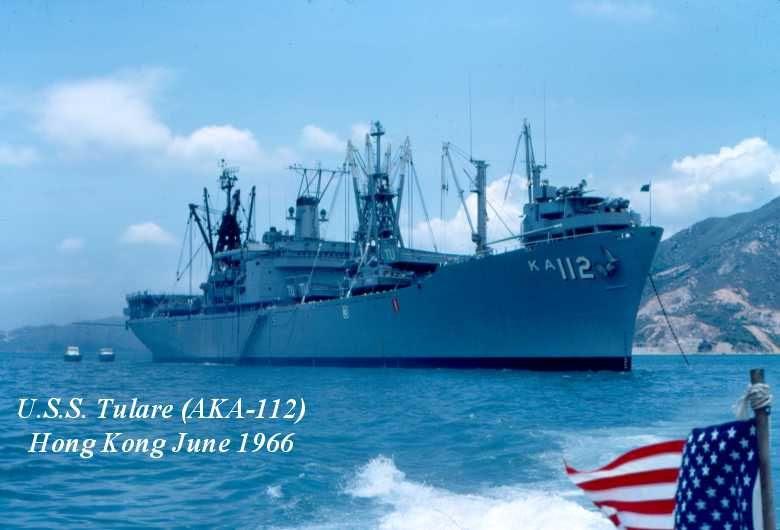
U.S. Navy
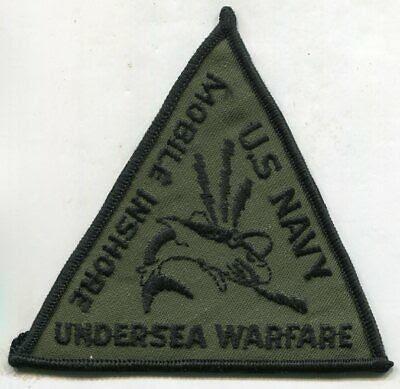
U.S. Navy