
Opening branch overview
Building the branch home surface
Loading branch highlights, featured unit context, and gallery moments.
Overview
Members
Units
Building the branch home surface
Loading branch highlights, featured unit context, and gallery moments.
Building the branch units surface
Loading unit filters, rankings, and the branch unit grid.

11 members•1 unit
Relive and share the memories of your service-time with your brothers and sisters in arms today. VetFriends.com can help you reconnect.
Did you proudly serve in the mine squaron10 Charleston SC?
Are you looking for someone who is or was in the mine squaron10 Charleston SC?
Do you have mine squaron10 Charleston SC photos you'd like to share?
Then join a community with your brothers and sisters of the mine squaron10 Charleston SC.
Branch
U.S. Navy
Members
11
Mine Squadron 10 (MinRon 10), based in Charleston, South Carolina, has played a significant role in U.S. naval mine warfare. Established during the Cold War, the squadron was tasked with the deployment, maintenance, and operational readiness of mine countermeasure ships and personnel. Throughout its service, Mine Squadron 10 participated in numerous training exercises along the Atlantic coast and supported fleet operations to ensure safe maritime navigation. The unit has contributed to advancements in mine detection and clearance techniques, reflecting Charleston’s longstanding importance as a strategic naval hub.
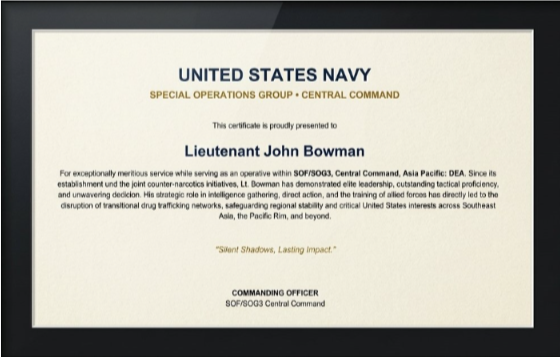
U.S. Navy
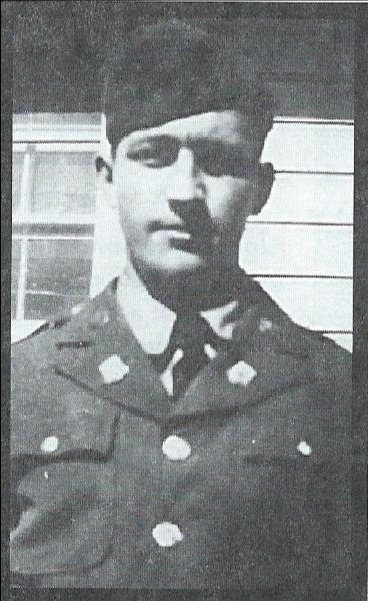
U.S. Navy
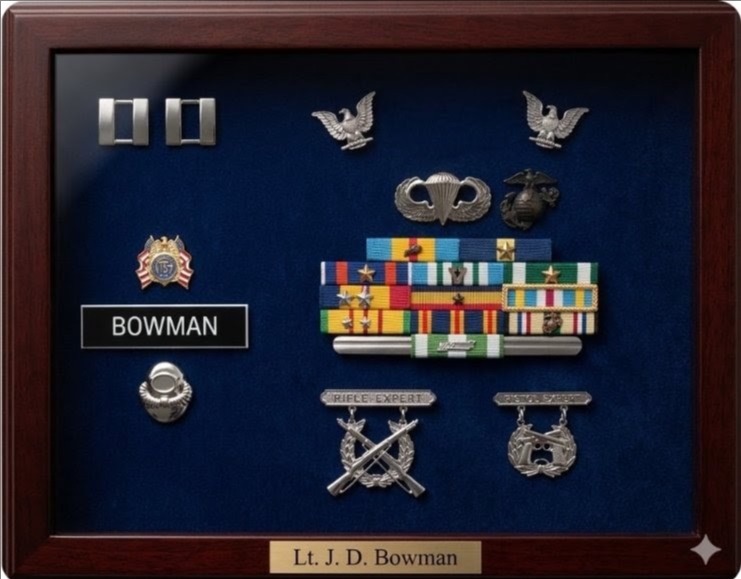
U.S. Navy
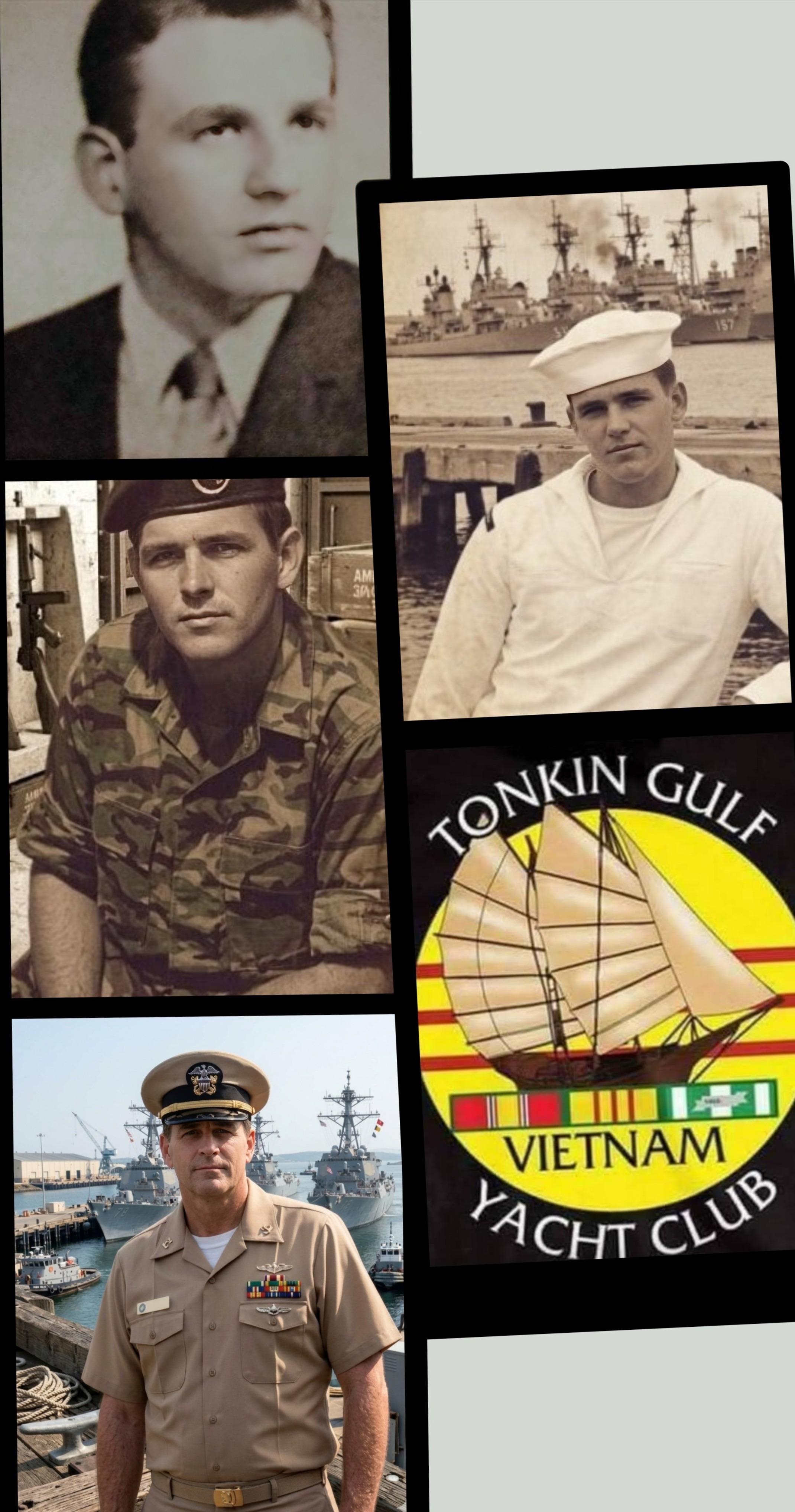
U.S. Navy