
Opening branch overview
Building the branch home surface
Loading branch highlights, featured unit context, and gallery moments.
Overview
Members
Units
Building the branch home surface
Loading branch highlights, featured unit context, and gallery moments.
Building the branch units surface
Loading unit filters, rankings, and the branch unit grid.

U.S. Navy•4 members
Relive and share the memories of your service-time with your brothers and sisters in arms today. VetFriends.com can help you reconnect.
Did you proudly serve in the Mine Laboratory?
Are you looking for someone who is or was in the Mine Laboratory?
Do you have Mine Laboratory photos you'd like to share?
Then join a community with your brothers and sisters of the Mine Laboratory.
The Mine Laboratory was a specialized military unit established by the U.S. Army during World War I to research, develop, and test underwater mines and countermeasures. Organized in 1917 at the U.S. Army Coast Artillery School in Fort Monroe, Virginia, the unit played a crucial role in advancing mine warfare technology to protect harbors and maritime approaches. Its personnel included engineers, scientists, and ordnance experts who designed new types of mines and improved methods for their deployment and detection. Following the war, the unit's work contributed significantly to the evolution of mine warfare tactics and technology used throughout the 20th century.
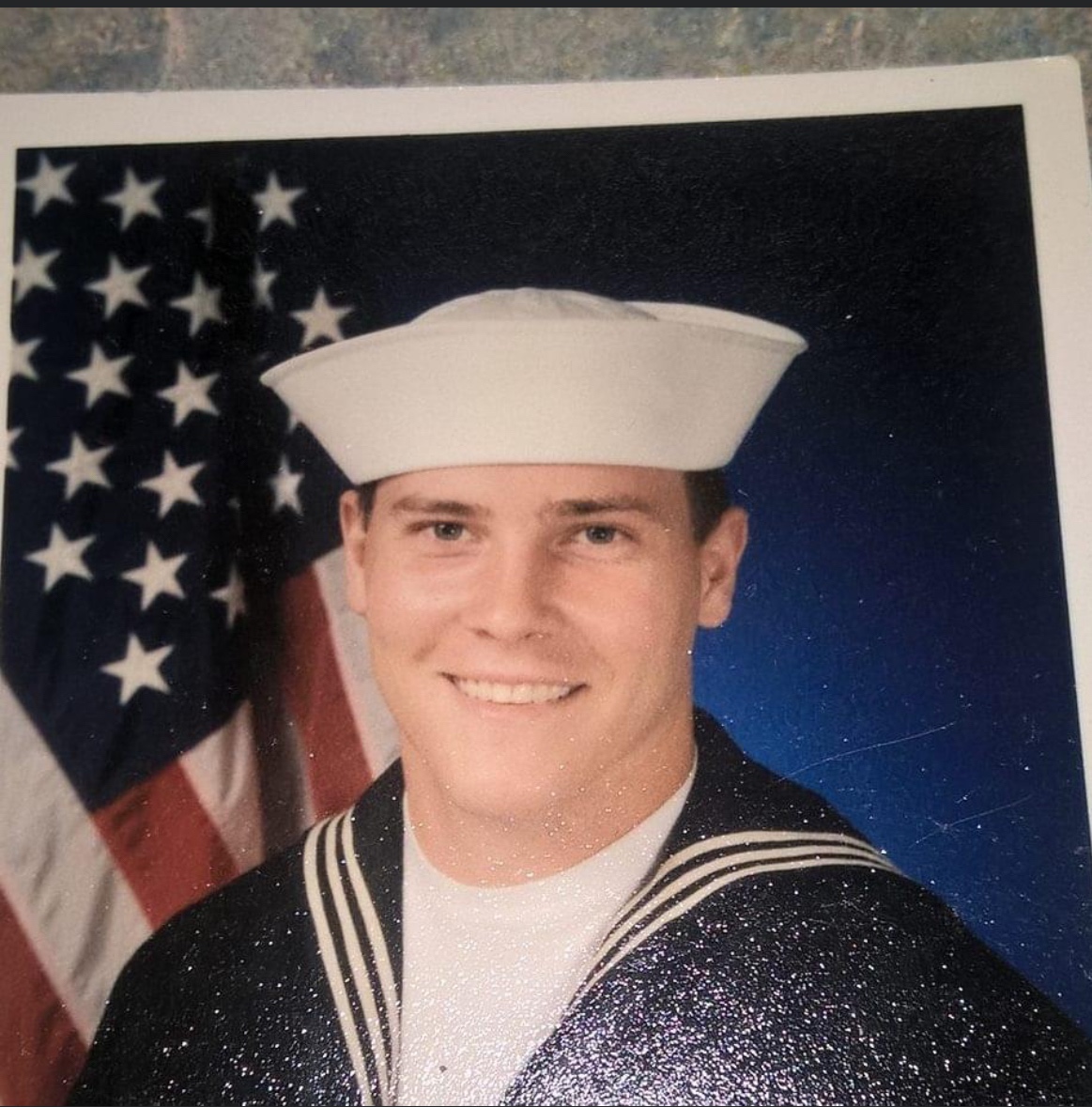
U.S. Navy
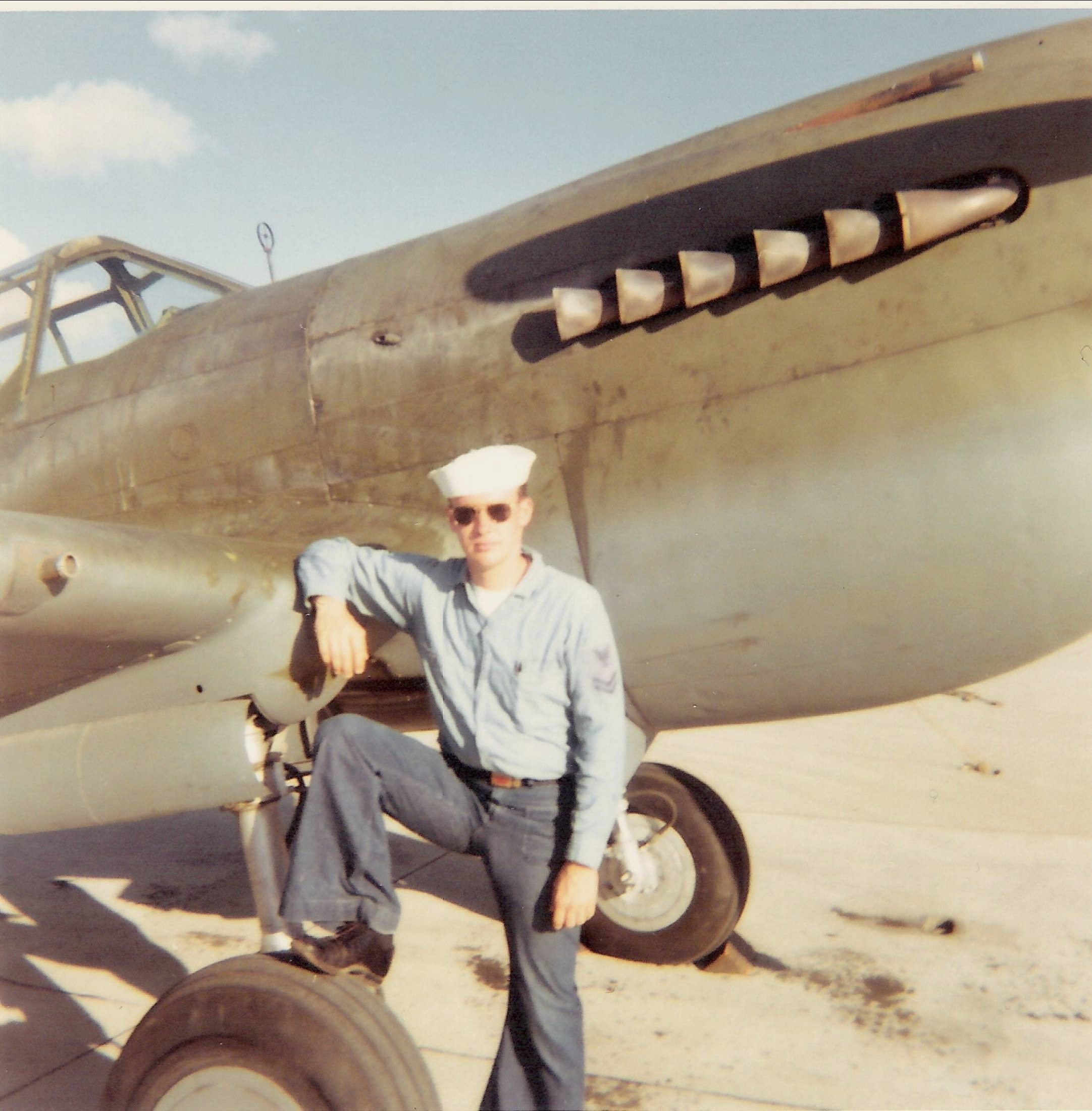
ATTACK SQUADRON VA-87 • U.S. Navy • 1969
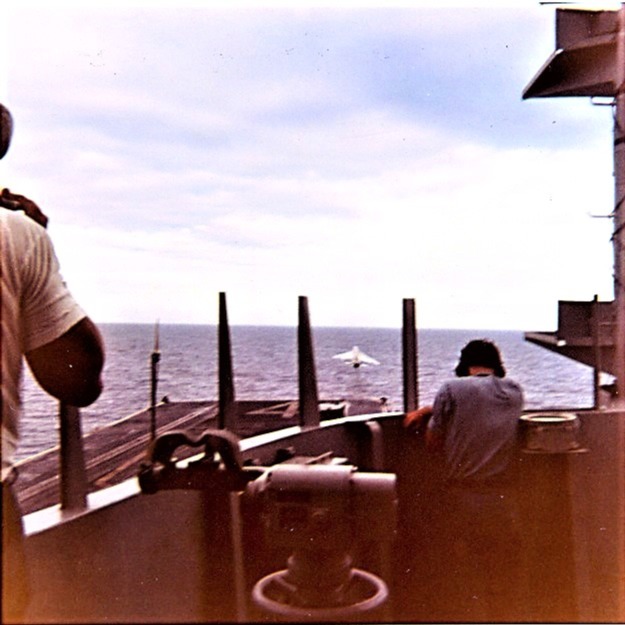
U.S. Navy • 1969
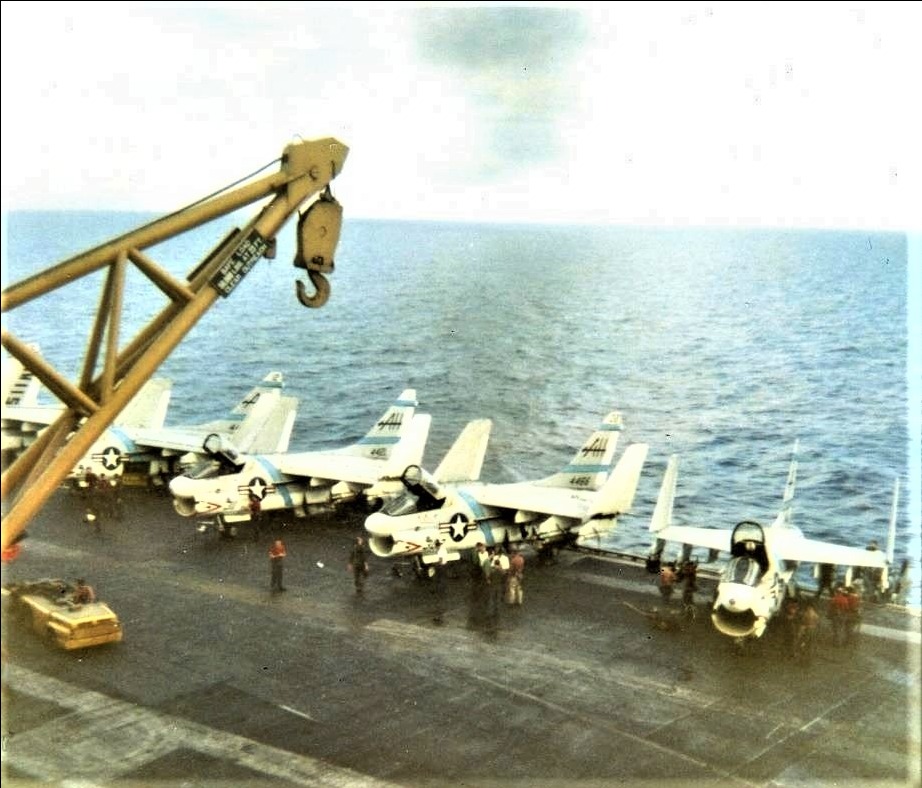
U.S. Navy • 1969