
Opening branch overview
Building the branch home surface
Loading branch highlights, featured unit context, and gallery moments.
Overview
Members
Units
Building the branch home surface
Loading branch highlights, featured unit context, and gallery moments.
Building the branch units surface
Loading unit filters, rankings, and the branch unit grid.

6 members•1 unit
Relive and share the memories of your service-time with your brothers and sisters in arms today. VetFriends.com can help you reconnect.
Did you proudly serve in the MILPHAP N-5 VIETNAM NAVY?
Are you looking for someone who is or was in the MILPHAP N-5 VIETNAM NAVY?
Do you have MILPHAP N-5 VIETNAM NAVY photos you'd like to share?
Then join a community with your brothers and sisters of the MILPHAP N-5 VIETNAM NAVY.
Branch
U.S. Navy
Members
6
MILPHAP N-5 was a U.S. Navy Medical Civic Action Program (MILPHAP) unit that operated in Vietnam during the Vietnam War. The unit was deployed to support South Vietnamese civilian populations by providing medical care, public health education, and training for local medical personnel. Stationed in the Mekong Delta region, MILPHAP N-5 worked closely with Vietnamese counterparts to improve healthcare infrastructure and foster goodwill among the local population. Their efforts not only addressed immediate medical needs but also aimed to strengthen South Vietnam's capacity for long-term public health and resilience during the conflict.
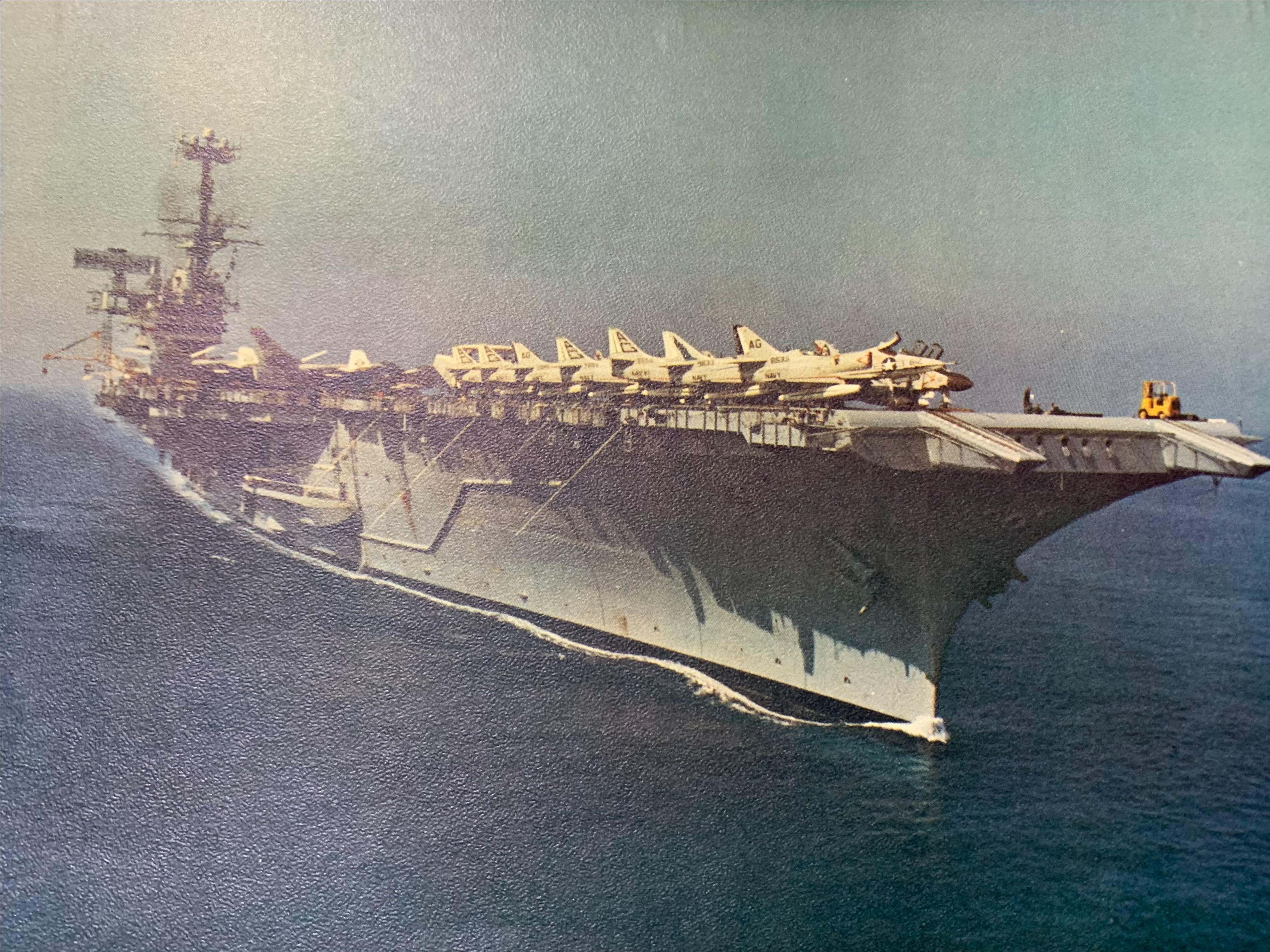
USS Independence • U.S. Navy • 1970
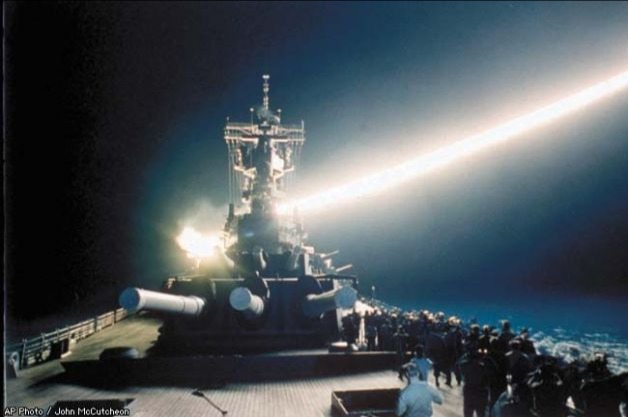
U.S. Navy • 1991
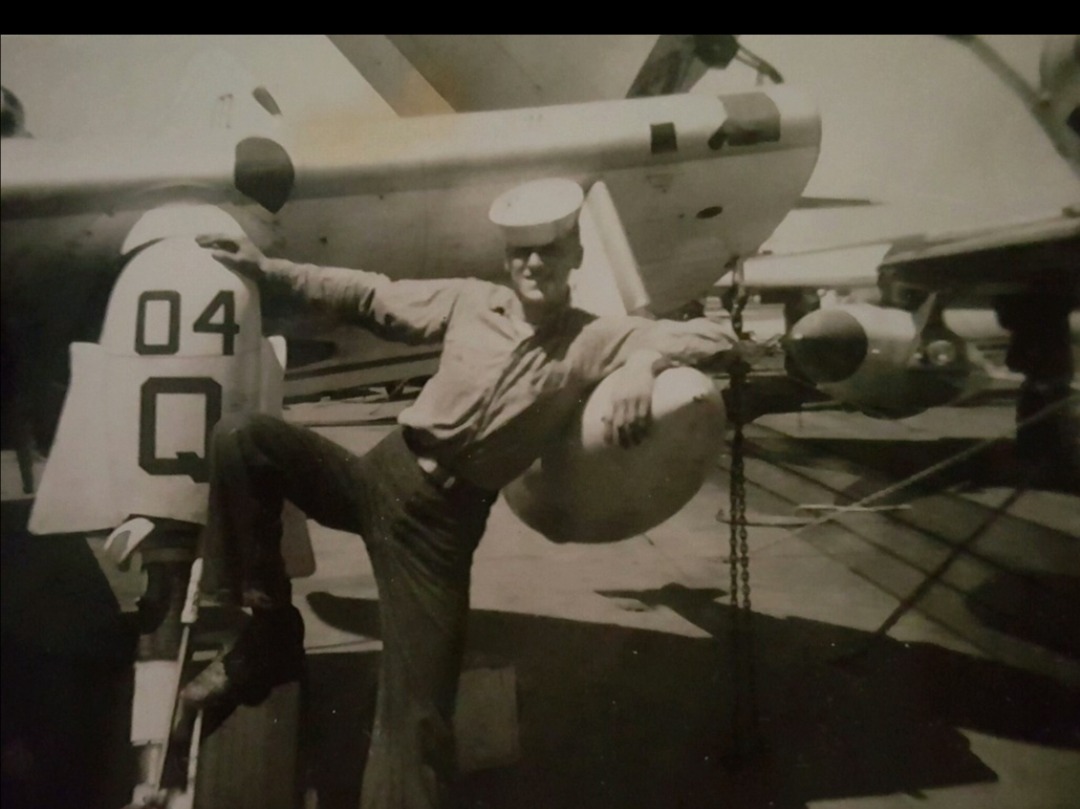
U.S. Navy
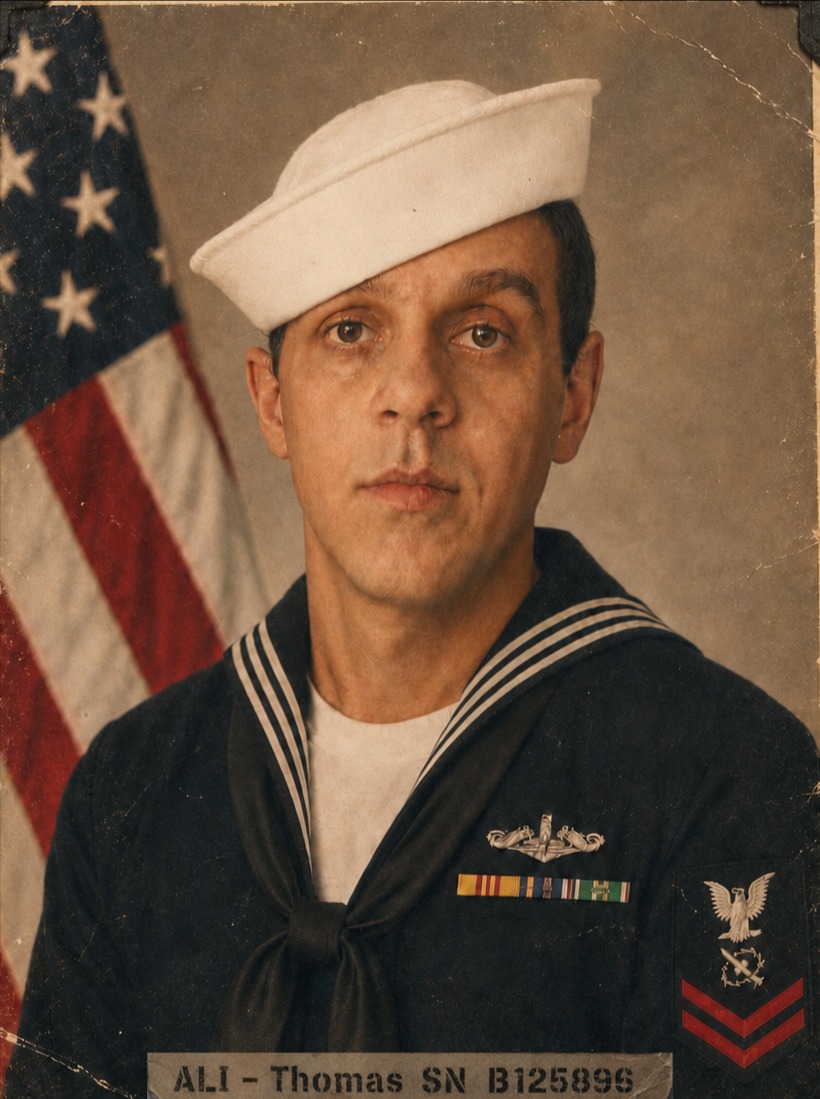
WEAPONS • U.S. Navy • 1968