
Opening branch overview
Building the branch home surface
Loading branch highlights, featured unit context, and gallery moments.
Overview
Members
Units
Building the branch home surface
Loading branch highlights, featured unit context, and gallery moments.
Building the branch units surface
Loading unit filters, rankings, and the branch unit grid.

1 members•1 unit
Relive and share the memories of your service-time with your brothers and sisters in arms today. VetFriends.com can help you reconnect.
Did you proudly serve in the Lightship WAL 536?
Are you looking for someone who is or was in the Lightship WAL 536?
Do you have Lightship WAL 536 photos you'd like to share?
Then join a community with your brothers and sisters of the Lightship WAL 536.
Branch
U.S. Navy
Members
1
Lightship WAL 536, also known as the "Overfalls," was a United States Coast Guard lightship constructed in 1950 and commissioned to serve as a navigational aid along the U.S. East Coast. Throughout her active service, WAL 536 was stationed at several key locations, most notably the Overfalls station off the coast of Delaware, where she warned mariners of shallow waters and dangerous shoals. The vessel was crewed by Coast Guard personnel and played a critical role in maritime safety during her operational years until being decommissioned in 1972. Today, Lightship WAL 536 is preserved as a museum ship in Lewes, Delaware, honoring her legacy and the vital service of American lightships.

U.S. Navy
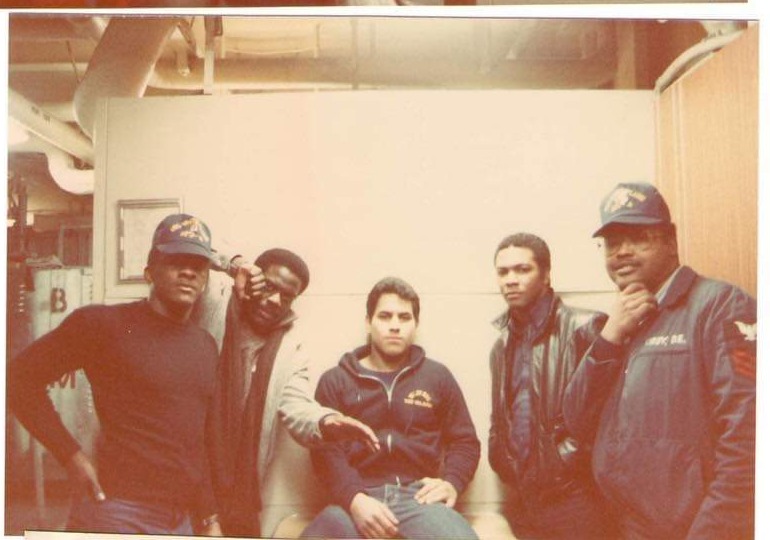
U.S. Navy
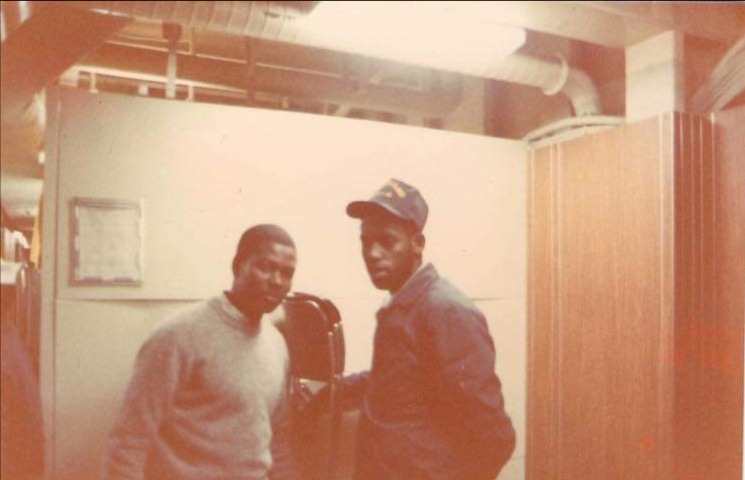
U.S. Navy
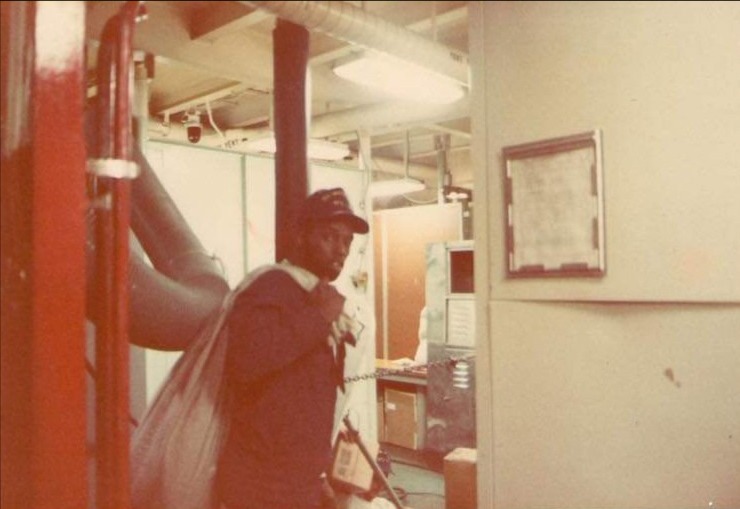
U.S. Navy