
Opening branch overview
Building the branch home surface
Loading branch highlights, featured unit context, and gallery moments.
Overview
Members
Units
Building the branch home surface
Loading branch highlights, featured unit context, and gallery moments.
Building the branch units surface
Loading unit filters, rankings, and the branch unit grid.

U.S. Navy•24 members
Relive and share the memories of your service-time with your brothers and sisters in arms today. VetFriends.com can help you reconnect.
Did you proudly serve in the HELANTISUBRON ONE (HS-1)?
Are you looking for someone who is or was in the HELANTISUBRON ONE (HS-1)?
Do you have HELANTISUBRON ONE (HS-1) photos you'd like to share?
Then join a community with your brothers and sisters of the HELANTISUBRON ONE (HS-1).
Helicopter Antisubmarine Squadron ONE (HS-1), known as "Seabaters," was established on October 1, 1951, as the U.S. Navy’s first antisubmarine helicopter squadron. Based at Naval Air Station Key West and later at Jacksonville, Florida, HS-1 operated various helicopters, including the HSS-1 Seabat and SH-3 Sea King, pioneering tactics in airborne antisubmarine warfare (ASW). The squadron played a crucial role in developing and testing ASW technology and training successive generations of Navy helicopter crews. HS-1 was disestablished on June 29, 1993, leaving a legacy of innovation in naval aviation and ASW excellence.
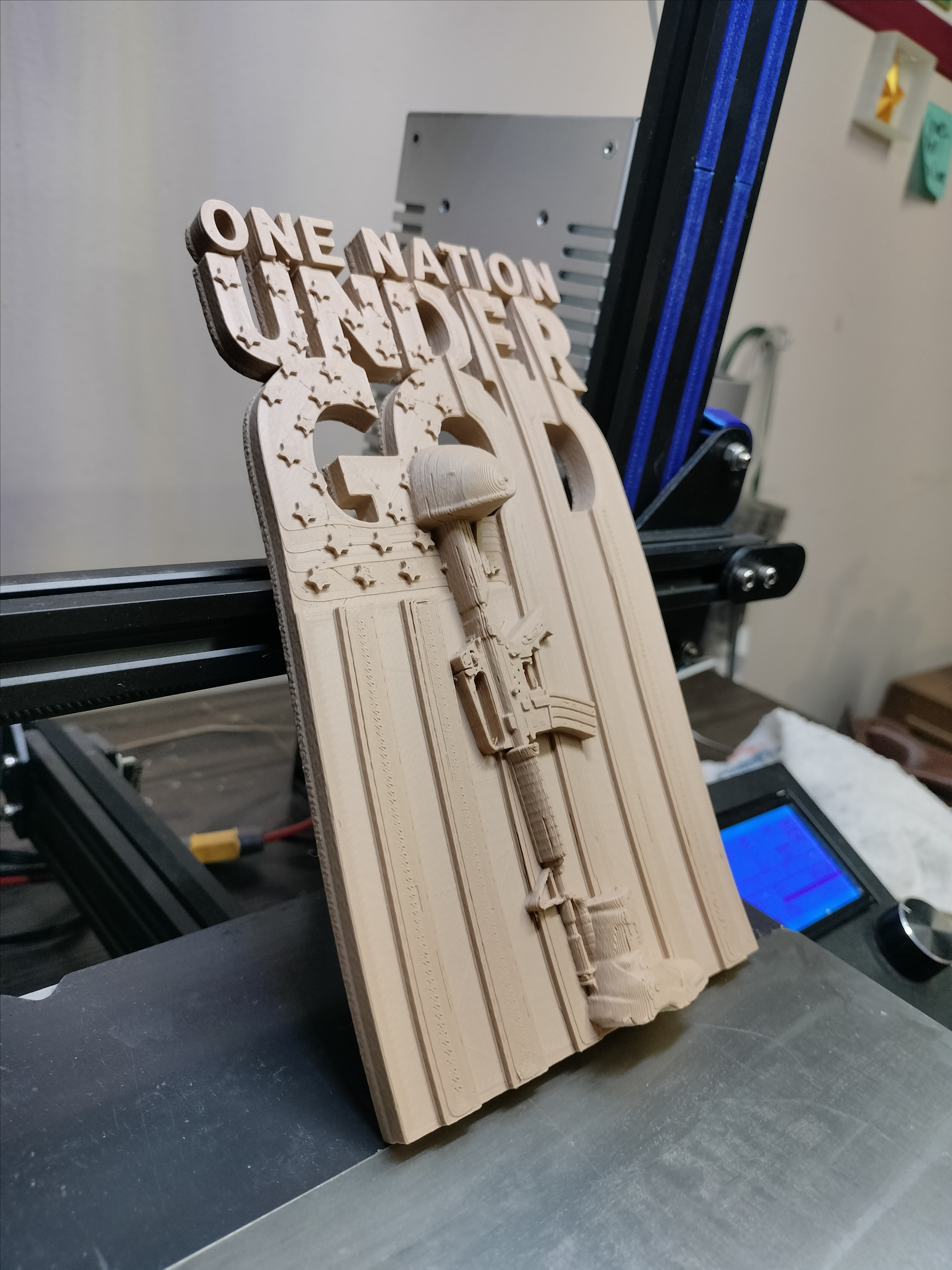
Brownwater Navy Vietnam • U.S. Navy • 2023
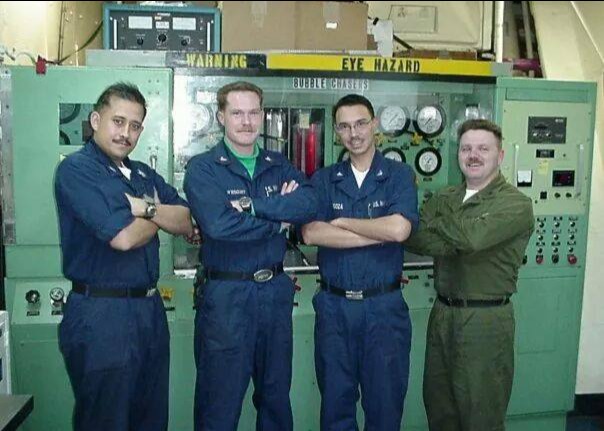
AIMD CORPUS CHRISTI • U.S. Navy • 2001
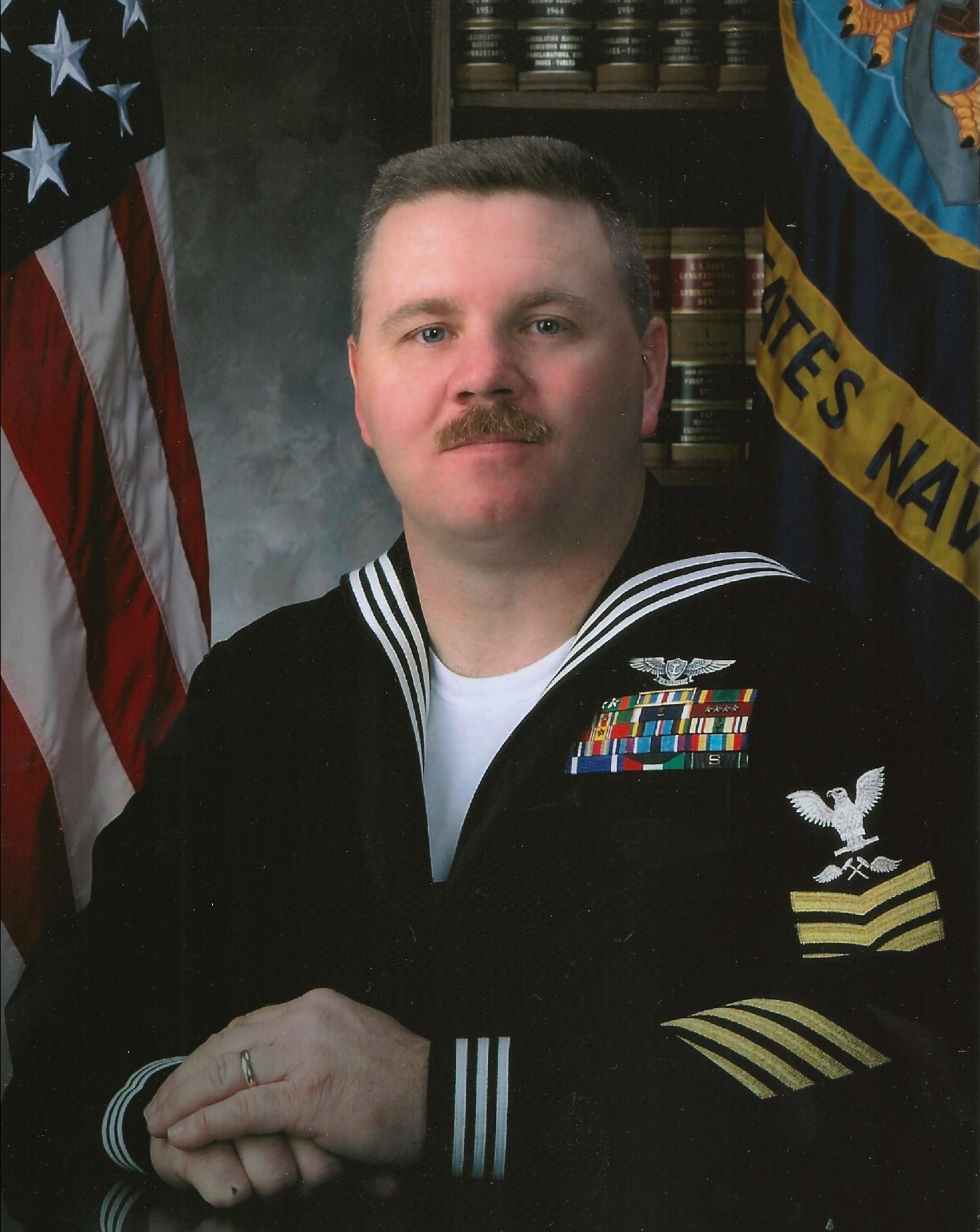
U.S. Navy
U.S. Navy