
Opening branch overview
Building the branch home surface
Loading branch highlights, featured unit context, and gallery moments.
Overview
Members
Units
Building the branch home surface
Loading branch highlights, featured unit context, and gallery moments.
Building the branch units surface
Loading unit filters, rankings, and the branch unit grid.

U.S. Navy•12 members
Relive and share the memories of your service-time with your brothers and sisters in arms today. VetFriends.com can help you reconnect.
Did you proudly serve in the HCS 5?
Are you looking for someone who is or was in the HCS 5?
Do you have HCS 5 photos you'd like to share?
Then join a community with your brothers and sisters of the HCS 5.
Helicopter Combat Support Special Squadron FIVE (HCS-5), also known as the "Firehawks," was a United States Navy Reserve helicopter squadron established in 1988. The unit was based at Naval Air Station Point Mugu, California, and operated the HH-60H Seahawk helicopter. HCS-5 provided combat search and rescue (CSAR), special warfare support, and vertical replenishment missions, often deploying to the Persian Gulf and supporting Operations Desert Storm, Southern Watch, Enduring Freedom, and Iraqi Freedom. The squadron was deactivated in December 2006 as part of a Navy-wide restructuring of reserve helicopter forces.
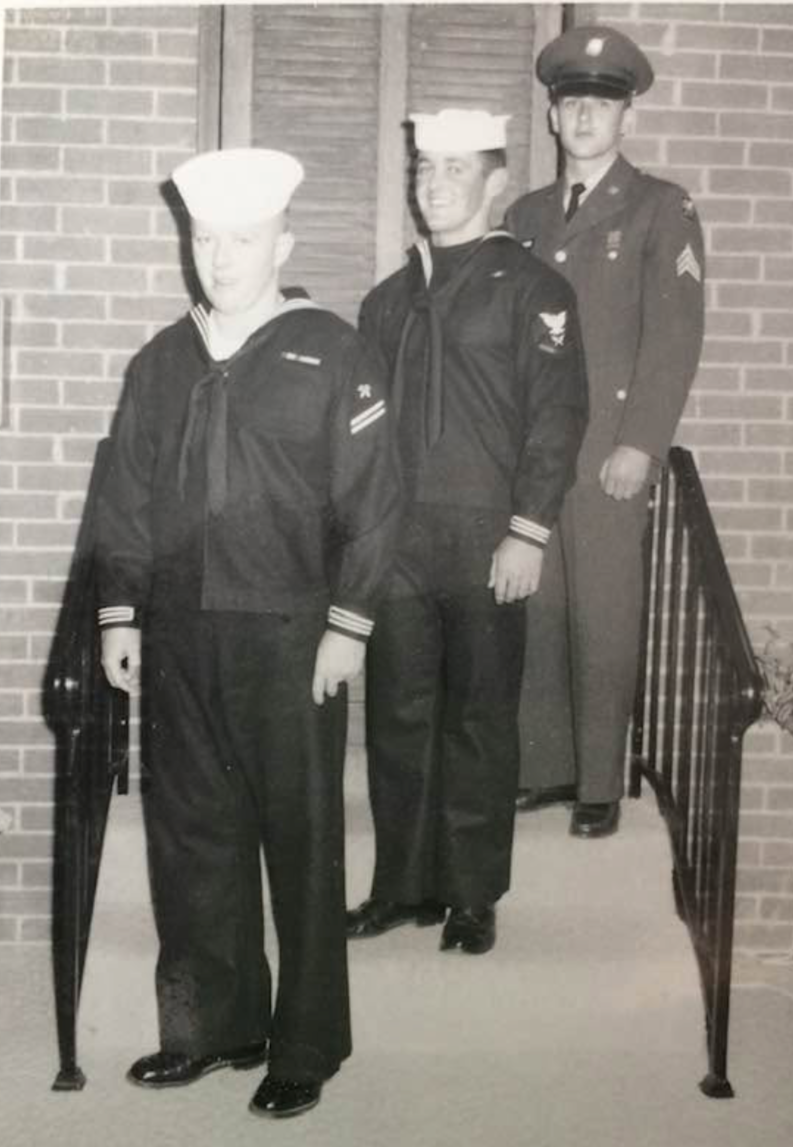
U.S. Navy • 1967
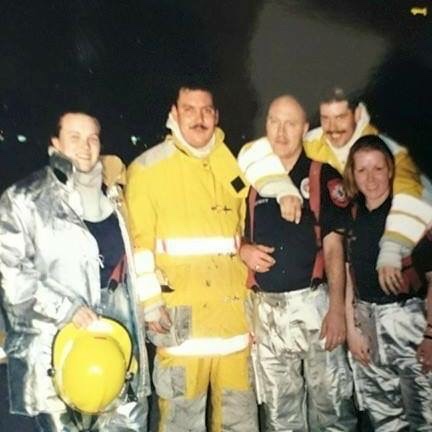
U.S. Navy
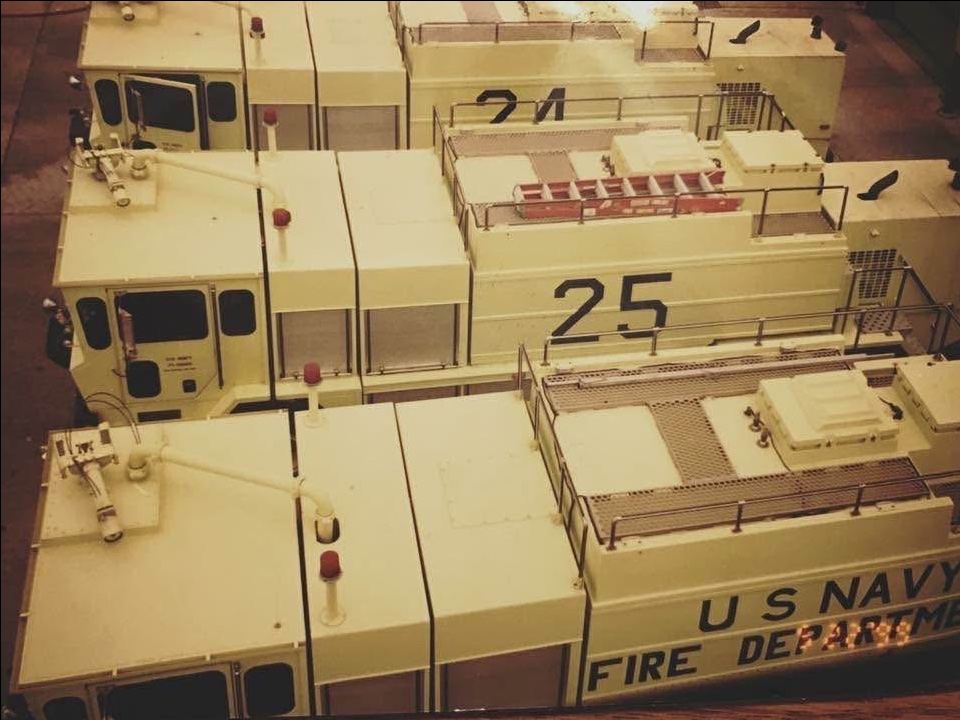
U.S. Navy
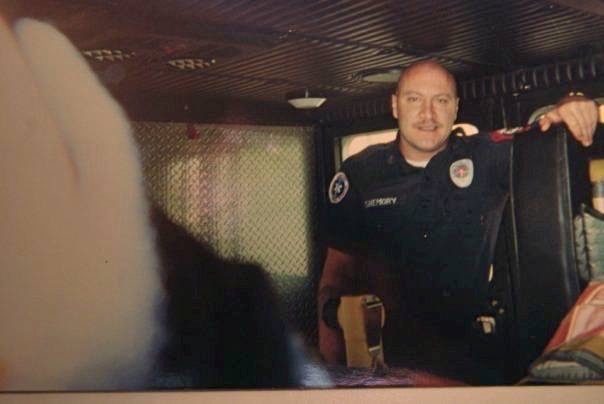
U.S. Navy