
Opening branch overview
Building the branch home surface
Loading branch highlights, featured unit context, and gallery moments.
Overview
Members
Units
Building the branch home surface
Loading branch highlights, featured unit context, and gallery moments.
Building the branch units surface
Loading unit filters, rankings, and the branch unit grid.

U.S. Navy•14 members
Relive and share the memories of your service-time with your brothers and sisters in arms today. VetFriends.com can help you reconnect.
Did you proudly serve in the HC8?
Are you looking for someone who is or was in the HC8?
Do you have HC8 photos you'd like to share?
Then join a community with your brothers and sisters of the HC8.
Helicopter Combat Support Squadron 8 (HC-8), known as the "Dragon Whales," was a United States Navy helicopter squadron established in 1984. Based at Naval Air Station Norfolk, Virginia, HC-8 provided vital vertical replenishment (VERTREP), search and rescue (SAR), and logistics support for the U.S. Atlantic Fleet. The squadron operated the CH-46 Sea Knight and later the MH-60S Seahawk helicopters, playing a key role in fleet support operations, humanitarian missions, and exercises worldwide. HC-8 was deactivated in 2005 as part of the Navy's reorganization and transition to the Helicopter Sea Combat (HSC) community.
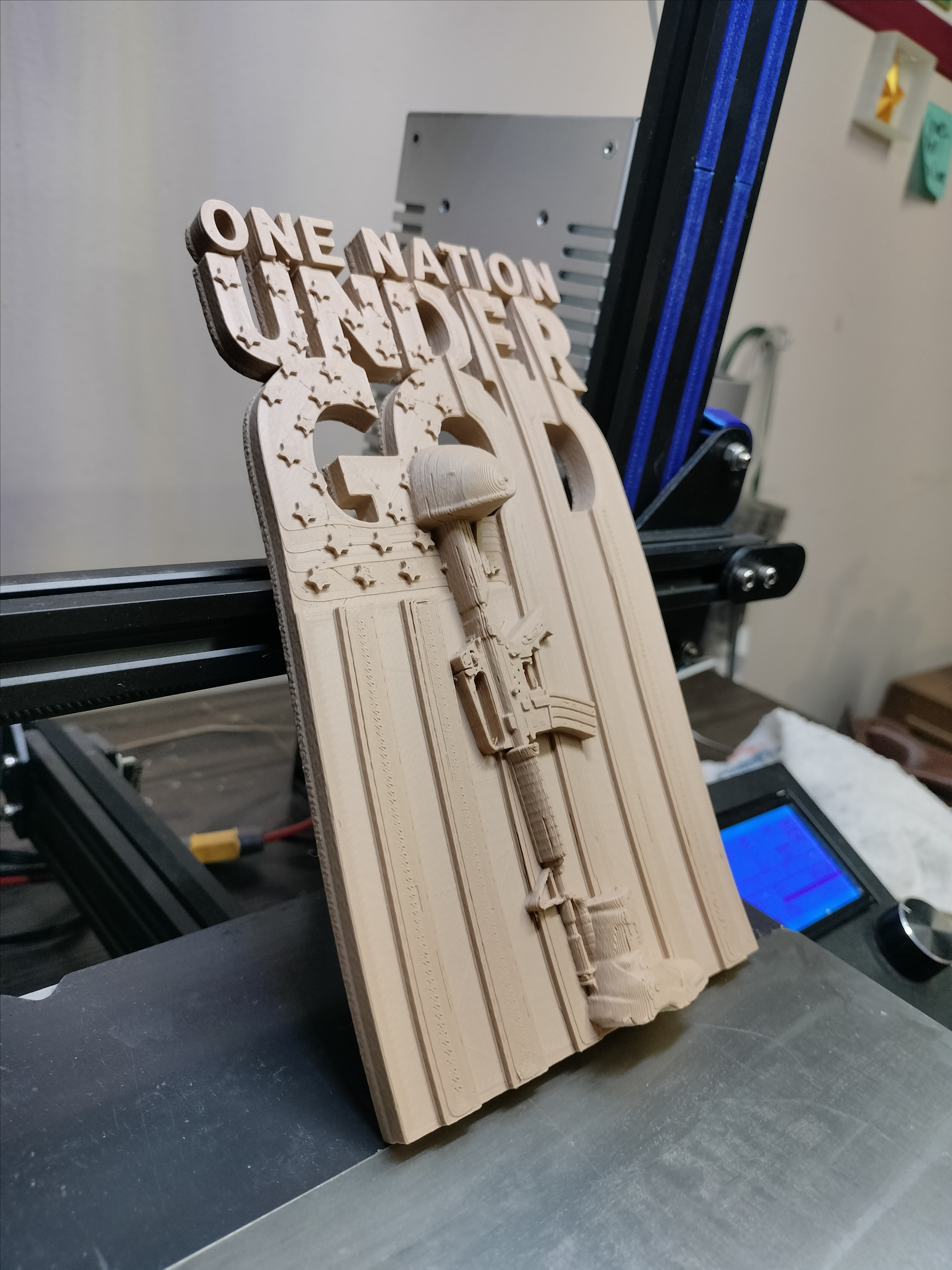
Brownwater Navy Vietnam • U.S. Navy • 2023
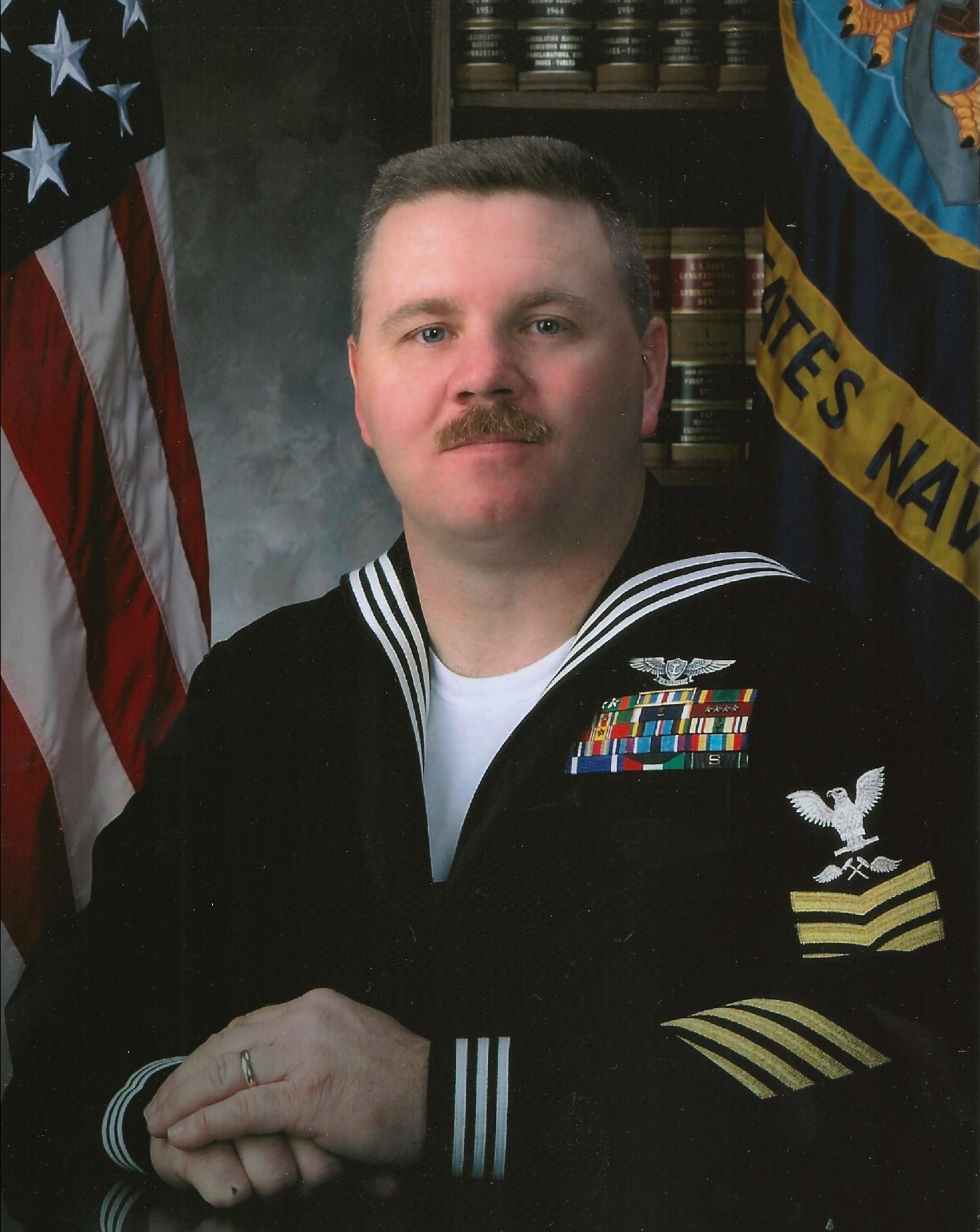
AIMD CORPUS CHRISTI • U.S. Navy • 2001
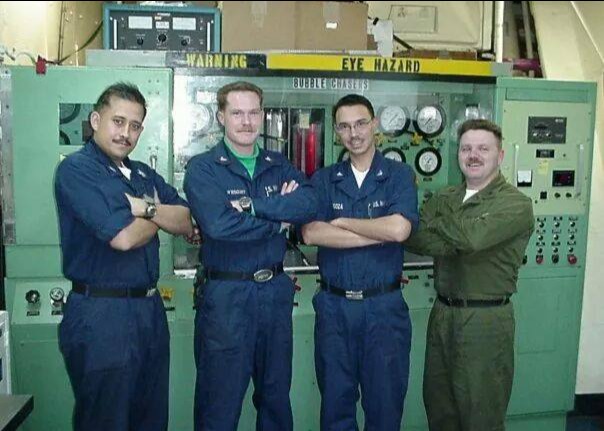
U.S. Navy
U.S. Navy