
Opening branch overview
Building the branch home surface
Loading branch highlights, featured unit context, and gallery moments.
Overview
Members
Units
Building the branch home surface
Loading branch highlights, featured unit context, and gallery moments.
Building the branch units surface
Loading unit filters, rankings, and the branch unit grid.

8 members•1 unit
Relive and share the memories of your service-time with your brothers and sisters in arms today. VetFriends.com can help you reconnect.
Did you proudly serve in the Hc16?
Are you looking for someone who is or was in the Hc16?
Do you have Hc16 photos you'd like to share?
Then join a community with your brothers and sisters of the Hc16.
Branch
U.S. Navy
Members
8
HC-16, also known as Helicopter Combat Support Squadron SIXTEEN, was a United States Navy helicopter unit established in 1971. Based primarily at Naval Air Station Pensacola, Florida, HC-16 provided logistics support, search and rescue, and vertical replenishment services to the fleet. The squadron operated various rotary-wing aircraft, including the UH-3H Sea King, and played a crucial role in supporting naval operations along the Gulf Coast and beyond. HC-16 was disestablished in 1994 as part of post-Cold War restructuring within the Navy's helicopter forces.
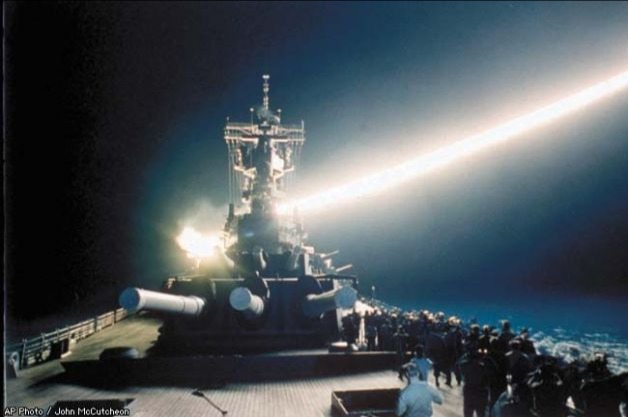
U.S. Navy • 1991
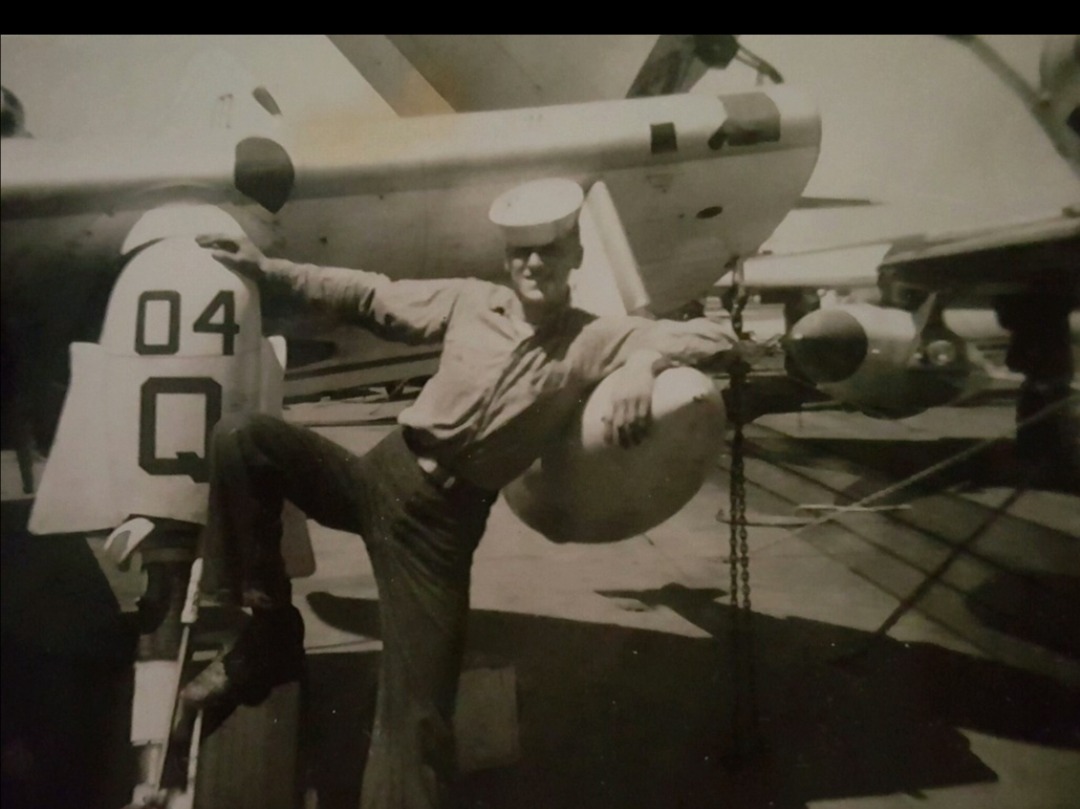
U.S. Navy
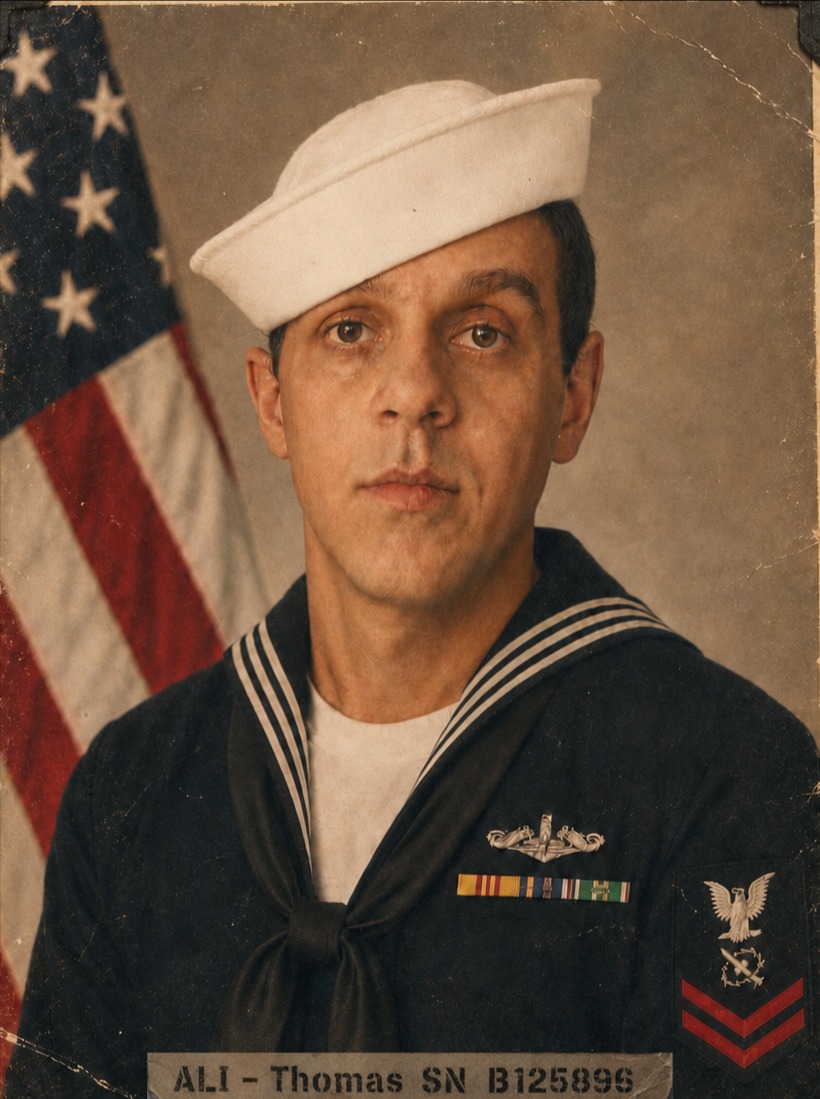
WEAPONS • U.S. Navy • 1968
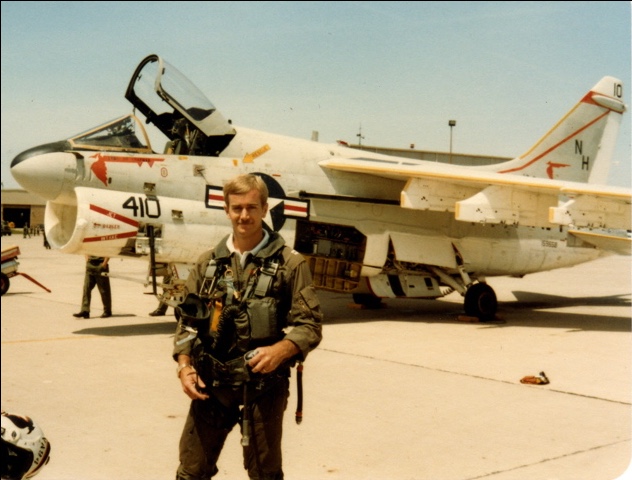
U.S. Navy