
Opening branch overview
Building the branch home surface
Loading branch highlights, featured unit context, and gallery moments.
Overview
Members
Units
Building the branch home surface
Loading branch highlights, featured unit context, and gallery moments.
Building the branch units surface
Loading unit filters, rankings, and the branch unit grid.

37 members•1 unit
Relive and share the memories of your service-time with your brothers and sisters in arms today. VetFriends.com can help you reconnect.
Did you proudly serve in the harbor defense unit ,little creek VA?
Are you looking for someone who is or was in the harbor defense unit ,little creek VA?
Do you have harbor defense unit ,little creek VA photos you'd like to share?
Then join a community with your brothers and sisters of the harbor defense unit ,little creek VA.
Branch
U.S. Navy
Members
37
The Harbor Defense Unit, Little Creek, VA, was established to protect the vital maritime approaches to the Norfolk and Hampton Roads area, one of the United States' most significant naval complexes. Activated during World War II, its mission included operating coastal artillery, anti-aircraft batteries, and later, radar and underwater detection systems to guard against enemy ships, submarines, and aircraft. The unit worked closely with the U.S. Navy’s amphibious forces at the Little Creek Amphibious Base, providing critical security for troop embarkation and supply operations. Over time, as threats and technology evolved, the Harbor Defense Unit adapted its role, eventually integrating into broader coastal defense and homeland security missions.

Crash barn • U.S. Navy

Crash barn • U.S. Navy
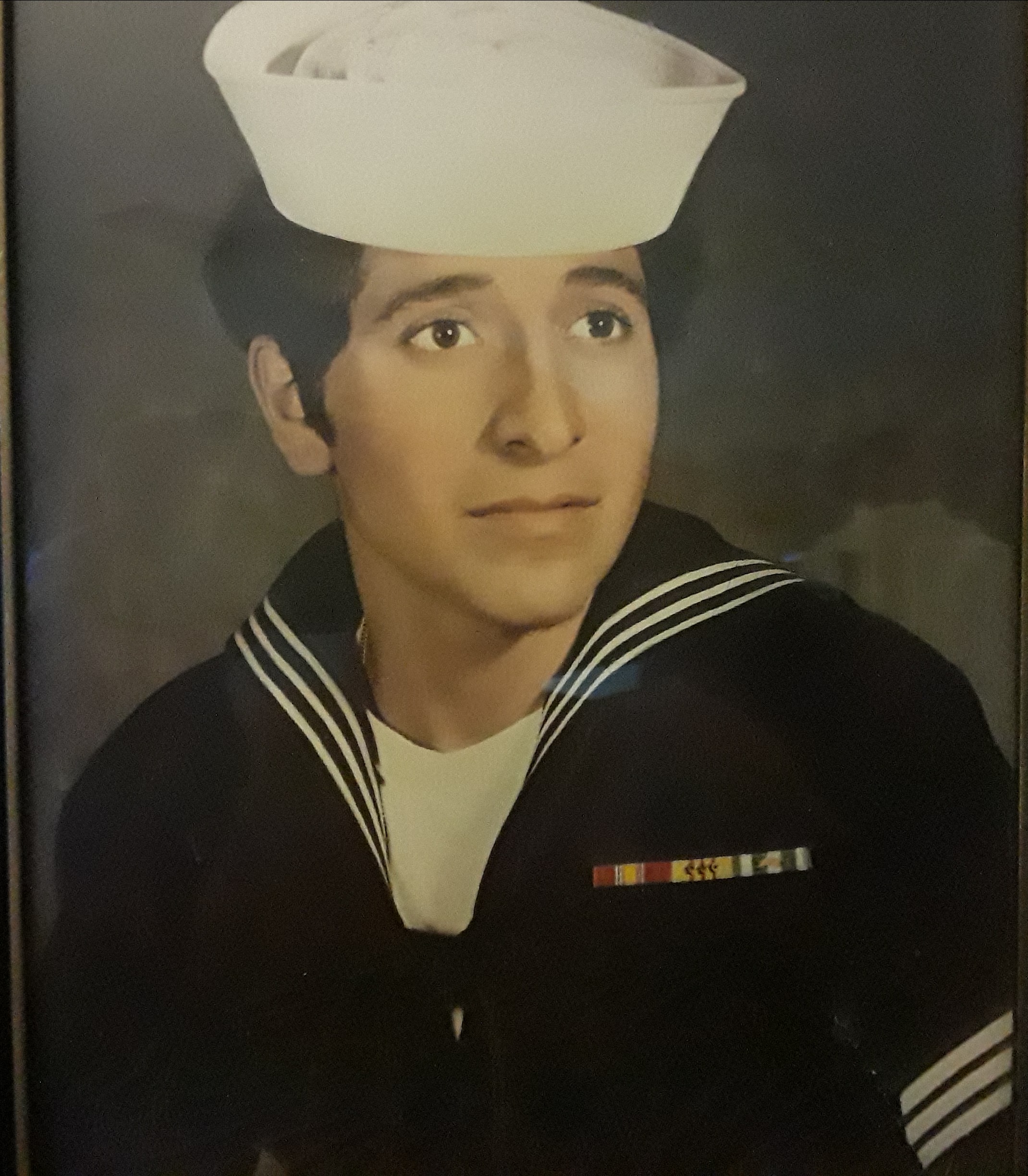
G-Division • U.S. Navy • 1970

CTR • U.S. Navy • 2024