
Opening branch overview
Building the branch home surface
Loading branch highlights, featured unit context, and gallery moments.
Overview
Members
Units
Building the branch home surface
Loading branch highlights, featured unit context, and gallery moments.
Building the branch units surface
Loading unit filters, rankings, and the branch unit grid.

U.S. Navy•143 members
Relive and share the memories of your service-time with your brothers and sisters in arms today. VetFriends.com can help you reconnect.
Did you proudly serve in the Guantanamo Bay?
Are you looking for someone who is or was in the Guantanamo Bay?
Do you have Guantanamo Bay photos you'd like to share?
Then join a community with your brothers and sisters of the Guantanamo Bay.
Guantanamo Bay Naval Base, located on the southeastern coast of Cuba, has been under continuous U.S. control since 1903, following the Spanish-American War. Initially established to serve as a coaling and naval station, its strategic location allowed the U.S. Navy to project power throughout the Caribbean. Over the decades, Guantanamo Bay has played roles in regional conflicts, Cold War intelligence, and humanitarian operations. Since 2002, it has become globally recognized as the site of a U.S. military detention facility used in the War on Terror.
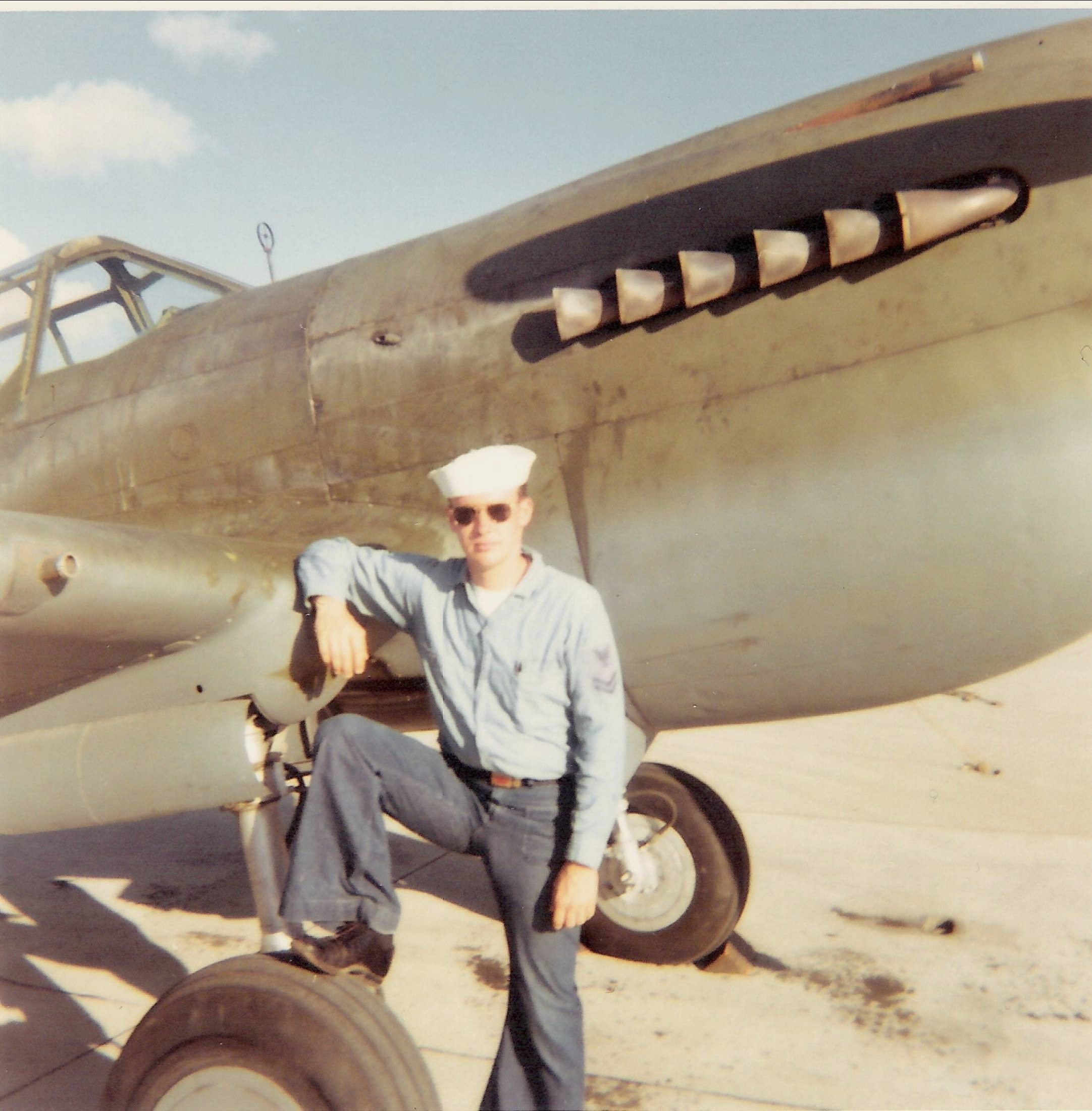
ATTACK SQUADRON VA-87 • U.S. Navy • 1969
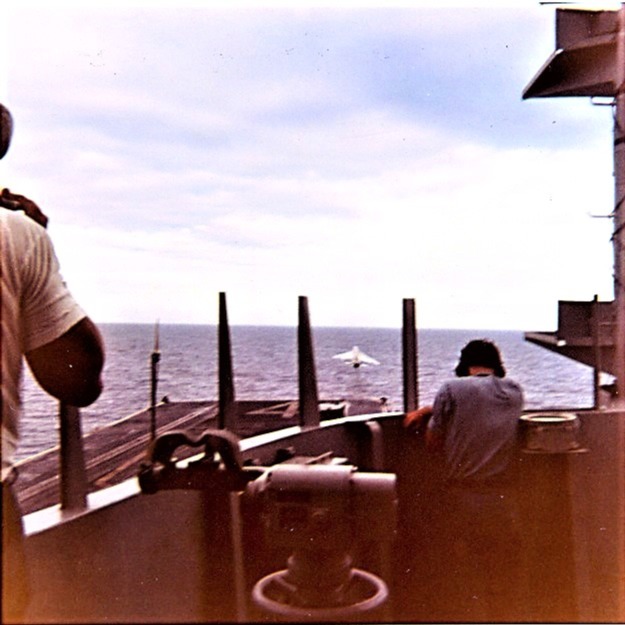
U.S. Navy • 1969
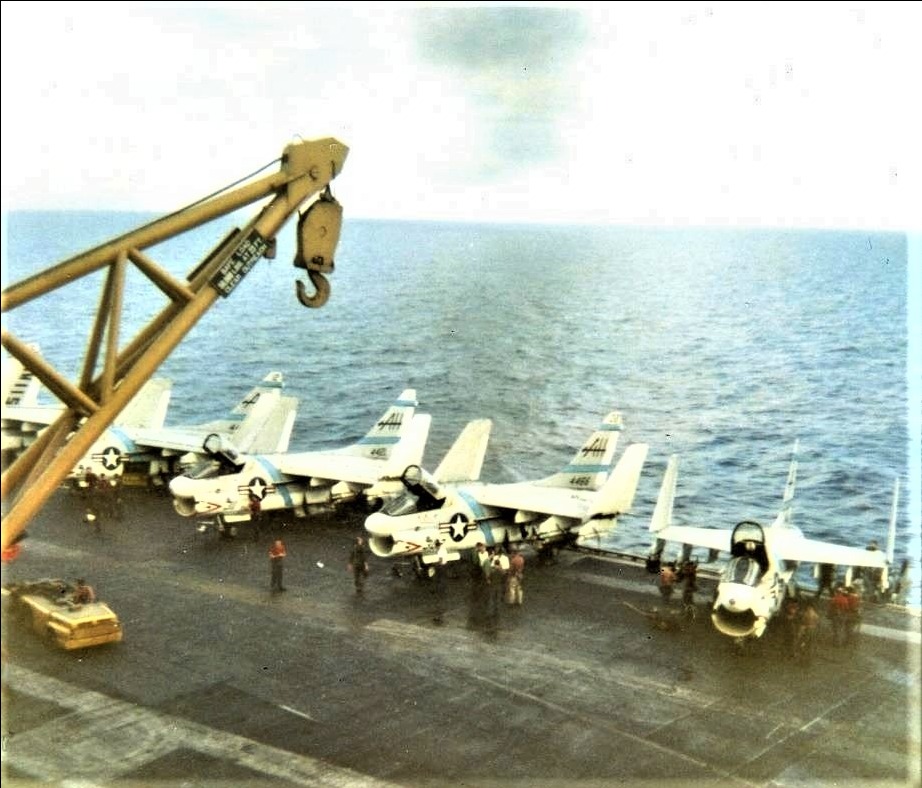
U.S. Navy • 1969
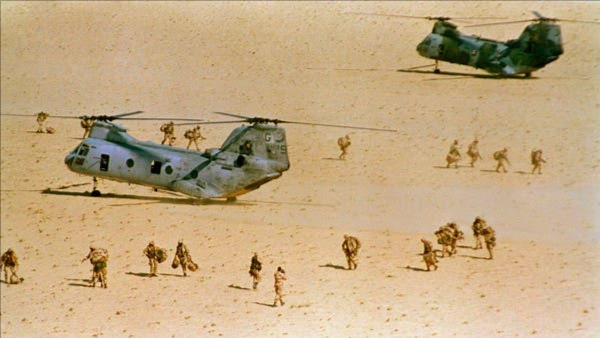
U.S. Navy