
Opening branch overview
Building the branch home surface
Loading branch highlights, featured unit context, and gallery moments.
Overview
Members
Units
Building the branch home surface
Loading branch highlights, featured unit context, and gallery moments.
Building the branch units surface
Loading unit filters, rankings, and the branch unit grid.

U.S. Navy•48 members
Relive and share the memories of your service-time with your brothers and sisters in arms today. VetFriends.com can help you reconnect.
Did you proudly serve in the great lakes?
Are you looking for someone who is or was in the great lakes?
Do you have great lakes photos you'd like to share?
Then join a community with your brothers and sisters of the great lakes.
The Great Lakes naval region has played a significant role in U.S. military history, particularly during the War of 1812, when both American and British forces vied for control over vital waterways. The establishment of Navy training facilities, most notably Naval Station Great Lakes in Illinois in 1911, marked the area as a crucial center for naval preparation and support. Throughout both World Wars, the station trained hundreds of thousands of sailors, contributing greatly to the U.S. Navy's operational strength. Today, Naval Station Great Lakes remains the Navy’s only boot camp, training all enlisted personnel and continuing its legacy as a backbone of naval readiness.
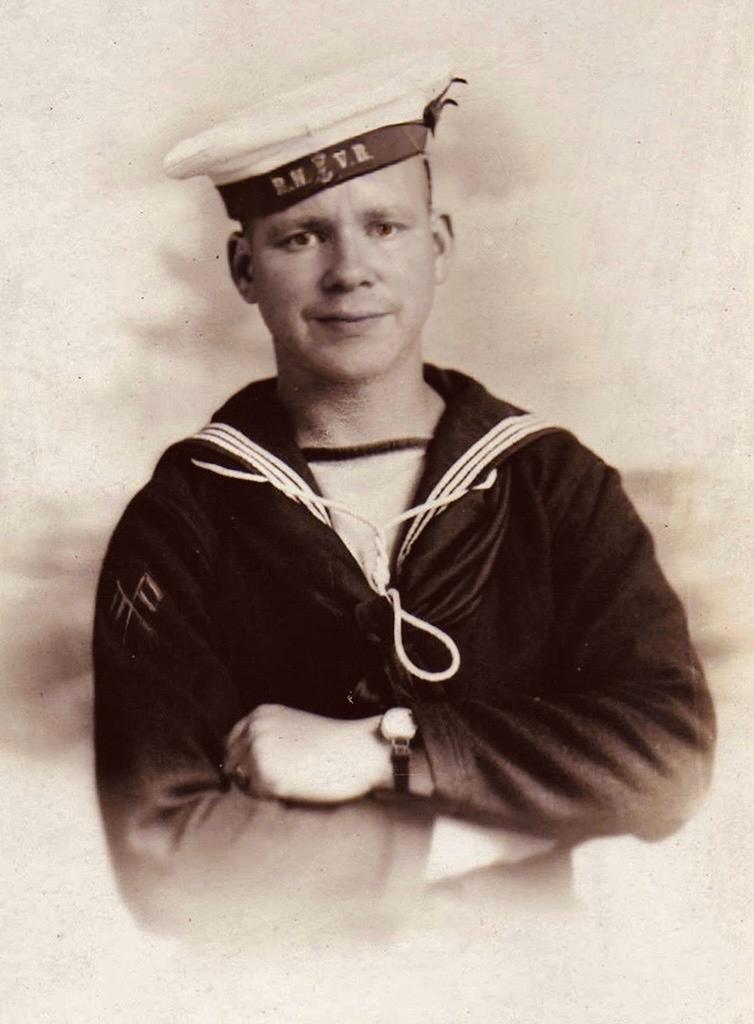
U.S. Navy